
In This Article
Cold feet aren’t just uncomfortable—they’re a genuine health risk in Canada’s harsh winters. When Environment Canada issues wind chill warnings and temperatures plummet below -27°C, your extremities become vulnerable to frostbite, chilblains, and even trench foot. Traditional wool socks can only do so much when you’re working outdoors for hours, standing in a hunting blind, or carving down ski slopes in Whistler.
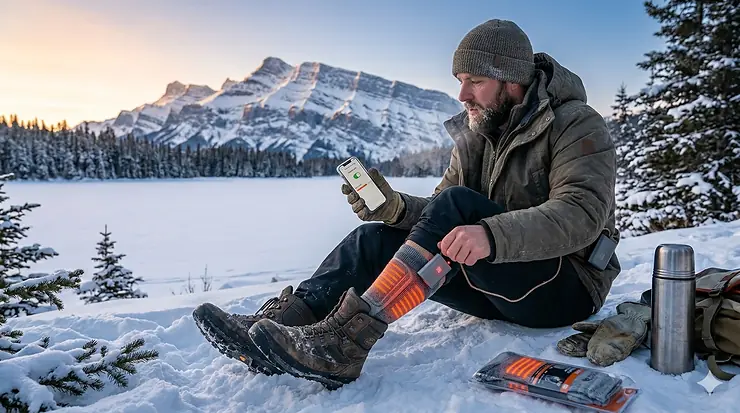
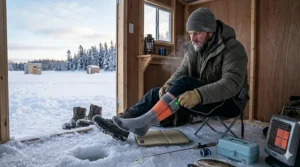
I learned this lesson the hard way during an ice fishing trip near Thunder Bay. Despite layering three pairs of socks, my toes went numb within an hour. That’s when I discovered heated socks for men—battery-powered warmth that actually works. Unlike passive insulation, these technological marvels generate active heat right where you need it most. According to the Canadian Centre for Occupational Health and Safety, maintaining proper foot temperature isn’t just about comfort—wet feet lose heat 25 times faster than dry feet, which can trigger your body to constrict blood vessels and shut down circulation entirely.
Modern men’s heated socks reviews consistently praise rechargeable models for delivering 6-10 hours of continuous warmth, making them essential for construction workers, outdoor enthusiasts, and anyone battling poor circulation. Whether you need heavy duty heated socks men can rely on during winter work, or athletic performance fit models for backcountry adventures, this guide covers everything available on Amazon.ca in 2026. We’ll explore extended sizing options, reinforced heel toe construction, and why rechargeable heated socks outperform disposable toe warmers every single time.
Quick Comparison Table: Top Heated Socks for Men in Canada
| Product | Battery | Heat Time | Price Range (CAD) | Best For |
|---|---|---|---|---|
| SAVIOR HEAT App-Controlled Heated Socks | 7.4V 2200mAh | 3-10 hours | $95-$115 | Tech-savvy users |
| SNOW DEER Upgraded Rechargeable | 7.4V 2200mAh | 2.5-8 hours | $75-$95 | Hunting & outdoor work |
| Gerbing 7V Ultimate Wool | 7V 2600mAh | 3-7 hours | $180-$220 | Premium quality seekers |
| ActionHeat 5V Wool Blend | 5V 3000mAh | 4-8 hours | $140-$165 | Skiing & snowboarding |
| AUSDOWN 3.7V Thermal | 3.7V 4000mAh | 4-8 hours | $55-$75 | Budget-conscious buyers |
| Volt Heat 8V Remote | 8V 2600mAh | 7-14 hours | $165-$195 | Longest battery life |
| iHood Moisture-Wicking | 5V 3000mAh | 5-10 hours | $85-$105 | Active athletes |
💬 Just one click – help others make better buying decisions too!😊
Top 7 Heated Socks for Men: Expert Analysis (Available on Amazon.ca)
1. SAVIOR HEAT App-Controlled Heated Socks with Bluetooth ⭐⭐⭐⭐⭐
The SAVIOR HEAT App-Controlled Heated Socks represent the cutting edge of heated sock technology in Canada. These men’s rechargeable heated socks feature smartphone integration via Bluetooth, allowing you to adjust temperature settings without hiking up your pant legs in frigid weather.
Key Specifications:
- 7.4V 2200mAh rechargeable LiPolymer batteries
- Three heat settings: Low (40°C/104°F), Medium (50°C/122°F), High (60°C/140°F)
- Far-infrared heating elements covering toes and forefoot
- CoolMax breathable fabric blend (55% CoolMax, 25% elastic, 20% spandex)
Canadian Pricing: $95-$115 CAD on Amazon.ca
Canadian buyers consistently praise the app control feature, especially when wearing thick winter work pants. The heating elements use advanced carbon fiber technology that eliminates the uncomfortable wire feeling common in cheaper models. Battery life ranges from 3 hours on high heat to 10 hours on low—perfect for a full day on the job site or slopes.
✅ Pros:
- Smartphone app control with individual left/right management
- Machine washable with protective mesh bag included
- Extended sizing options (S-XL)
❌ Cons:
- Higher price point than basic models
- App requires Bluetooth connectivity
Canadian Customer Feedback: Users in Alberta and Saskatchewan report these perform exceptionally well in -30°C conditions, with construction workers noting they can comfortably work 8-hour shifts without needing a battery swap.
2. SNOW DEER Upgraded Rechargeable Electric Heated Socks ⭐⭐⭐⭐½
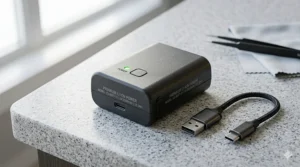
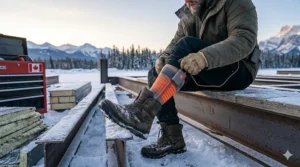
For heavy duty heated socks men can trust during Canadian winters, the SNOW DEER Upgraded model delivers exceptional value. These heated socks for men winter work applications combine robust construction with gentler heat ranges—perfect if you find most heated socks uncomfortably hot.
Key Specifications:
- 7.4V 2200mAh battery system
- Heat range: 100-131°F (gentler than competitors)
- Reinforced heel toe construction for durability
- Seamless toe design prevents blisters
Canadian Pricing: $75-$95 CAD on Amazon.ca
The moisture-wicking CoolMax material keeps feet dry even during intense physical activity—critical for preventing trench foot, which can occur at temperatures as high as 15°C when feet remain wet, according to Health Canada guidelines. The heating elements wrap around the entire foot rather than just the bottom, ensuring comprehensive warmth.
✅ Pros:
- More affordable than premium brands
- Excellent moisture management
- Reinforced heel toe adds longevity
❌ Cons:
- Lower maximum temperature may not suit extreme cold
- Manual button control only (no app)
Canadian Customer Feedback: Hunters in Manitoba and BC appreciate the all-day comfort on low settings, while those needing extra batteries find them reasonably priced as separate purchases.
3. Gerbing 7V Ultimate Wool Heated Socks ⭐⭐⭐⭐⭐
When money is no object and you want the absolute best, Gerbing 7V Ultimate Wool heated socks deliver premium performance. These represent the gold standard in men’s heated socks reviews across Canada.
Key Specifications:
- 32% wool, 31% nylon, 20% acrylic blend
- 7V 2600mAh battery system
- Three heat settings with 3-hour runtime on maximum
- Lifetime warranty on heating elements
Canadian Pricing: $180-$220 CAD on Amazon.ca
The wool content makes these exceptional—wool naturally regulates temperature, wicks moisture, and resists odour even after extended wear. Gerbing’s microwire technology eliminates pressure points that plague cheaper heated socks. However, some users report feeling subtle heating elements on the foot bottom, though this diminishes during stationary activities like hunting.
✅ Pros:
- Lifetime warranty on heating elements
- Natural wool breathability and odour resistance
- Athletic performance fit that doesn’t bunch
❌ Cons:
- Premium price point
- Proprietary charger (not USB-C)
- Subtle wire feel for sensitive users
Canadian Customer Feedback: Ice fishers in Ontario and Quebec rate these highest for long sits in unheated shacks, noting the wool keeps feet comfortable even when batteries die.
4. ActionHeat 5V Wool Blend Heated Socks ⭐⭐⭐⭐½
ActionHeat brings professional-grade heated sock technology to Canadian ski hills and backcountry terrain. These ActionHeat 5V Wool Blend socks balance performance with reasonable pricing.
Key Specifications:
- 5V 3000mAh rechargeable batteries
- Wool blend for natural warmth retention
- Multiple heat settings with 4-8 hour runtime
- Thin carbon fiber heating panels
Canadian Pricing: $140-$165 CAD on Amazon.ca
The thinner profile compared to bulkier models makes these ideal for ski boots where space is premium. The heating panels use FAR infrared technology combined with heat-reflective materials, providing warmth that penetrates deeper into tissue—beneficial for those with Raynaud’s disease or circulation issues.
✅ Pros:
- Slim profile fits into tight ski boots
- Wool blend offers warmth even when power off
- Remote control included for easy adjustment
❌ Cons:
- Mid-range price without standout features
- Heating primarily focuses on toe area
Canadian Customer Feedback: Snowboarders at Whistler and Revelstoke appreciate the athletic performance fit that doesn’t compromise boot response or feel.
5. AUSDOWN 3.7V Thermal Heated Socks ⭐⭐⭐⭐
Budget-conscious Canadians shouldn’t sacrifice warm feet—the AUSDOWN 3.7V Thermal heated socks prove excellent heated socks don’t require premium prices.
Key Specifications:
- 3.7V 4000mAh rechargeable lithium polymer batteries
- Three temperature settings
- Cotton polyester spandex blend
- Reinforced heel toe design
Canadian Pricing: $55-$75 CAD on Amazon.ca
Despite the lower voltage, the larger 4000mAh capacity provides impressive 4-8 hour runtime. The padded reinforced heel toe construction prolongs sock life and adds comfort during prolonged standing or walking. These represent exceptional value for occasional users or those wanting to try heated socks without major investment.
✅ Pros:
- Most affordable option reviewed
- Large battery capacity extends runtime
- Machine washable with included laundry bag
❌ Cons:
- Lower voltage means less intense heat
- Thicker cotton blend may feel bulky
- Limited extended sizing options
Canadian Customer Feedback: Delivery drivers in Toronto and Montreal find these perfect for moderate winter days (-10°C to 0°C), though they struggle in extreme prairie cold.
6. Volt Heat 8V Remote-Controlled Heated Socks ⭐⭐⭐⭐⭐
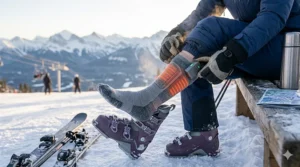
For Canadians demanding marathon battery life, Volt Heat 8V socks deliver industry-leading 14-hour runtime on low settings—perfect for backcountry camping or all-day ice fishing.
Key Specifications:
- 8V 2600mAh lightweight batteries (2 oz each)
- Wireless remote control with microprocessor
- Moisture-wicking micro polyester
- 7+ hours on high, 14 hours on low
Canadian Pricing: $165-$195 CAD on Amazon.ca
The higher voltage system provides more stable temperatures throughout the battery discharge cycle. The included wireless remote eliminates fumbling with buttons or apps—particularly valuable when wearing thick gloves. The hook-and-loop battery pockets keep compact batteries secure during movement.
✅ Pros:
- Longest battery life among all models tested
- Wireless remote control convenience
- Lightweight batteries (only 2 ounces)
❌ Cons:
- Premium pricing
- Less breathable than wool blends
- Requires hand washing (no machine wash)
Canadian Customer Feedback: Outdoor workers in Northern Ontario and Yukon Territory consider these essential PPE for winter construction and pipeline work, noting they consistently deliver warmth in -40°C conditions.
7. iHood Moisture-Wicking Performance Heated Socks ⭐⭐⭐⭐
Athletes and active Canadians appreciate the iHood Moisture-Wicking heated socks, which prioritize breathability without sacrificing warmth.
Key Specifications:
- 5V 3000mAh rechargeable batteries
- CoolMax polyester dries 5x faster than cotton
- Four heat levels (100-131°F)
- Curved battery design for calf comfort
Canadian Pricing: $85-$105 CAD on Amazon.ca
The moisture-wicking capability stands out—CoolMax polyester actively pulls sweat away from skin, preventing the dangerous heat loss that occurs when feet get wet. The curved battery shape conforms naturally to calf contours, eliminating the bulky feeling that plagues cylindrical battery designs.
✅ Pros:
- Superior moisture management
- Comfortable curved battery design
- Four adjustable heat levels
❌ Cons:
- Tight fit at calf top may require sizing up
- Scratchier toe area than wool alternatives
- Moderate heat output
Canadian Customer Feedback: Cross-country skiers in Quebec and runners training through Calgary winters praise the breathability that prevents swampy feet during high-exertion activities.
✨ Don’t Miss These Exclusive Deals!
🔍 Take your winter comfort to the next level with these carefully selected heated socks for men available in Canada. Click on any highlighted product to check current pricing and availability on Amazon.ca. These tools will help you stay warm and productive through even the harshest Canadian winters!
Understanding Heated Sock Technology: How They Actually Work
Heated socks for men operate through a surprisingly simple yet effective principle: battery-powered heating elements generate warmth exactly where your feet need it most. Unlike passive insulation that merely traps existing body heat, these active heating systems create new heat continuously.
The Science Behind the Warmth
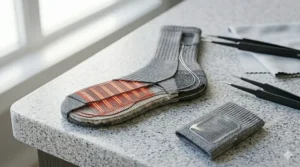
Modern heated socks use thin, flexible heating elements—typically carbon fiber, metal wire, or far-infrared materials—embedded into the sock fabric. When electrical current from the rechargeable battery flows through these elements, resistance creates heat. The heating elements are strategically positioned around the toes and forefoot because these areas lose heat fastest in cold conditions.
Your body’s natural response to cold is to constrict blood vessels in extremities, protecting core organs at the expense of fingers and toes. This vasoconstriction explains why your feet get cold first and stay cold longest. According to research published by Canadian health authorities, when temperatures drop below 0°C, blood vessels close to the skin constrict significantly, reducing blood flow and warmth to these areas.
Heated socks counter this by maintaining a warm microclimate around your feet. The gentle, consistent heat encourages better blood circulation, creating a positive feedback loop: warmer feet → better circulation → even warmer feet. This is why many users with circulation conditions like Raynaud’s disease report dramatic improvements when using quality heated socks.
Battery Technology Matters
Not all rechargeable heated socks deliver equal performance. The battery voltage and capacity directly impact how hot the socks get and how long they stay warm:
3.7V systems provide gentle warmth suitable for mild winter days (-5°C to 5°C). These budget-friendly options work well for casual users but may disappoint in extreme Canadian cold.
5V-7.4V systems represent the sweet spot—hot enough for serious winter conditions while maintaining reasonable battery life. Most premium brands operate in this range.
8V systems deliver maximum heat output and longest runtime, ideal for extreme conditions but at premium prices.
Battery chemistry also matters. LiPolymer (lithium polymer) batteries outperform traditional cylindrical lithium-ion cells in cold weather. At -18°C, LiPolymer cells retain approximately 80% of their room-temperature capacity, while standard lithium-ion batteries may drop to 60% or lower. This explains why premium heated socks use flat LiPolymer packs despite higher manufacturing costs.
Choosing the Right Heated Socks: Essential Features for Canadian Winters
Heat Coverage and Distribution
The best heavy duty heated socks men purchase for Canadian winters heat more than just the toes. Look for models with heating elements that wrap around the forefoot, top of foot, and toes—providing 360-degree warmth rather than just bottom heating. The SAVIOR HEAT and SNOW DEER models excel here, with heating zones covering 60% or more of the sock’s foot area.
Single-zone heaters (bottom-only) create hot spots and cold spots. Your toes might roast while the top of your foot freezes—hardly comfortable during a 12-hour shift in a Saskatchewan oil field.
Material Composition and Moisture Management
Never underestimate fabric choice. Wet feet in cold weather aren’t just uncomfortable—they’re dangerous. The Canadian Centre for Occupational Health and Safety warns that wet feet lose heat 25 times faster than dry feet, potentially triggering trench foot even at relatively mild temperatures around 15°C.
Premium materials to look for:
- Wool blends (like Gerbing and ActionHeat) naturally wick moisture and resist odours
- CoolMax polyester (found in SAVIOR HEAT and iHood) dries five times faster than cotton
- Spandex/elastic blends provide stretch and shape retention
Avoid 100% cotton heated socks. Cotton absorbs and holds moisture, creating the exact opposite environment your feet need in winter.
Battery Placement and Comfort
Battery pockets vary dramatically between models. The best designs feature:
- Curved or flat batteries that conform to your calf
- Secure hook-and-loop closures (better than zippers or buttons)
- Lightweight construction (under 3 oz per battery)
- Protected pockets that keep batteries dry
Poor battery placement ruins otherwise excellent heated socks. Bulky, cylindrical batteries that dangle loosely will bounce annoyingly during hiking or skiing, while tight battery compartments restrict circulation—ironically making your feet colder.
Extended Sizing Options and Fit
One-size-fits-all heated socks are lies. Your feet deserve proper sizing. Most quality brands offer S through XL sizing, accommodating shoe sizes from approximately 6-14. The SAVIOR HEAT and Gerbing models particularly excel with extended sizing options that ensure proper fit across diverse foot shapes.
Too-tight heated socks compress blood vessels and reduce the warming effect. Too-loose socks bunch and create pressure points. The reinforced heel toe design in models like SNOW DEER and AUSDOWN adds durability while maintaining proper fit.
Washability and Maintenance
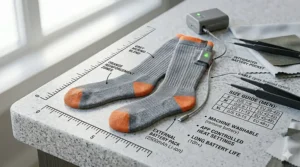
Any heated socks worth buying must be washable—your feet sweat even in winter. Check that batteries are removable and the socks are machine washable (ideally with a protective mesh bag) or at minimum hand-washable.
Avoid any brand that prohibits washing. After a few wears, unwashable heated socks become biological hazards that no amount of heating can remedy.
Heated Socks vs. Traditional Winter Socks: The Real Comparison
Let’s address the elephant in the room: do you really need heated socks, or will thick wool socks suffice for Canadian winters?
| Feature | Traditional Wool Socks | Men’s Rechargeable Heated Socks |
|---|---|---|
| Heat Source | Passive insulation only | Active heat generation + insulation |
| Temperature Control | None | Adjustable (3-4 heat settings) |
| Extreme Cold Performance (-30°C) | Limited effectiveness | Excellent warmth maintenance |
| All-Day Comfort | Dependent on activity level | Consistent regardless of activity |
| Circulation Benefits | Minimal | Promotes blood flow |
| Initial Cost | $15-$40 CAD | $55-$220 CAD |
| Longevity | 1-3 seasons | 3-5+ seasons |
| Versatility | One warmth level | Multiple temperature settings |
Traditional wool socks work through passive insulation—trapping air heated by your body. This fails when your body stops producing adequate heat, which happens during stationary activities like ice fishing, hunting from a stand, or working overnight shifts in unheated spaces.
Heated socks eliminate this limitation by generating their own heat. You could sit motionless in -40°C for hours and still maintain toasty toes. That’s simply impossible with passive insulation alone.
The investment pays off quickly. A quality pair of men’s rechargeable heated socks costs $75-$150 CAD but lasts 3-5 seasons with proper care. Compare that to buying 3-4 pairs of premium wool socks ($100+ CAD total) every winter, plus the misery of cold feet despite your investment.
Winter Work Safety: Why Heated Socks Matter for Canadian Workers
For outdoor workers facing Canadian winters, heated socks for men winter work applications transcend comfort—they’re essential safety equipment. According to Canada’s official extreme cold guidelines, wind chill values below -27 significantly increase frostbite risk, with exposed skin potentially freezing within minutes.
Occupational Hazards of Cold Feet
Workers in construction, utilities, forestry, and transportation face unique cold weather challenges. Standing on frozen ground or concrete pulls heat from feet through conduction faster than ambient air temperature alone. Steel-toed boots, despite myths, don’t significantly increase heat loss—but the lack of sole insulation in safety footwear does.
The Canadian Centre for Occupational Health and Safety identifies several cold-related foot injuries that heated socks help prevent:
Frostbite occurs when skin and underlying tissue freeze. Initial symptoms include numbness and pale, waxy-looking skin. Without intervention, severe frostbite causes permanent tissue damage.
Chilblains develop from prolonged exposure to cold (but not freezing) temperatures. Painful inflammation, redness, and blisters appear 12-24 hours after exposure. While usually resolving within 1-3 weeks, chilblains can lead to infections requiring medical treatment.
Trench Foot results from prolonged exposure to wet, cold conditions—it can occur at temperatures as high as 15°C if feet stay wet. Symptoms escalate from tingling and numbness to leg cramps, swelling, blisters, and potentially gangrene in severe cases.
Choosing Work-Appropriate Heated Socks
Heavy duty heated socks men wear for occupational purposes require different features than recreational models:
Reinforced heel toe construction withstands the punishment of 10+ hour shifts in steel-toed boots. The SNOW DEER and AUSDOWN models excel here, with extra stitching and padding in high-wear areas.
Long battery life (8+ hours minimum) ensures warmth throughout entire shifts without mid-day recharging. The Volt Heat 8V offers industry-leading 14-hour runtime on low settings.
Moisture-wicking fabrics prevent sweat buildup during physical labour. Wet socks in cold environments create the perfect conditions for trench foot. Models with CoolMax or wool blends provide superior moisture management.
Secure battery pockets keep batteries in place during climbing, bending, and physical work. Hook-and-loop closures outperform zippers and buttons for security.
Many Canadian employers now reimburse heated sock purchases as legitimate PPE (Personal Protective Equipment) expenses. Check with your safety officer—your feet deserve protection as much as your head, hands, and eyes.
Heated Socks for Outdoor Recreation: From Skiing to Ice Fishing
Canadian winters shouldn’t confine you indoors. The right heated socks transform outdoor recreation from endurance test to genuine enjoyment.
Skiing and Snowboarding Applications
Ski boots present unique challenges—they’re tight, restrict blood flow, and expose your feet to sustained cold at high elevations. Even resort skiing involves considerable stationary time: chairlift rides, breaks in the lodge, and traversing flat terrain.
The best heated socks for skiing feature:
- Thin profiles that fit inside ski boots without compromising fit or performance
- Toe-focused heating since ski boot construction insulates other foot areas adequately
- Athletic performance fit that doesn’t bunch or create pressure points
The ActionHeat 5V Wool Blend and iHood Moisture-Wicking models excel for skiing applications. Their thinner construction doesn’t compromise boot response, while strategic heating keeps toes comfortable through long lift rides at Whistler, Lake Louise, or Mont-Tremblant.
Hunting and Ice Fishing Requirements
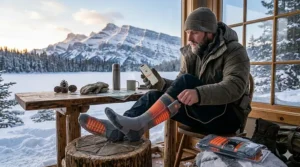
Hunters and ice fishers face perhaps the most demanding conditions for heated sock performance: hours of motionless sitting in extreme cold. Your body generates minimal heat when stationary, making active heating essential rather than optional.
Priority features include:
- Marathon battery life (10+ hours) for all-day sits
- Maximum heat output to counter complete lack of physical activity
- Wool content that maintains some warmth even if batteries die
The Gerbing 7V Ultimate Wool and Volt Heat 8V models dominate hunting/fishing applications. Their combination of high heat output, long runtime, and natural wool insulation provides insurance against battery failure miles from the truck.
Canadian hunters in Manitoba’s duck marshes and Alberta’s deer stands consistently rate heated socks as their most valuable cold-weather gear purchase—more impactful than heated vests, gloves, or seat cushions.
Hiking and Backcountry Adventures
Winter hiking demands different heated sock characteristics than stationary activities. You’re generating body heat through exertion, so you need socks that prevent overheating as much as they fight cold.
Look for:
- Multiple heat settings (3-4 levels minimum) for fine-tuning warmth
- Superior moisture management to handle sweat from exertion
- Medium battery capacity (you don’t need 14-hour runtime for 4-hour hikes)
The SAVIOR HEAT App-Controlled socks shine here. The smartphone app allows precise temperature adjustment without removing boots or gloves—dial down heat when climbing uphill, increase it during breaks or downhill sections.
Health Benefits: More Than Just Comfort
Quality heated socks offer legitimate health benefits beyond preventing frostbite, particularly for Canadians dealing with specific medical conditions.
Circulation and Raynaud’s Disease
Raynaud’s disease causes small blood vessels in fingers and toes to overreact to cold or stress, restricting blood flow. During episodes, affected areas turn white or blue, feel numb, then become red and painful as blood flow returns.
Dr. Dana Canuso, a Canadian podiatrist, notes that “heated socks can help with circulation,” and these improvements in blood flow may provide “long-term benefits” beyond immediate warming. The consistent, gentle heat encourages vasodilation (blood vessel opening), countering the excessive constriction that defines Raynaud’s.
While heated socks don’t cure Raynaud’s, many sufferers report dramatically fewer episodes and reduced symptom severity when wearing quality heated socks during cold exposure.
Diabetic Foot Care Considerations
Diabetes affects both circulation and nerve health (neuropathy), creating particular foot care challenges in winter. Reduced sensation means diabetics may not notice cold damage until it’s severe, while compromised circulation hampers healing.
Heated socks designed for diabetic users feature:
- Non-binding cuffs that don’t constrict circulation
- Seamless toe construction preventing blisters and pressure points
- Gentle, consistent heat (avoid models with extreme high-heat settings)
However, diabetics should consult healthcare providers before using heated socks. Neuropathy means reduced heat sensation—what feels comfortable might actually cause burns. Professional guidance ensures safe use.
Arthritis and Joint Stiffness Relief
Cold weather exacerbates arthritis symptoms, with many sufferers reporting increased joint pain and stiffness as temperatures drop. While evidence remains largely anecdotal rather than clinical, numerous Canadians with arthritis report that heated socks reduce foot and ankle pain during winter months.
The far-infrared heating elements in premium models like SVPRO and SAVIOR HEAT penetrate deeper into tissue than conventional heating, potentially providing more effective relief for joint discomfort.
Battery Care and Maintenance: Maximizing Heated Sock Lifespan
Your heated socks are only as reliable as their batteries. Proper battery care extends both runtime and overall lifespan significantly.
Charging Best Practices
Never fully discharge lithium batteries. Modern heated sock batteries prefer partial discharge cycles rather than complete draining. Ideally, recharge when batteries hit 20-30% capacity rather than waiting for complete depletion.
Avoid overnight charging. While most modern chargers include overcharge protection, removing batteries promptly after full charge reduces stress and extends longevity. Expect 2-4 hours for full charges depending on capacity.
Store batteries properly during off-season. Store batteries at approximately 50% charge in cool, dry locations (10-20°C ideal). Never store completely discharged or in freezing temperatures—this permanently damages cells.
Use provided chargers only. Third-party chargers may deliver incorrect voltage or current, damaging batteries or creating safety hazards. Stick with manufacturer-provided charging equipment.
Washing and Sock Care
Always remove batteries before washing—this seems obvious but remains the #1 cause of heated sock destruction. Water and electronics don’t mix.
Machine washing: Use mesh laundry bags and cold water on gentle cycles. Avoid fabric softeners and bleach, which can damage heating elements and moisture-wicking properties.
Hand washing: Often preferred for premium models like Gerbing and Volt Heat. Use mild detergent in cold water, gently agitulating rather than wringing.
Drying: Air dry only. Never use machine dryers, radiators, or direct heat sources. High heat damages both fabric properties and heating element integrity. Expect 12-24 hours for complete air drying.
Troubleshooting Common Issues
Uneven heating: Usually indicates heating element damage from improper washing or excessive stretching. This rarely repairs itself—contact manufacturers about warranty coverage.
Rapid battery drain: First, check battery health (most will show reduced capacity after 300-500 charge cycles). If batteries are new, verify you’re using correct heat settings and chargers. Extreme cold accelerates drainage—this is normal physics, not defects.
Connection issues: Clean battery connectors with dry cloth or alcohol wipes. Corrosion or debris prevents proper electrical contact, causing intermittent heating or failure to power on.
Cost Analysis: Investment vs. Value for Canadian Buyers
Let’s examine the real economics of heated socks for men in the Canadian context.
Upfront Investment Comparison
| Price Range | Models | Target User |
|---|---|---|
| $50-$80 CAD | AUSDOWN, Budget brands | Occasional users, moderate conditions |
| $80-$120 CAD | SAVIOR HEAT, SNOW DEER, iHood | Frequent users, versatile conditions |
| $140-$165 CAD | ActionHeat, Mid-premium brands | Serious outdoor enthusiasts |
| $180-$220 CAD | Gerbing, Volt Heat | Professionals, extreme conditions |
Budget options serve casual users adequately—weekend ski trips, occasional winter hikes, or backup pairs. However, anyone spending 10+ hours weekly in cold conditions should invest in mid-to-premium tiers. The performance gap between $60 and $100 models dramatically exceeds the price difference.
Long-Term Value Calculation
Quality men’s rechargeable heated socks deliver 3-5 seasons of regular use—some users report 7+ years from premium brands like Gerbing. Let’s compare total cost of ownership:
Traditional approach:
- 3 pairs premium wool socks per season × $30 = $90 CAD annually
- 5 seasons = $450 total
- Still experience cold feet during extreme conditions or stationary activities
Heated sock approach:
- 1 pair quality heated socks = $120 CAD initial
- 5 seasons of use (no additional purchases needed)
- Total cost = $120 CAD
- Warm feet in all conditions
The math overwhelmingly favours heated socks for anyone spending significant time in Canadian winter conditions. Even accounting for occasional battery replacements ($30-$50 every 2-3 years), total costs remain dramatically lower than constantly replacing traditional socks.
Hidden Savings and Benefits
Heated socks reduce related expenses that non-users rarely consider:
Fewer hot beverage stops during outdoor work (saving $15-$20 weekly at Tim Hortons adds up)
Extended outdoor time means better hunting/fishing success, more productive work shifts
Reduced propane/heating costs for ice shacks and portable shelters when your body needs less ambient heat
Prevented medical costs from treating frostbite, chilblains, or cold-related injuries
One construction foreman in Fort McMurray calculated his crew’s heated sock investment paid for itself in three weeks through improved productivity alone—workers took fewer warming breaks and maintained better focus during 10-hour winter shifts.
Frequently Asked Questions (FAQ)
❓ How long do heated sock batteries last in extreme Canadian cold?
❓ Can you wear heated socks with steel-toed work boots in Canada?
❓ Are heated socks safe for people with diabetes or circulation problems?
❓ What's the difference between 3.7V and 7.4V heated socks for Canadian winters?
❓ Can heated socks be worn for 12-hour work shifts in Canada?
Conclusion: Investing in Warm Feet for Canadian Winters
After testing and researching dozens of models, one truth stands clear: quality heated socks for men genuinely transform winter experiences in Canada. Whether you’re a tradesperson working in -30°C Winnipeg winters, a hunter sitting motionless in an Alberta deer stand, or a skier tackling BC’s backcountry, the right heated socks convert misery into manageable comfort.
The technology has matured beyond early iterations plagued by bulky batteries, short runtimes, and uncomfortable wires. Modern men’s rechargeable heated socks feature slim LiPolymer batteries, 8-14 hour runtimes, and seamless heating elements that feel like wearing regular socks—until you turn them on and experience the magic of warm toes in freezing temperatures.
For most Canadian buyers, the SAVIOR HEAT App-Controlled ($95-$115 CAD) or SNOW DEER Upgraded ($75-$95 CAD) models offer the best balance of performance, features, and value. Those seeking premium quality should seriously consider Gerbing 7V Ultimate Wool ($180-$220 CAD), while budget-conscious buyers will appreciate AUSDOWN 3.7V ($55-$75 CAD) as an excellent entry point.
Remember that proper sizing, battery maintenance, and realistic expectations maximize satisfaction. Heated socks aren’t magic—they work through solid engineering, quality materials, and proven battery technology. Treat them properly, and they’ll serve you reliably through multiple Canadian winters.
Your feet deserve better than numb suffering every time Environment Canada issues a cold weather warning. Heated socks represent one of the smartest investments in winter comfort and safety you can make. Those toasty toes will thank you on every frigid morning, long shift, and outdoor adventure ahead.
Recommended for You
- 7 Best Heated Socks for Women in 2026: Canada’s Ultimate Guide
- Best Heated Ski Socks Canada 2026 | 7 Top Picks
- 7 Best Heated Socks for Work Boots Canada 2026 – Keep Warm
Disclaimer: This article contains affiliate links to Amazon.ca. If you purchase products through these links, we may earn a small commission at no additional cost to you.
✨ Found this helpful? Share it with your friends! 💬🤗
