
In This Article
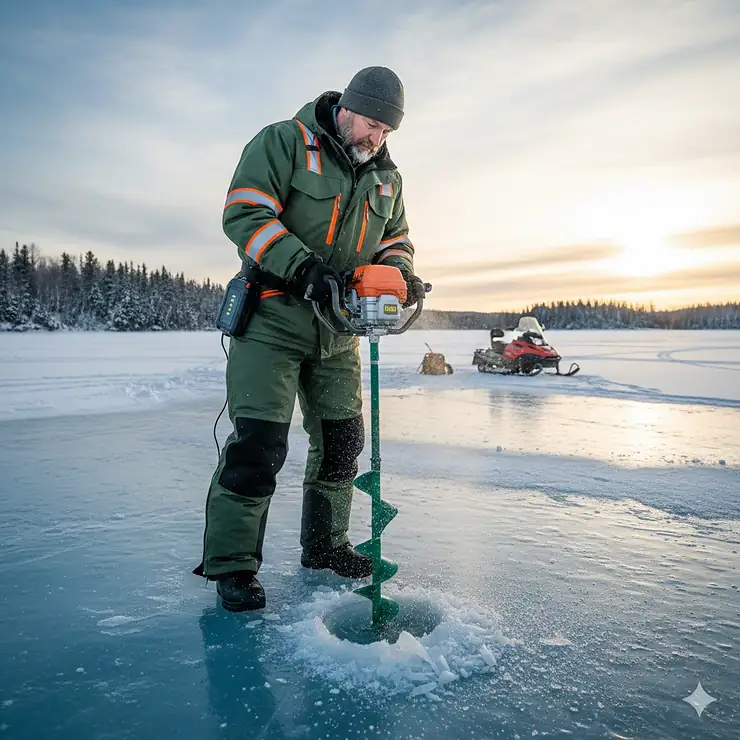
Picture this: you’re sitting on a frozen lake in northern Ontario at -25°C, waiting for that trophy walleye to bite. Your upper body is toasty warm, but your legs feel like they belong in a cryogenic chamber. Sound familiar?
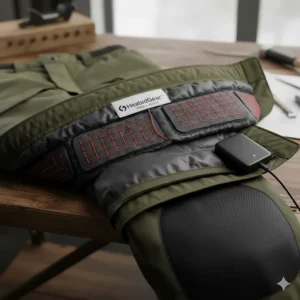
Traditional insulated bibs work well for brief outings, but when you’re spending 6-8 hours on the ice—which is standard for serious Canadian ice anglers—passive insulation often isn’t enough. This is where heated pants for ice fishing guide technology becomes essential.
The landscape of heated ice fishing gear has evolved dramatically since 2020. Battery-powered heating elements, once bulky and unreliable, now integrate seamlessly into waterproof bibs designed specifically for hardwater fishing. Canadian anglers fishing Lake Simcoe, Lake of the Woods, or the prairies of Manitoba no longer need to choose between warmth and mobility.
According to the Ontario Ministry of Natural Resources, ice fishing is one of the province’s most popular winter activities, with thousands of anglers braving subzero temperatures every season. Having the right heated gear isn’t just about comfort—it’s about safety, extending your fishing time, and actually enjoying those long hours waiting for a bite.
In this comprehensive heated ice fishing gear buying guide, I’ll break down everything you need to know about selecting heated pants, from battery runtime considerations to waterproof ratings suitable for Canadian conditions. Whether you’re fishing prairie lakes in Saskatchewan or tackling ice thickness on Georgian Bay, you’ll find options that keep you warm without breaking the bank.
Quick Comparison Table: Top Heated Pants for Ice Fishing
| Product | Heating Type | Battery Runtime | Waterproof Rating | Price (CAD) |
|---|---|---|---|---|
| NORFIN Evolution FLT Heat Bibs | Battery-powered zones | 4-6 hours | 10,000mm | $450-550 |
| TideWe Heated Fishing Bibs | Built-in 10,000mAh | 5-8 hours | 5,000mm | $220-280 |
| Milwaukee M12 Heated Gear | M12 battery system | 6-8 hours (high) | N/A (layering system) | $200-350 |
| Striker Ice Apex Bibs | HeatMap passive tech | N/A (ceramic) | 10,000mm | $550-700 |
| Bassdash Splice Insulated Bibs | Traditional insulation | N/A | 5,000mm | $140-180 |
| Simms Challenger Insulated Bib | Traditional PrimaLoft | N/A | 2-layer waterproof | $500-600 |
| AFTCO Hydronaut Insulated Bibs | 140gsm synthetic fill | N/A | 30,000mm | $380-450 |
💬 Just one click – help others make better buying decisions too!😊
Top 7 Heated Pants for Ice Fishing: Expert Analysis
1. NORFIN Evolution FLT Heat Bibs – Best Overall Heated Bibs
The NORFIN Evolution FLT Heat Bibs represent the cutting edge of heated ice fishing pants battery runtime for fishing technology. These Finnish-designed bibs feature integrated heating elements in strategic zones plus FLT (Flotation) Light insulation for safety.
Key Specifications:
- Heating System: Adjustable NORFIN HEAT System with multiple zones
- Temperature Rating: Down to -25°F (-32°C)
- Waterproof Rating: 10,000mm with sealed seams
Why Canadian Anglers Love Them: The adjustable heat zones let you customize warmth based on activity level—crank it up when sitting still, dial it down when drilling holes or moving between spots. The flotation feature is crucial for early and late-season ice fishing when thickness can be questionable.
Battery Considerations: Requires separate power bank (not included). Most users opt for 10,000-20,000mAh batteries providing 4-6 hours of continuous heat. Ships to Canada through specialty outdoor retailers.
✅ Pros:
- European build quality with attention to detail
- Flotation safety feature
- Adjustable heat for activity-based comfort
❌ Cons:
- Battery sold separately adds to total cost
- Limited availability in Canada—may require online ordering
Canadian Price Range: $450-550 CAD (excluding battery)
2. TideWe Heated Fishing Bibs – Best Value with Included Battery
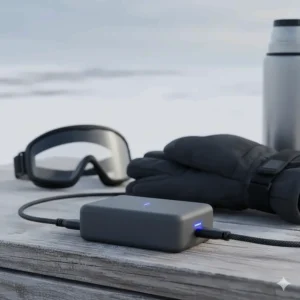
For budget-conscious anglers who don’t want to compromise on warmth, the TideWe Heated Fishing Bibs deliver exceptional value. These bibs come with a 10,000mAh battery pack that’s UL, FCC, and RoHS certified for safety.
Key Specifications:
- Heating System: Built-in heating elements with 3 temperature settings
- Insulation: 140g synthetic fill plus heated zones
- Safety Features: Auto-shutoff at 55°C (131°F)
What to Look for in Heated Fishing Bibs: The TideWe addresses this question perfectly by including everything you need in one package. The heating elements target your core and lower back—areas where cold penetrates fastest when sitting on ice.
Battery Runtime: 5-8 hours depending on heat setting (high/medium/low). The included battery is removable for washing and can be swapped mid-day for extended trips.
✅ Pros:
- Complete system with battery included
- Silent magnetic pockets reduce noise
- Full front and leg zippers for easy on/off
❌ Cons:
- 5,000mm waterproofing adequate but not premium
- Slightly bulkier than high-end options
Canadian Price Range: $220-280 CAD on Amazon.ca
3. Milwaukee M12 Heated Gear System – Most Versatile for Year-Round Use
While not specifically ice fishing bibs, the Milwaukee M12 Heated Gear base layers have become wildly popular among Canadian hardwater anglers. This system uses proven M12 REDLITHIUM batteries and can be worn under your existing bibs.
Key Specifications:
- Heating Technology: HEXON Heat Technology with faster warmup
- Battery: M12 system (multiple capacity options)
- Coverage: Heated base layers or heated hoodie
Why It Works for Ice Fishing: The layering approach means you’re not locked into one heated bib. Wear the heated base under different bibs based on conditions, or use the same heated gear for snowmobiling, hunting, or winter construction work. Very popular among Canadian trades workers who ice fish weekends.
Heated Pants Battery Runtime for Fishing: With a 3.0Ah M12 battery, expect 6-8 hours on medium heat. The 6.0Ah extended battery can run 10+ hours, perfect for all-day tournaments on Lake Winnipeg or Lac Saint-Jean.
✅ Pros:
- Bi-directional USB-C charging
- App control for heat zones via Bluetooth
- Cross-compatible with Milwaukee tool batteries
❌ Cons:
- Batteries expensive if buying from scratch ($80-120 CAD each)
- Must be layered under waterproof outer shell
Canadian Price Range: $200-350 CAD (depending on configuration)
4. Striker Ice Apex Bibs – Premium Choice with HeatMap Technology
The Striker Ice Apex Bibs take a different approach to warmth with their proprietary HeatMap technology—ceramic patterns fused into the lining that conduct and retain body heat without batteries.
Key Specifications:
- Insulation: 80g PrimaLoft Gold with Cross Core Aerogel
- Waterproof Rating: Hydrapore Pro 10,000mm/5,000g breathability
- Safety: 150g Sureflote flotation assist
Why the Investment Makes Sense: While not battery-heated, the Apex bibs use NASA-developed Aerogel insulation that’s 95% air, creating incredible thermal barriers at minimal weight. The HeatMap ceramic lining reflects and amplifies your body heat—Canadian testers report staying warm in -30°C Manitoba conditions without feeling bulky.
Durability for Canadian Conditions: SuperFabric reinforced knees handle abuse from kneeling on lake ice, gravel boat ramps, and sharp ice edges. These are built for the long haul—many Canadian guides report 5+ seasons of heavy use.
✅ Pros:
- No batteries to charge or replace
- Lightest bibs in their warmth category
- Flotation rated for 2+ hours in water
❌ Cons:
- Premium pricing at $550-700 CAD
- Not actively heated—relies on insulation and heat retention
Canadian Price Range: $550-700 CAD at specialty retailers
5. Bassdash Splice Insulated Bibs – Best Budget Traditional Option
Not everyone needs battery-powered heat. The Bassdash Splice Insulated Bibs prove that quality traditional insulation can keep you comfortable for reasonable prices, especially for southern Ontario or BC coastal ice fishing where temps rarely drop below -15°C.
Key Specifications:
- Insulation: 3M Thinsulate (100g legs, 80g body)
- Waterproof Rating: 5,000mm H2O
- Construction: Ripstop outer with fully taped seams
Temperature Range: The 80-100g Thinsulate combo is rated for temperatures down to around -7°C (20°F) when layered properly. Perfect for mild Canadian winters or as shoulder-season gear.
Value Proposition: At $140-180 CAD, these bibs cost less than many heated base layers alone. They’re a smart choice for casual anglers or as backup bibs when your primary heated gear is charging.
✅ Pros:
- Affordable entry point for quality ice bibs
- 3M Thinsulate used under license in Canada
- Seven-pocket design for tackle organization
❌ Cons:
- Not suitable for extreme cold without layering
- Lower waterproof rating than premium options
Canadian Price Range: $140-180 CAD
6. Simms Challenger Insulated Bib – Premium Traditional Insulation
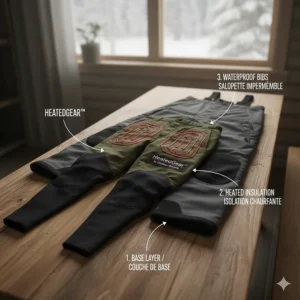
The Simms Challenger Insulated Bib brings fly-fishing quality to ice fishing. While lacking active heating, the 2-layer Toray waterproof fabric and strategic PrimaLoft placement make these bibs punching above their 100g insulation weight class.
Key Specifications:
- Insulation: 100g PrimaLoft in legs, 80g in torso
- Fabric: 2-layer Toray waterproof/breathable
- Reinforcement: High-abrasion Oxford nylon seat and knees
Canadian Winter Performance: Testers report excellent performance in -10°C to -20°C range when paired with quality base layers. The lightweight design prevents overheating during active periods—drilling multiple holes, pulling sleds, or hiking to remote spots.
Waterproof Rating for Ice Fishing Pants: While Simms doesn’t publish specific mm ratings, the 2-layer Toray fabric is proven in commercial fishing applications. Fully taped seams prevent moisture intrusion even when kneeling in slush.
✅ Pros:
- Proven durability from trusted brand
- Excellent mobility for active fishing
- High-back design with adjustable suspenders
❌ Cons:
- Premium price without heating elements
- Limited cold-weather range without supplements
Canadian Price Range: $500-600 CAD
7. AFTCO Hydronaut Insulated Bibs – Extreme Waterproofing
The AFTCO Hydronaut Insulated Bibs feature an astounding 30,000mm waterproof rating—overkill for most ice fishing but appreciated when dealing with wet spring ice or fishing in mixed rain/snow conditions common in coastal BC.
Key Specifications:
- Waterproof Rating: 30,000mm (highest on this list)
- Insulation: 140gsm synthetic fill batting
- Construction: 2-layer 100% nylon shell with polyester lining
When Extra Waterproofing Matters: Late-season ice fishing often means dealing with surface water, slush, and wet conditions. The Hydronaut’s extreme waterproofing keeps you bone-dry when lesser bibs would soak through. Canadian anglers fishing Great Lakes tributaries or coastal areas particularly appreciate this feature.
Comfort Features: ComfortFlex mesh back panel and wider shoulder straps distribute weight evenly—important when carrying heavy ice augers or pulling loaded sleds across the ice.
✅ Pros:
- Highest waterproof rating available
- Cordura reinforcement in high-wear areas
- Adjustable Velcro shoulders for custom fit
❌ Cons:
- Heavier than ultra-light modern alternatives
- Insulation alone may not suffice for extreme cold
Canadian Price Range: $380-450 CAD
Understanding Heated Pants vs Heated Suit Ice Fishing Options
One of the biggest decisions facing Canadian ice anglers is whether to invest in heated pants only, a full heated suit, or take a modular approach with heated base layers.
Heated Pants Advantages
Flexibility: Pair heated bibs with different jackets based on activity level and temperature. Active anglers who drill many holes and move between spots often need less upper body insulation.
Cost: Quality heated bibs typically cost $220-550 CAD versus $600-900 CAD for complete heated suits. You can start with heated pants and add a heated jacket later if needed.
Compatibility: Heated pants work with your existing jackets, hoodies, and shells. This modular approach spreads costs over multiple seasons.
Full Heated Suit Benefits
Maximum Warmth: Complete coverage ensures no cold gaps. The NORFIN Element 2 Flotation suit, for example, provides heated zones in both jacket and bibs for all-around warmth.
Coordinated Systems: Matched bibs and jackets from the same manufacturer ensure compatible battery systems, consistent waterproofing, and unified styling.
Simplified Purchasing: One decision instead of two separate purchases. Premium suits like the Striker Apex system are designed to work together seamlessly.
The Layering Approach
Many Canadian anglers have adopted the Milwaukee M12 heated base layer strategy—heated vest and heated pants worn under non-heated waterproof shells. This approach offers ultimate flexibility but requires more careful layering.
According to winter clothing research, proper layering creates dead air spaces that trap heat while allowing moisture to escape. Heated base layers work within this system, providing targeted warmth where passive insulation falls short.
What to Look for in Heated Fishing Bibs: Complete Buying Guide
Battery Capacity and Runtime
Understanding mAh Ratings: Battery capacity is measured in milliamp hours (mAh). A 10,000mAh battery stores twice the energy of a 5,000mAh battery, theoretically doubling runtime.
Real-World Runtime Factors:
- Heat Setting: High heat drains batteries 2-3x faster than low
- Temperature: Batteries lose 20-40% capacity in extreme cold
- Battery Age: Lithium-ion batteries degrade 10-20% annually
Canadian Ice Fishing Considerations: For full-day fishing (8+ hours), plan for:
- 10,000mAh minimum for medium heat all day
- 20,000mAh for high heat or very cold conditions (-25°C+)
- Spare batteries if fishing remote locations
Waterproof Rating for Ice Fishing Pants: What You Actually Need
Decoding mm Ratings: Waterproof ratings measure how much water pressure fabric withstands before leaking. The rating represents a column of water in millimeters—10,000mm means the fabric holds back a 10-meter water column.
According to Industry Standards:
| Rating | Protection Level | Best For |
|---|---|---|
| <5,000mm | Water-resistant | Dry conditions only |
| 5,000-10,000mm | Waterproof | Light rain, dry snow |
| 10,000-15,000mm | Highly waterproof | Heavy rain, wet snow |
| 15,000mm+ | Extreme waterproof | Prolonged exposure, spring ice |
Ice Fishing Requirements: Most Canadian ice anglers need minimum 5,000mm, preferably 10,000mm. Why?
- Pressure Points: Sitting and kneeling increases water pressure on fabric
- Duration: 6-8 hour trips expose more weak points
- Wet Ice Conditions: Spring ice and mild days create slush
The Government of Canada’s ice fishing safety guidelines emphasize proper equipment, including waterproof clothing that maintains effectiveness throughout the day.
Breathability Matters Too
Waterproofing alone creates a plastic bag effect—sweat accumulates, you get clammy, and eventually cold. Breathability ratings (measured in g/m²/24hr) indicate how much moisture vapor escapes.
Minimum Standards:
- 5,000g: Basic breathability for low activity
- 10,000g: Moderate activity (hiking to spots, drilling holes)
- 15,000g+: High exertion (tournament fishing, constant movement)
Insulation Types and Temperature Ratings
Synthetic vs. Down:
- Synthetic (PrimaLoft, Thinsulate, Thermadex): Retains warmth when wet, dries quickly, more affordable
- Down: Superior warmth-to-weight but useless if soaked—not recommended for ice fishing
Common Insulation Weights:
- 60-80g: Mild conditions (-5°C to 5°C) with activity
- 100-140g: Moderate cold (-15°C to -5°C)
- 150g+: Extreme cold below -15°C or sedentary fishing
Advanced Technologies:
- Aerogel (Striker Apex): NASA-developed, 95% air, incredible warmth at low weight
- Heated Elements: Supplemental warmth where insulation alone fails
Safety Features for Canadian Ice
Flotation Assist: Not all bibs float, but those with Sureflote, FLT, or similar technologies can keep you at the surface if you break through. The Ontario ice fishing regulations recommend flotation gear, especially early and late season.
Reflective Elements: For anglers who travel by snowmobile or ATV in low light conditions, reflective strips increase visibility.
Ice Cleats Compatibility: Some bibs have reinforced cuffs designed to accommodate ice fishing cleats—crucial for walking on slick ice.
Durability and Construction
Key Areas to Inspect:
- Reinforced Knees: 1680D fabric or SuperFabric for kneeling durability
- Sealed Seams: Fully taped prevents leaks at stitching
- YKK Zippers: Higher quality, less prone to freezing or failure
- Ankle Gaiters: Keep snow and slush out of boots
Warmest Heated Bibs for Ice Fishing: Temperature Ratings Explained
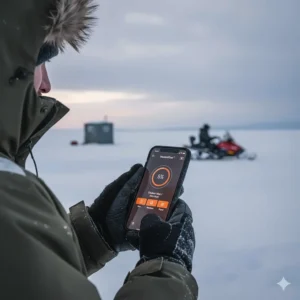
Not all “heated” bibs are created equal. Some use passive heat retention technologies while others employ active battery-powered heating elements.
Active Heating Systems
Direct Element Heating (NORFIN, TideWe):
- Flexible heating wires embedded in fabric
- Reaches temperatures up to 55-60°C (131-140°F)
- Best for extreme cold (-25°C and below)
- Requires battery power
USB-Powered Systems (Milwaukee M12):
- Standardized USB connections
- Compatible with power banks
- App-controlled zones
- 40x more heat coverage than older models (HEXON technology)
Passive Heating Technologies
HeatMap Ceramic (Striker):
- Ceramic patterns woven into lining
- Conducts and reflects body heat
- No batteries required
- Works indefinitely without power
Aerogel Insulation:
- Originally developed for Mars rovers
- 95% air structure
- Blocks heat transfer while remaining lightweight
- Found in premium bibs like Striker Apex
Temperature Rating Reality Check
Manufacturer temperature ratings are guidelines, not guarantees. Your personal warmth depends on:
Body Factors:
- Metabolism: Some people run naturally warmer
- Activity Level: Sitting still vs. active fishing
- Hydration: Dehydration reduces circulation
- Nutrition: Calories generate body heat
Environmental Factors:
- Wind Chill: -15°C feels like -30°C in 40km/h winds
- Humidity: Damp cold penetrates faster than dry cold
- Duration: Hour 1 vs. hour 8 makes a huge difference
Canadian Perspective: An experienced ice angler from Fort Frances, Ontario reports staying comfortable in -35°C with the NORFIN heated bibs on high, while the same setup might be overkill at -10°C, causing overheating and sweat buildup.
Battery-Powered vs. Traditional Insulated Bibs
When Battery Power Makes Sense
Extreme Cold Specialists: If you regularly fish in temperatures below -20°C, battery-heated bibs provide warmth impossible to achieve with passive insulation alone.
All-Day Sit-Down Fishing: Tournament anglers or those targeting finicky species requiring minimal movement benefit most from supplemental heat.
Older Anglers or Medical Conditions: People with circulation issues, arthritis, or reduced cold tolerance find heated gear literally makes fishing possible again.
Budget for Long-Term: While upfront cost is higher, heated bibs extend fishing seasons and comfort levels, potentially providing better value over 5-10 years.
When Traditional Insulation Suffices
Moderate Climates: Southern Ontario, BC coast, or mild winter regions rarely need battery assistance.
Active Fishing Styles: Constantly moving, drilling, and setting tip-ups generates body heat that makes supplemental warming unnecessary.
Budget Constraints: Quality traditional bibs like Bassdash or Simms offer excellent value without ongoing battery costs.
Simplicity Preference: No charging, no battery management, no failure points—traditional insulation just works.
The Hybrid Strategy
Many veteran Canadian ice anglers own both:
- Heated bibs for severe cold, stationary fishing, or longer trips
- Traditional bibs for mild days, active fishing, or short outings
This two-bib approach provides flexibility while managing costs. Purchase traditional bibs first (under $200 CAD), then add heated bibs when budget allows.
Heated Ice Fishing Gear Buying Guide: Beyond Bibs
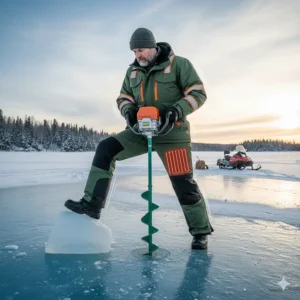
Complete Heated System Components
Heated Gloves: Cold hands end fishing trips faster than cold legs. DSG Heated Gloves 2.0 provide full-hand heating with 3000mAh batteries, maintaining dexterity for tying knots and baiting hooks.
Heated Socks: Ororo or Milwaukee heated socks target toes—the body part furthest from your core and most prone to frostbite. Essential for anglers with circulation issues.
Heated Jackets: Pair heated bibs with heated jackets for full-body coverage. The Milwaukee Toughshell heated jacket offers 3x the insulation and app control.
Heated Bases: Worn under bibs and jackets, heated base layers from brands like DSG provide core warmth without bulk.
Power Management Strategy
Battery Sharing: Milwaukee M12 systems let you share batteries across heated gear and power tools. If you already own M12 drills or impact drivers, you have compatible batteries for heated clothing.
Charging Solutions: For multi-day ice fishing trips or remote cabin stays, consider:
- Portable solar panels (folding 100W panels charge in daylight)
- Vehicle inverters (charge during transport)
- Backup battery banks (Anker or similar 20,000mAh+ units)
Cold Weather Battery Care: Lithium-ion batteries lose 20-30% capacity below -20°C. Keep spare batteries in inside pockets using body heat, swap when primary batteries deplete.
Sizing Considerations for Layering
Heated bibs often run smaller than traditional bibs because heating elements take up space. Canadian sizing tips:
Order Up: Many manufacturers recommend sizing up one size when layering over thick base layers.
Check Measurements: Use tape measure on your actual winter layers, not street clothes. Measure waist, inseam, and chest with everything you plan to wear underneath.
Read Reviews: Amazon.ca reviews from Canadian buyers often mention whether sizing runs small, large, or true.
Return Policies: Confirm return shipping to/from Canada before purchasing. Some US retailers charge hefty return shipping to Canada.
Maintaining Your Heated Ice Fishing Gear
Battery Care for Canadian Winters
Storage: Store lithium batteries at 40-60% charge in room temperature (20°C). Full discharge or 100% charge during storage degrades cells faster.
Charging Cycles: Modern batteries handle 300-500 full charge cycles before noticeable capacity loss. Partial charges don’t count as full cycles—charge whenever convenient.
Extreme Cold Protection: Batteries lose 30-40% capacity below -20°C. Strategies to combat this:
- Start with fully charged, warm batteries
- Keep spares in inner jacket pockets using body heat
- Use higher-capacity batteries in extreme cold
Safety: Never charge damaged, swollen, or leaking batteries. Replace any battery that feels hot during charging or shows physical damage.
Cleaning and Waterproofing Maintenance
Washing Instructions:
- Remove all batteries and power banks
- Close all zippers and Velcro
- Machine wash cold water, gentle cycle
- Use mild detergent—avoid fabric softeners (degrades DWR coating)
- Rinse thoroughly to remove all soap
Drying:
- Tumble dry low heat to reactivate DWR coating
- Never high heat—damages waterproof membranes
- Air dry heating elements if possible
DWR Restoration: Durable Water Repellent coatings wear off over time. Reapply with:
- Nikwax TX.Direct spray
- Granger’s Performance Repel
- ReviveX spray-on
Storage Between Seasons
End-of-Season Prep:
- Clean thoroughly and dry completely
- Remove batteries (store separately)
- Hang in cool, dry location
- Avoid compressed storage—reduces insulation loft
Checking Before Season: Inspect seams, zippers, and heating elements before first use each winter. Test batteries at full charge to ensure they’re still holding capacity.
✨ Don’t Miss These Exclusive Deals!
🔍 Take your ice fishing comfort to the next level with these carefully selected products available in Canada. Click on any highlighted item to check current pricing and availability on Amazon.ca. These heated bibs and accessories will help you create authentic warmth your fishing buddies will envy!
Frequently Asked Questions
❓ How long do heated ice fishing bibs batteries last in Canadian cold?
❓ What waterproof rating do I need for ice fishing pants in Canada?
❓ Are heated pants worth it for ice fishing in Ontario or Quebec?
❓ Can I use Milwaukee heated gear for ice fishing in Canada?
❓ What temperature rating should I choose for heated fishing bibs in Manitoba or Saskatchewan?
Conclusion: Choosing Your Ideal Heated Ice Fishing System
After reviewing dozens of heated and traditional ice fishing bibs available to Canadian anglers in 2026, the best choice depends entirely on your fishing style, budget, and typical conditions.
For Extreme Cold Warriors (-25°C and below): The NORFIN Evolution FLT Heat Bibs combine aggressive heating with flotation safety. Pair with quality base layers and spare batteries for the coldest days Manitoba, Saskatchewan, or Northern Ontario can throw at you.
For Best Overall Value: TideWe Heated Fishing Bibs deliver battery-powered warmth with included power bank at prices that won’t shock your wallet. Perfect for anglers stepping up from traditional bibs without committing to premium pricing.
For Modular Flexibility: Milwaukee M12 Heated Base Layers work under your existing bibs, spread costs over time, and serve double-duty for other winter activities. Ideal if you already own M12 tool batteries.
For Premium Performance: Striker Ice Apex Bibs represent the pinnacle of non-battery warmth using NASA Aerogel and HeatMap technology. Yes, they’re expensive, but serious Canadian guides report 5+ seasons of daily use.
For Traditional Warmth: Bassdash Splice Bibs prove you don’t need batteries for comfortable ice fishing in moderate conditions. At under $200 CAD, they’re an excellent starting point.
The warmest heated bibs for ice fishing aren’t always the most expensive—they’re the ones that match your specific fishing conditions and personal physiology. A lightweight angler sitting stationary in -30°C Northern Saskatchewan needs different gear than an active angler chasing lake trout through holes on Lake Simcoe.
Remember: heated pants for ice fishing guide technology has evolved to the point where you truly can fish comfortably all day in Canadian winters. Whether you choose battery-powered bibs, high-tech passive insulation, or traditional warmth depends on your priorities—but with this guide, you now have the knowledge to make an informed decision.
Tight lines and warm legs this season! 🎣❄️
Recommended for You
- Heated Pants vs Heated Insoles: 7 Facts Canadians Must Know (2026)
- 7 Best Heated Snowboard Pants Canada 2026
- Best Heated Snowmobile Pants Canada 2026: Top 7 Reviews & Guide
Disclaimer: This article contains affiliate links to Amazon.ca. If you purchase products through these links, we may earn a small commission at no additional cost to you.
✨ Found this helpful? Share it with your fishing buddies! 💬🤗
