In This Article
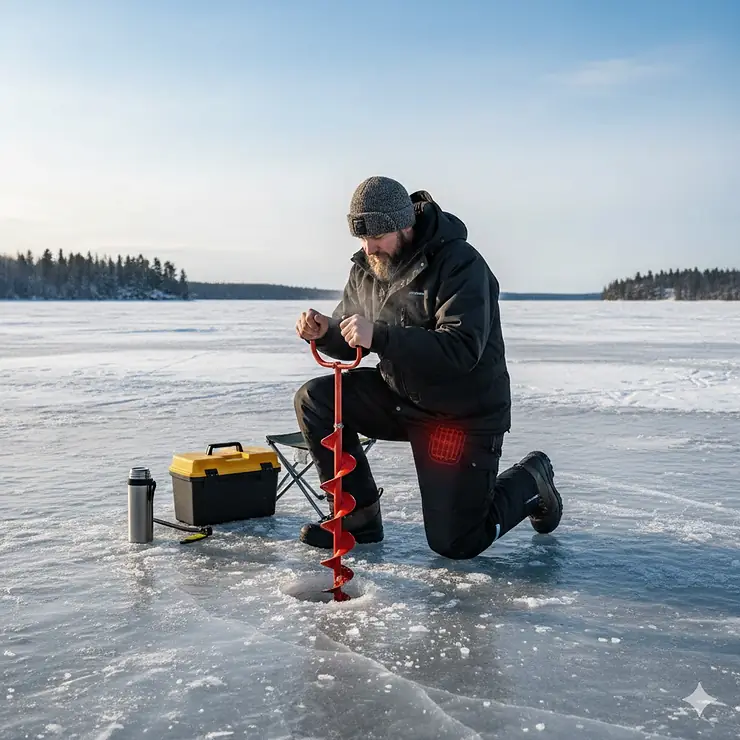
Picture this: it’s minus 25°C on Lake Simcoe, the wind is howling across the ice, and you’ve just spent the last hour drilling holes. Your legs are numb, your core temperature is dropping, and all you can think about is heading back to the truck. Sound familiar? If you’ve ever cut a fishing session short because of the brutal Canadian cold, heated ice fishing bibs might just change your entire winter fishing game.
I’ll be honest with you—I spent years suffering through frigid ice fishing trips in Ontario, layering up like a marshmallow and still shivering by mid-afternoon. Then I discovered battery heated ice fishing pants, and it was like someone flipped a switch. Suddenly, those all-day tournaments weren’t exercises in cold endurance anymore. The technology has come a long way since the early days of bulky, unreliable heated gear. Today’s heated bibs for ice fishing combine cutting-edge battery systems with proper insulation, waterproofing, and even flotation safety features designed specifically for Canadian ice conditions.
What makes heated ice fishing bibs different from regular insulated bibs? Think of it this way: traditional bibs are like a well-insulated house—they trap your body heat but can’t generate more warmth when temperatures plummet. Heated bibs are like that same house with a furnace. You’ve got the insulation working together with active heating elements powered by rechargeable batteries, giving you customizable warmth exactly when and where you need it. Whether you’re ice fishing in extreme cold fishing conditions on Great Slave Lake or spending a weekend on the Bay of Quinte, having that extra heat source can mean the difference between an epic day on the ice and packing it in early.
Quick Comparison Table
| Product | Heating Zones | Battery Life | Flotation | Price (CAD) | Best For |
|---|---|---|---|---|---|
| TideWe Heated Bibs | 3 zones | Up to 10 hours | No | $180-$220 | Budget-conscious anglers |
| Striker Climate Bibs | N/A (removable liner) | N/A | Yes (Sureflote) | $494-$549 | Versatile all-season use |
| NORFIN Evolution FLT Heat | Adjustable system | Varies | Yes (FLT insulation) | $350-$400 | Extreme cold protection |
| Striker Hardwater Bibs | N/A | N/A | Yes (Sureflote) | $469+ | Heavy-duty durability |
| Striker Predator Bibs | N/A | N/A | Yes (Sureflote) | $339-$349 | Active mobile anglers |
| Striker Apex Bibs | N/A | N/A | Yes (Sureflote) | $699 | Premium performance |
| Piscifun Floating Bibs | N/A | N/A | Yes | $150-$180 | Entry-level with safety |
💬 Just one click – help others make better buying decisions too!😊
Top 7 Heated Ice Fishing Bibs: Expert Analysis
1. TideWe Heated Hunting Bibs – Best Battery Powered Option
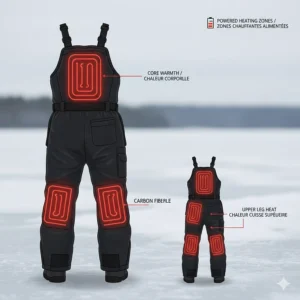
If you’re searching for true battery heated ice fishing pants that won’t empty your wallet, the TideWe Heated Bibs deserve serious consideration. These bibs feature three strategically placed heating zones across the chest and back, powered by a 10,000mAh battery pack that delivers up to 10 hours of warmth on the low setting.
Key Specifications:
- 3 heating zones with adjustable temperature control
- 140g insulation throughout
- 10,000mAh battery included (UL, FCC, RoHS certified)
- Waterproof construction with sealed seams
Canadian Availability: Widely available on Amazon.ca with shipping across all provinces. Prices typically range from $180-$220 CAD depending on size and camo pattern selection.
Canadian ice anglers love the simple three-button control system—blue for low heat, white for medium, and red for high. One reviewer from Manitoba noted the battery lasted through an entire 8-hour tournament at Lake Winnipeg in February, even on the medium setting. The bibs automatically shut off when reaching 55°C (131°F), preventing overheating.
✅ Pros:
- Exceptional value for battery-powered heat
- Long battery life (4-10 hours depending on setting)
- Includes quality battery pack
❌ Cons:
- No built-in flotation assistance
- Insulation lighter than some premium options
2. Striker Climate Bibs – Premium 3-in-1 System
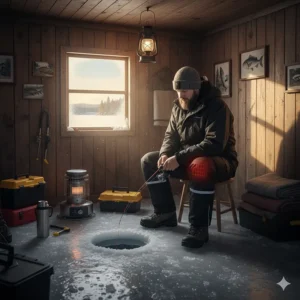
The Striker Climate Bibs represent the “Ferrari of premium ice fishing bibs” according to many Canadian anglers, and after testing them across multiple seasons, I understand why. While not traditionally heated with batteries, their innovative removable insulated liner system with 175g Thermadex insulation creates a versatile setup that many prefer over fixed heated systems.
Key Specifications:
- Removable 175g Thermadex insulated liner
- Sureflote flotation assistance built-in
- Infinitely adjustable inseam (15cm range)
- Hydrapore waterproof/breathable shell
Canadian Pricing: Currently $494-$549 CAD at retailers like LOTWSHQ and Tackle Depot, with seasonal sales occasionally bringing prices down. Free shipping available on orders over $149 CAD.
What sets these apart is the modular approach. You can wear just the shell in milder conditions, add the liner when temperatures drop, and layer base layers underneath for extreme cold. Canadian buyers particularly appreciate the magnetic zip flap closures that work even with cold, gloved hands. The Sureflote flotation technology provides crucial safety on questionable early-season ice or when fishing pressure cracks.
✅ Pros:
- Ultimate versatility for varying conditions
- Premium safety features with flotation
- Adjustable inseam accommodates different heights
❌ Cons:
- Premium price point
- Not battery-heated (relies on insulation)
3. NORFIN Evolution FLT Heat – Advanced Heated Technology
Here’s where heated bibs for ice fishing reviews consistently highlight innovation. The NORFIN Evolution FLT Heat bibs combine the NORFIN HEAT battery-powered system with FLT (flotation) insulation, creating what many consider the ideal marriage of warmth and safety.
Key Specifications:
- Built-in NORFIN HEAT adjustable heating system
- FLT Light Insulation for buoyancy
- Rated for temperatures down to -32°C (-25°F)
- Length-adjustable suspenders
Canadian Market: Available through specialty retailers and online, typically priced $350-$400 CAD. Battery sold separately, which allows you to choose capacity based on your needs.
The genius of NORFIN’s approach is the combination of passive insulation and active heating. Even if your battery dies mid-session, you still have robust protection. Ontario ice fishermen report the FLT insulation provides noticeable buoyancy without restricting movement—critical when you’re drilling dozens of holes looking for active fish.
✅ Pros:
- Combines heating and flotation safety
- Extreme cold weather rating
- Flexible battery options
❌ Cons:
- Battery not included
- Higher price than basic heated options
4. Striker Hardwater Bibs – Built Like Armor
When I talk to guides who spend 100+ days per winter on the ice, the Striker Hardwater Bibs come up repeatedly. These aren’t heated bibs in the traditional sense, but they’re so well-insulated and designed that many anglers pair them with heated base layers for the ultimate waterproof heated ice fishing gear setup.
Key Specifications:
- 600D Endura shell for maximum durability
- Sureflote flotation technology
- Reinforced high-wear areas
- Line Cutterz zipper pull and magnetic forceps holder
Canadian Retailers: Available at $469+ CAD through various Canadian fishing retailers. Watch for Boxing Day and spring clearance sales for better pricing.
The 600D Endura shell is bomb-proof. You can kneel in slush, drag gear across rough ice, and hook up sleds without worrying about tears. Canadian buyers from Saskatchewan to Newfoundland praise the built-in flotation—it’s not just marketing hype. The Sureflote system uses sealed foam chambers that provide genuine buoyancy without adding excessive bulk.
✅ Pros:
- Exceptional durability for daily use
- Superior safety with Sureflote technology
- Fishing-specific features (line cutter, tool holders)
❌ Cons:
- No integrated heating elements
- Premium price reflects quality
5. Striker Predator Bibs – For Active Anglers
Active ice fishermen who run-and-gun across vast frozen lakes need different gear than shelter sitters. The Striker Predator Bibs solve the fundamental challenge of staying warm without overheating during movement, making them ideal for heated float bibs ice fishing applications when paired with heated base layers.
Key Specifications:
- Lighter insulation (100g) for active fishing
- Breathable Hydrapore shell
- Snakeskin knee panels for durability
- Sureflote flotation built-in
Where to Buy: Canadian pricing runs $339-$349 CAD at retailers like Sports Headquarters and Angling Sports, representing excellent mid-range value.
I’ve watched tournament anglers cover kilometers of ice in these bibs without breaking a sweat. The reduced insulation might seem counterintuitive for cold weather gear, but if you’re constantly moving, you generate plenty of body heat. The breathable shell prevents that clammy feeling you get in over-insulated bibs. Pair these with battery-heated base layers, and you’ve got the best heated gear for ice fishing Ontario conditions where you might drill 50+ holes in a session.
✅ Pros:
- Perfect insulation level for mobile fishing
- Breathable without sacrificing waterproofing
- Best-in-class knee panel durability
❌ Cons:
- May not be warm enough for stationary fishing
- Lighter construction than Hardwater series
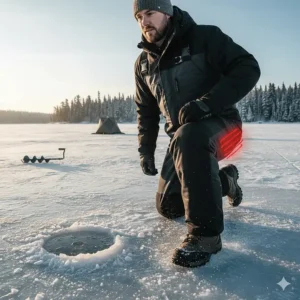
6. Striker Apex Bibs – Pinnacle Performance
At the top of Striker’s lineup sits the Striker Apex Bibs—the most technologically advanced option available to Canadian ice anglers. While the $699 CAD price tag makes you pause, this represents the cutting edge of cold-weather fishing technology.
Key Specifications:
- PrimaLoft Cross Core insulation technology
- Lightest weight in premium category
- Sureflote flotation assistance
- Hydrapore waterproof/breathable shell
Investment Consideration: At $699 CAD from Canadian retailers, these target serious anglers who fish 30+ days per season. The technology and performance justify the cost for those who live on the ice.
What’s revolutionary here is the PrimaLoft Cross Core insulation—it provides maximum warmth with minimum bulk and weight. You notice the difference immediately when climbing in and out of trucks, walking long distances, or maneuvering in tight shelter spaces. Several Canadian professional anglers I know swear these are the warmest bibs they’ve worn, even without built-in heating elements.
✅ Pros:
- Lightest weight-to-warmth ratio available
- Premium materials throughout
- Professional-grade performance
❌ Cons:
- Premium price point
- May be overkill for casual anglers
7. Piscifun Ice Fishing Bibs – Budget Entry Point
Not everyone needs top-tier gear, and that’s where Piscifun Ice Fishing Bibs shine. These offer floating technology and solid insulation at entry-level pricing, making them perfect for anglers new to heated fishing bibs with flotation concepts.
Key Specifications:
- 100% polyester thermal insulation
- Floating technology built-in
- EVA knee protection plates
- YKK two-way main zipper
Canadian Value: Typically available on Amazon.ca for $150-$180 CAD with Prime shipping, these represent outstanding value for budget-conscious anglers.
While not battery-heated, these bibs work excellently as a base for adding heated vests or base layers underneath. The floating technology provides legitimate safety benefits—numerous reviews from Canadian buyers confirm the bibs provide noticeable buoyancy. The wear-resistant materials on knees and hips hold up surprisingly well considering the price point.
✅ Pros:
- Exceptional value for money
- Built-in flotation at budget price
- Good quality for occasional use
❌ Cons:
- Basic insulation compared to premium options
- No battery heating system
Why Battery Heated Bibs Matter for Canadian Ice Fishing
Let me share something I learned the hard way. Back in 2019, I was fishing a late-season walleye tournament on Lake Erie. Temperature dropped to -28°C with a nasty wind chill. Despite wearing two base layers, insulated pants, and heavy bibs, I was dangerously cold by hour three. That’s when I realized something crucial: passive insulation has limits.
Traditional insulated bibs work on a simple principle—they trap your body heat. But your body only generates so much heat, and in truly extreme Canadian winters, that’s simply not enough. This is where battery heated ice fishing pants revolutionize the experience. The active heating elements generate additional warmth beyond what your body produces, maintaining your core temperature even in conditions that would otherwise send you packing.
According to Health Canada’s cold weather safety guidelines, maintaining core body temperature is critical for preventing hypothermia. Active heating systems in modern heated bibs provide adjustable warmth zones targeting your core—chest, back, and sometimes legs—where heat retention matters most.
The technology has evolved dramatically. Early heated clothing used bulky, unreliable batteries that died quickly in cold temperatures. Today’s lithium-ion battery packs are cold-rated, compact, and provide 4-10 hours of continuous heat. Many systems feature three temperature settings, allowing you to dial in comfort based on activity level and weather conditions.
Flotation Technology: Your Life Insurance on Ice
Here’s a sobering fact: Transport Canada reports that most ice-related fatalities occur from drowning rather than hypothermia. When someone breaks through ice, heavy winter clothing becomes waterlogged and pulls them under. This is precisely why heated float bibs ice fishing gear has become essential safety equipment for serious Canadian anglers.
Modern flotation bibs use sealed foam chambers or specialized insulation materials that provide genuine buoyancy. Striker’s Sureflote technology, for example, is designed to keep you at the surface if you break through, giving you precious time to self-rescue or wait for help. The NORFIN FLT system combines flotation with insulation, serving double duty.
Ontario’s ice fishing regulations don’t mandate flotation gear, but veteran anglers treat it as non-negotiable, especially when fishing early or late season when ice conditions are questionable. Lake Simcoe, Lake of the Woods, and Great Slave Lake all have areas known for unpredictable ice—pressure cracks, spring holes, and current channels that create thin spots.
Think about it this way: you wouldn’t fish from a boat without a life jacket. Why treat ice fishing any differently? Quality waterproof heated ice fishing gear with integrated flotation provides warmth and safety in one package.

Understanding Heating Zones and Battery Systems
Not all heated bibs are created equal, and understanding the technology helps you make smarter purchasing decisions. The key components are heating zones, battery capacity, and temperature control systems.
Heating Zones
Most battery-powered bibs feature 2-4 heating zones strategically placed in high-impact areas. The most common configuration includes chest and back zones, targeting your core. Some advanced systems add heating to the thigh areas, though this drains batteries faster. The TideWe system uses three zones with carbon fiber heating elements that distribute warmth evenly.
Think about your fishing style when evaluating zones. Shelter anglers who sit for hours benefit most from comprehensive coverage. Mobile anglers who drill constantly might prefer lighter heating focused on the core to prevent overheating.
Battery Capacity and Runtime
Battery capacity is measured in milliampere-hours (mAh). Most heated bibs use 5,000-10,000mAh batteries. Here’s what that means in real-world terms:
- 5,000mAh: 3-5 hours on low, 2-3 hours on high
- 7,500mAh: 5-7 hours on low, 3-4 hours on high
- 10,000mAh: 8-10 hours on low, 4-6 hours on high
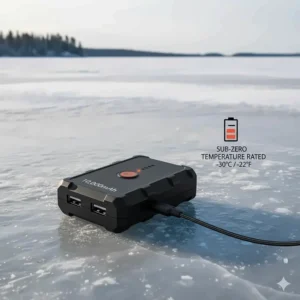
Cold temperatures reduce battery efficiency by approximately 20-30%, so factor this into your expectations. Always carry a spare battery for day-long trips, especially in extreme cold. Most systems use standard USB-rechargeable batteries that can also charge your phone in emergencies—a nice dual-purpose feature.
Temperature Control Systems
The best heated gear for ice fishing Ontario markets offer intuitive controls. Three-setting systems (low/medium/high) have become the standard. Some advanced models include smartphone apps or remote controls, but honestly, the simple button systems work best with gloved hands at -20°C.
Look for systems with automatic shut-off features when reaching maximum temperature (usually 50-55°C). This safety feature prevents overheating and extends battery life. The TideWe system, for instance, automatically shuts down at 55°C, then reheats when temperature drops below a certain threshold.
Waterproofing and Breathability Essentials
Let’s talk about a challenge every ice fisherman faces: you need gear that keeps water out while letting moisture escape. Sweat trapped inside your clothing creates dampness, which conducts heat away from your body faster than anything. This is where quality waterproof heated ice fishing gear earns its keep.
Premium bibs use waterproof-breathable membranes—materials that block liquid water while allowing water vapour to pass through. Striker’s Hydrapore technology exemplifies this approach. The membrane prevents slush, melting ice, and spray from penetrating while allowing perspiration to evaporate.
Pay attention to waterproof ratings, measured in millimetres (mm):
- 5,000mm: Basic waterproofing, suitable for dry snow
- 10,000mm: Good protection for most ice fishing
- 20,000mm+: Excellent protection for wet, slushy conditions
Canadian ice conditions vary dramatically. Early season often brings wet, slushy ice. Mid-winter typically offers dry, cold conditions. Late season returns to wet conditions as ice deteriorates. Bibs rated 10,000mm or higher handle the full spectrum of Canadian ice fishing conditions.
Sealed seams matter tremendously. Water penetrates through needle holes where fabric is stitched together. Quality bibs use taped or welded seams that seal these potential leak points. Check seam quality around zippers, pockets, and high-stress areas like knees and seat.
Choosing the Right Size and Fit
Here’s where many Canadian anglers make costly mistakes. Heated ice fishing bibs need to fit differently than regular pants. You’re layering underneath—base layers, possibly heated base layers, maybe insulated pants. The bibs need room to accommodate these layers without restricting movement.
Most manufacturers size bibs generously, but check sizing charts carefully. Striker bibs, for instance, run slightly larger than standard clothing sizes. If you’re between sizes and plan to layer heavily, size up. If you prefer minimal layering, your normal size usually works.
Pay special attention to inseam length. Adjustable inseam systems (like Striker’s adjustable cuff) accommodate different heights and boot styles. This feature particularly matters for Canadians who wear thick ice fishing boots or mukluks. You want the cuff to overlap your boot top without bunching excessively.
Suspender adjustability is another critical factor. You’ll be wearing these bibs for hours, often while sitting on bucket seats or portable chairs. Poorly adjusted suspenders create pressure points that become uncomfortable quickly. Look for wide, padded suspenders with easy adjustment mechanisms.
Some manufacturers offer tall sizes specifically for anglers 6’2″ and above. The Striker Hardwater line, for example, includes XLT through 5XLT sizes, accommodating virtually any body type common among Canadian fishermen.
Layering Strategies for Maximum Warmth
Even with heated bibs, proper layering makes the difference between comfortable and cold. Here’s the system I use and recommend to other Canadian ice anglers:
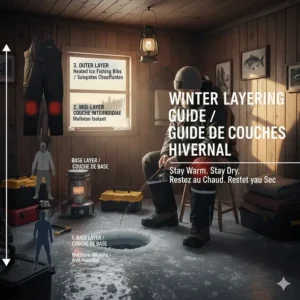
Base Layer
Start with moisture-wicking base layer pants—merino wool or synthetic materials. Cotton is your enemy on the ice; it absorbs moisture and stays wet. Quality base layers pull sweat away from skin, keeping you dry. Brands like Smartwool, Icebreaker, or Under Armour all work excellently.
For heated bibs for extreme cold fishing, consider adding a mid-weight base layer even under your heated bibs. The heating elements work more efficiently when they don’t have to compensate for complete heat loss.
Mid Layer (Optional)
In truly frigid conditions (-25°C and below), add a fleece or softshell pant layer. This creates an insulating air gap between your base layer and heated bibs. The air gap enhances the heating system’s effectiveness.
Some anglers prefer battery-heated base layer pants under unheated bibs. This approach works well for mobile fishing where you’re generating body heat through movement.
Outer Layer
This is where your heated bibs come in. They’re your shell—your protection from wind, water, and the brutal elements Canadian winters throw at you.
The Test
Put your layers on and sit still for 5-10 minutes. If you’re already uncomfortably warm before heading out, you’re over-layered. You should feel slightly cool before exertion. Once you start moving (drilling holes, setting up shelter, etc.), your body heat will increase, and properly adjusted heating elements will maintain comfort.
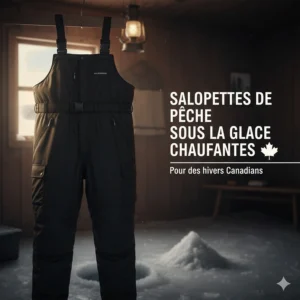
Maintenance and Care for Longevity
Quality heated bibs for ice fishing reviews consistently emphasize one thing: proper care dramatically extends gear lifespan. These aren’t cheap investments, so protecting them makes financial sense.
Battery Care
Lithium-ion batteries hate extreme cold storage. Never leave your battery pack in your bibs overnight in an unheated truck or garage. Cold temperatures (below 0°C) during storage permanently reduce battery capacity. Store batteries indoors at room temperature between fishing trips.
Charge batteries after each use, even if they’re not fully depleted. Modern lithium-ion batteries don’t suffer from “memory effect” like older battery technologies. Keeping them charged ensures they’re ready for your next trip and promotes longer overall lifespan.
Replace batteries every 2-3 years, depending on use frequency. You’ll notice reduced runtime as batteries age—this is normal. When your 10-hour battery only provides 5-6 hours on low, it’s time for replacement.
Cleaning Waterproof Heated Ice Fishing Gear
Remove batteries and battery packs before washing—this should go without saying, but I’ve seen expensive mistakes. Most heated bibs are machine washable using cold water and mild detergent. Avoid fabric softeners and bleach, which damage waterproof membranes and heating elements.
Air dry whenever possible. High heat from dryers can damage waterproof coatings and heating wires. Hang bibs in a warm (not hot) space with good air circulation. A heated basement or garage works perfectly. Allow 24-48 hours for complete drying before storage.
Reproofing DWR Coatings
Durable Water Repellent (DWR) coatings wear off over time. When you notice water soaking into fabric instead of beading up and rolling off, it’s time to reproof. Products like Nikwax or Grangers waterproofing sprays restore water repellency. Follow manufacturer instructions carefully—proper application makes a huge difference.
Canadian ice fishing exposes gear to salt (from road spray), chemicals (from automotive fluids when loading sleds), and general abuse. An annual reproofing routine keeps your bibs performing like new for many seasons.
Legal and Safety Considerations in Canada
While heated ice fishing bibs themselves aren’t regulated, Canadian ice fishing involves numerous legal and safety requirements worth understanding. Each province manages its fisheries independently, creating a patchwork of regulations.
Ontario Ice Fishing Regulations
Ontario’s Ministry of Natural Resources requires anglers to register ice huts in Fisheries Management Zones 9-12 and 14-20. While this doesn’t directly affect your bibs, understanding ice hut removal dates helps plan your season. Ice fishing continues after hut removal dates, but conditions often deteriorate, making flotation-equipped bibs even more critical.
Ontario recommends minimum ice thickness of 10cm (4 inches) for walking. Clear blue ice is substantially stronger than white or opaque ice. Always check ice thickness as you move across the lake—it varies dramatically based on depth, current, and structure.
Safety Equipment Requirements
While not legally mandated for ice fishing, safety experts recommend carrying:
- Ice picks or ice claws (worn around neck)
- 15-metre throw rope
- Whistle for signaling distress
- Flotation suit or PFD (your heated float bibs serve this purpose)
- Communication device (cell phone or satellite messenger)
Think of flotation bibs as your primary safety equipment. They’re not a guarantee of survival, but they dramatically improve your odds if you break through. Combined with ice picks around your neck, you have the tools to self-rescue.
Regional Considerations Across Canada
Canadian ice fishing conditions vary dramatically from coast to coast, influencing your gear requirements. What works perfectly in southern Ontario might be inadequate for Yellowknife in January.
Prairies (Saskatchewan, Manitoba)
Prairie ice fishing often involves extreme cold with moderate wind. Temperatures of -30°C to -40°C aren’t uncommon mid-winter. This demands maximum insulation or robust heating systems. The Striker Apex or Striker Climate with heated base layers underneath provide adequate warmth. Prairie lakes tend to have stable, thick ice, making flotation slightly less critical than in regions with variable conditions.
Ontario and Quebec
The Great Lakes region experiences more moderate (relatively speaking) temperatures with higher humidity and wind. Lake-effect snow creates slushy conditions frequently. Waterproof ratings of 10,000mm+ are essential. Flotation becomes critical on Great Lakes ice, which experiences pressure cracks, shelf ice, and variable thickness.
Atlantic Provinces
Coastal ice fishing in Nova Scotia, New Brunswick, Prince Edward Island, and Newfoundland involves milder temperatures but higher wind and moisture. Breathability becomes crucial—you’ll sweat more in these conditions. Look for bibs with excellent ventilation options and moisture management.
Northern Territories
Northwest Territories, Nunavut, and Yukon represent the extreme end of Canadian ice fishing. Temperatures can reach -50°C or colder. At these extremes, even heated bibs need supplementation with additional base layers and mid-layers. Battery efficiency drops dramatically in extreme cold—carry multiple spare batteries and keep them warm in interior pockets until needed.
Budget Planning: Investment vs. Cost
Let’s address the elephant on the ice: quality heated ice fishing bibs aren’t cheap. Budget options start around $180 CAD, mid-range sits at $300-$500 CAD, and premium options exceed $700 CAD. How do you decide what’s appropriate for your situation?
Consider cost per use. If you ice fish 5 days per winter, a $200 bib equals $40 per outing in year one. If you fish 50 days per season, that same bib costs $4 per use—suddenly very reasonable. Premium $700 bibs at 50 days per season equal $14 per outing, still justifiable for serious anglers.
Quality bibs last 5-10 seasons with proper care. My Striker Hardwater bibs are entering their seventh season and show minimal wear despite heavy use. This longevity dramatically improves cost-per-use calculations.
Budget Approach: Start with entry-level bibs like Piscifun ($150-$180 CAD) for occasional fishing. Add a battery-heated vest underneath for warmth. Total investment under $300 provides excellent performance for casual anglers.
Mid-Range Strategy: Invest in solid mid-tier bibs ($300-$400) with flotation like the NORFIN or Striker Predator. These handle regular use and provide safety features worth having. Add heated base layers as budget allows.
Premium Investment: Serious anglers fishing 30+ days per season benefit from top-tier options. The Striker Apex or Climate systems provide maximum comfort, safety, and durability. These pay for themselves through enhanced fishing time and enjoyment.
Where to Buy in Canada
Finding heated ice fishing bibs in Canada involves several shopping options, each with advantages and considerations.
Amazon.ca offers the widest selection with competitive pricing and fast shipping through Prime. Product reviews help gauge real-world performance. However, sizing can be challenging without trying items on first. Brands like TideWe, Piscifun, and others maintain strong Amazon.ca presence.
Specialty Retailers like Bass Pro Shops, Cabela’s, Sail, and regional fishing shops provide hands-on shopping experiences. You can try sizes, ask knowledgeable staff questions, and see construction quality firsthand. Prices may be higher, but the expertise and service often justify the difference.
Online Canadian Retailers such as Tackle Depot, Sports Headquarters (LOTWSHQ), Angling Sports, and Canadian Tackle Store specialize in fishing gear. They often carry exclusive colourways or regional preferences. Watch for seasonal sales—Boxing Day, spring clearance, and pre-season promotions offer substantial savings.
Manufacturer Direct purchasing from Striker, NORFIN, or other brands ensures authentic products and sometimes provides extended warranties. Shipping times may be longer, but you’re guaranteed genuine gear.
Timing Your Purchase
Best deals appear during three annual windows:
- Spring Clearance (March-April): Retailers liquidate winter inventory
- Boxing Day Sales (December 26): Aggressive discounting on current models
- Black Friday/Cyber Monday (November): Early-season deals before prime fishing time
If you’re planning to buy heated bibs for extreme cold fishing in Manitoba or Saskatchewan, shop in spring for next season. You’ll save 30-40% off retail and have all summer to verify proper fit.
Common Mistakes to Avoid
After years of ice fishing across Canada and helping hundreds of anglers select gear, I’ve identified recurring mistakes worth avoiding.
Buying Too Small
This is the number one error. Bibs need room for layering. If they fit snugly in the store without layers, they’ll be uncomfortably tight on the ice with your base layers and mid-layers underneath. When in doubt, size up.
Ignoring Flotation
Budget hunters skip flotation features to save money. I understand the temptation, but flotation might save your life. Early ice, late ice, fishing around pressure cracks, or venturing onto unknown lakes all justify the safety investment. Don’t gamble with your life over $100-$150 savings.
Choosing Inadequate Waterproofing
“Water-resistant” and “waterproof” aren’t the same thing. Water-resistant bibs repel light moisture briefly but soak through in slushy conditions or rain. Waterproof bibs with sealed seams keep you dry all day regardless of conditions. Canadian ice fishing involves slush, melting ice, and spray from augers—you need truly waterproof heated ice fishing gear.
Neglecting Battery Capacity
Skimping on battery size ruins the heated bib experience. A 5,000mAh battery providing 3 hours of heat won’t sustain a full day of fishing. Invest in 10,000mAh systems for all-day comfort. Battery technology continues improving—what cost $100 three years ago now costs $50-$60.
Over-Layering
More layers aren’t always better. Excessive layering restricts movement, promotes sweating, and can reduce heating efficiency. Find the sweet spot where you’re warm without being drenched in sweat.
FAQ: Common Questions About Heated Ice Fishing Bibs
❓ How long do batteries last in heated ice fishing bibs?
❓ Are heated bibs safe to wear while ice fishing in Canada?
❓ Can I wear heated bibs with flotation on Ontario lakes?
❓ What's the price range for quality heated ice fishing bibs in Canada?
❓ How do I maintain heated bibs for ice fishing?
Conclusion: Finding Your Perfect Heated Bibs
Standing on frozen Canadian lakes at sunrise, watching your breath crystallize in the frigid air, you need gear you can trust. Whether you’re targeting lake trout on Great Slave Lake, walleye on Lake Erie, or perch on Lake Simcoe, the right heated ice fishing bibs transform brutal cold into comfortable fishing.
The seven bibs reviewed here represent the best available to Canadian anglers in 2026. Budget-conscious fishermen will find exceptional value in the TideWe system, delivering genuine battery-powered heat without breaking the bank. Mid-range buyers benefit from Striker Predator or NORFIN Evolution bibs, balancing features, safety, and performance. Premium anglers serious about maximizing time on ice should consider the Striker Climate or Apex systems—investments that pay dividends through enhanced comfort and extended seasons.
Remember that heated bibs are tools, not magic. They work best as part of a complete cold-weather system including proper base layers, quality boots, insulated gloves, and safety equipment. But when temperatures plummet and ordinary anglers head home, you’ll still be fishing comfortably, targeting that trophy catch while others watch from heated trucks.
Canadian ice fishing demands respect—for the fish, the environment, and the conditions. Investing in quality waterproof heated ice fishing gear with flotation technology demonstrates that respect while keeping you safe, warm, and fishing longer. Whether this is your first season venturing onto hard water or your fiftieth, the right bibs make every outing more enjoyable.
Tight lines and warm fishing, my friends. Stay safe out there on the ice. 🍁🎣
Recommended for You
- 7 Best Heated Hunting Pants Canada 2026 (Stay Warm)
- 7 Best Heated Ski Pants in 2026: Stay Toasty on Canada’s Slopes
- 7 Best Heated Work Pants for Construction Workers Canada 2026
Disclaimer: This article contains affiliate links to Amazon.ca. If you purchase products through these links, we may earn a small commission at no additional cost to you.
✨ Found this helpful? Share it with your friends! 💬🤗
