
In This Article
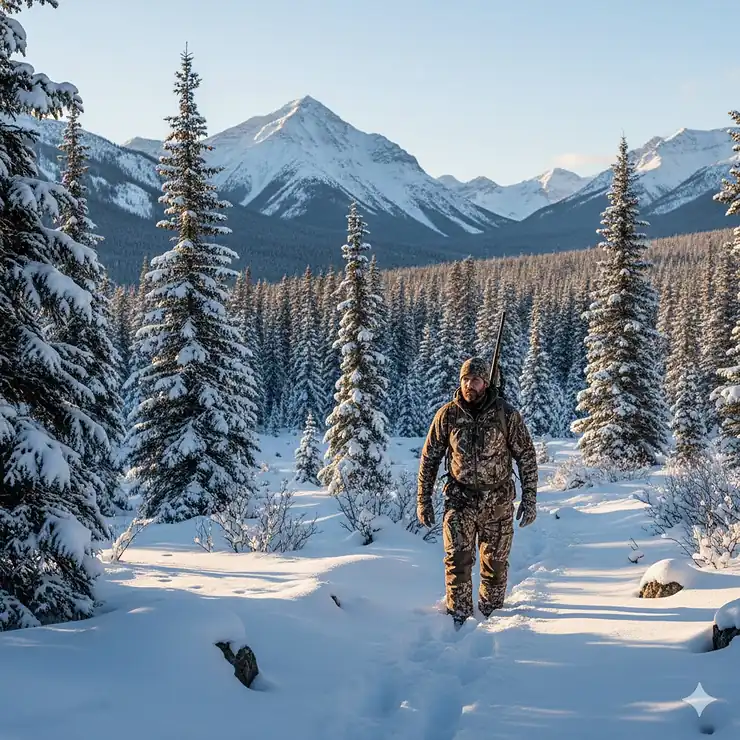
Picture this: you’re perched in your tree stand during late November in Saskatchewan, temperatures hovering around -15°C, and you’ve been sitting motionless for three hours waiting for that trophy whitetail. Your legs are numb, your focus is fading, and you’re seriously considering calling it quits. Sound familiar? This scenario plays out across Canada every hunting season, cutting short countless hunts that might have ended in success.
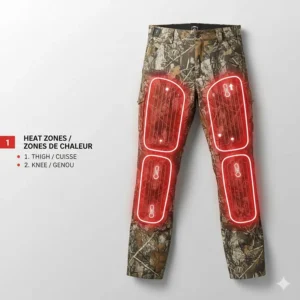
Enter heated hunting pants—the game-changing technology that’s revolutionizing cold-weather hunting across the Great White North. Unlike traditional insulated hunting gear that relies solely on trapped air and fabric layers, heated hunting pants use battery-powered carbon fiber heating elements strategically placed in key areas to deliver consistent, adjustable warmth for up to 10 hours. For Canadian hunters facing brutal prairie winds, mountain cold snaps, or early-morning tree stand vigils, these aren’t just a luxury—they’re essential equipment.
The Canadian hunting landscape presents unique challenges. From Alberta’s Rocky Mountain elk hunts where temperatures can plummet to -30°C, to Ontario’s late-season deer stands where wind chill cuts through conventional layers, to Quebec’s waterfowl blinds where moisture and cold create the perfect hypothermia storm, Canadian hunters need gear that can handle extremes. According to Hunter-Ed.com, hypothermia can occur at temperatures as high as 10°C when combined with wind and moisture—conditions all too common in Canadian hunting environments.
In this comprehensive guide, we’ll explore the seven best heated hunting pants available in Canada for 2026, covering everything from budget-friendly options to premium models. Whether you’re hunting deer from a tree stand, stalking elk in the mountains, or sitting in a duck blind, you’ll find the perfect battery heated pants for your specific needs.
Quick Comparison Table
| Product | Heat Zones | Battery Life | Price (CAD) | Best For | Rating |
|---|---|---|---|---|---|
| TIDEWE Heated Hunting Pants | 3 | Up to 10 hrs | $189-$229 | Budget hunters | ⭐⭐⭐⭐ 4.3/5 |
| ororo Mossy Oak DNA Heated Pants | 3 | Up to 10 hrs | $289-$329 | Premium camouflage | ⭐⭐⭐⭐⭐ 4.7/5 |
| KEMIMOTO Heated Camo Pants | 3 | Up to 15 hrs | $249-$299 | Extended hunts | ⭐⭐⭐⭐ 4.4/5 |
| NEW VIEW Heated Tree Camo Pants | 3 | 4-7 hrs | $199-$239 | Tree stand hunting | ⭐⭐⭐⭐ 4.2/5 |
| ActionHeat 5V Heated Base Layer | 2 | Up to 5 hrs | $219-$259 | Layering system | ⭐⭐⭐⭐ 4.1/5 |
| Mobile Warming APX Heated Pants | 2 | 6-8 hrs | $349-$399 | Tech features | ⭐⭐⭐⭐⭐ 4.6/5 |
| Gobi Heat Silent Hunter Pants | 3 | Up to 8 hrs | $259-$309 | Quiet operation | ⭐⭐⭐⭐ 4.3/5 |
💬 Just one click – help others make better buying decisions too! 😊
Top 7 Heated Hunting Pants – Expert Analysis
1. TIDEWE Heated Hunting Pants – Best Budget Option
If you’re looking for reliable battery heated pants for deer hunting without breaking the bank, the TIDEWE Heated Hunting Pants deliver exceptional value for Canadian hunters. Available on Amazon.ca and through TIDEWE’s Canadian website, these pants combine smart temperature control with water-resistant fabric and a fleece-padded interior.
Key Specifications:
- Three heating zones (thighs and lower back)
- 10,000mAh battery included
- Battery life: 10 hours (low), 5.5 hours (medium), 3 hours (high)
Canadian Pricing: $189-$229 CAD depending on size and camo pattern (Next Camo G2 or Vista available)
Canadian hunters appreciate the UL, FCC, and RoHS certified battery that comes standard, eliminating worries about safety certifications crossing the border. The water-resistant finish performs admirably in light snow and drizzle—common conditions during Ontario’s November deer season. The fleece padding provides additional passive insulation when you’re not actively heating, helping conserve battery life. One Alberta hunter reported wearing these for an entire -20°C morning sit and only needed the medium setting to stay comfortable.
✅ Pros:
- Excellent value for money
- Certified battery included
- YKK zippers withstand Canadian winters
- Machine washable (50+ washes)
- Ships quickly within Canada
❌ Cons:
- Fabric can be slightly noisy in very cold temps
- Sizing runs large for some users
Target User: Budget-conscious hunters, those new to heated gear, casual hunters who need reliable warmth for 2-4 hour sits.
2. ororo Mossy Oak DNA Heated Pants – Premium Camouflage Choice
The ororo Heated Hunting Pants featuring Mossy Oak Country DNA pattern represent the premium tier of heated hunting gear available in Canada. These heated pants for late season hunting combine cutting-edge carbon fiber heating technology with one of the most effective camouflage patterns ever developed.
Key Specifications:
- Three heating zones (lower waist, left and right thigh)
- Advanced carbon fiber heating elements
- Battery life: 3-10 hours depending on setting
- FELLEX® Insulation with bluesign® certification
Canadian Pricing: $289-$329 CAD (pants only); $369-$409 CAD (with battery)
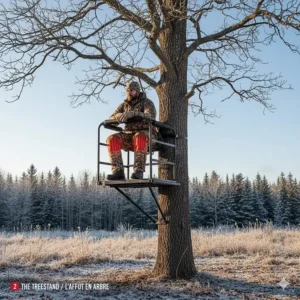
The Mossy Oak Country DNA pattern excels in Canadian hardwood forests and prairie edges where whitetail deer thrive. The silent tricot fleece shell minimizes noise during critical moments—essential when that big buck finally approaches your tree stand after hours of waiting. The gusset crotch design ensures unrestricted movement when climbing stands or navigating rough terrain, addressing a common complaint with earlier heated pant designs.
Canadian customers ordering through ororo.ca benefit from CAD pricing and faster shipping compared to US orders. The waterproof YKK zippers on side pockets protect valuables and keep snow out during those long sits. One British Columbia elk hunter mentioned wearing these in -25°C mountain conditions and staying comfortable for an 8-hour hunt on a single battery charge (low/medium settings).
✅ Pros:
- Superior Mossy Oak camouflage pattern
- Ultra-quiet fabric for stalking
- Premium build quality
- Gusset crotch for mobility
- Available through Canadian distributor
❌ Cons:
- Higher price point
- Battery sold separately on some models
Target User: Serious hunters investing in premium gear, those hunting pressured whitetails requiring maximum concealment, hunters who value quality over cost.
3. KEMIMOTO Heated Camo Pants – Longest Battery Life
For Canadian hunters tackling all-day sits in extreme cold, the KEMIMOTO Heated Hunting Pants offer industry-leading battery performance. These quiet heated hunting pants feature a massive 20,000mAh battery pack that can deliver warmth for up to 15 hours on the lowest setting—enough for even the longest December deer hunts.
Key Specifications:
- Three heating elements (hips, knees, thighs)
- 20,000mAh battery capacity
- Battery life: 15 hours (low), 8 hours (medium), 6 hours (high)
- Padded knee design
Canadian Pricing: $249-$299 CAD on Amazon.ca
The light-off function for the control switch is brilliant for hunters who stay on stand into twilight hours—no glowing lights to spook approaching game. The app control feature (compatible with iOS and Android) allows temperature adjustments without fumbling with buttons in thick gloves, though many Canadian hunters report the manual controls work perfectly fine. The padded knees add comfort during those long kneeling shots or when field dressing harvested game in frozen conditions.
Saskatchewan waterfowl hunters have reported exceptional performance with these pants during December goose hunts, where sitting motionless in sub-zero temperatures for 3-4 hours is standard. The waterproof and breathable fabric manages moisture well, crucial when you’re layering heavily and potentially sweating during the hike to your blind.
✅ Pros:
- Exceptional 15-hour battery life
- Light-off switch for stealth
- App control option
- Padded knees for comfort
- Silent fabric construction
❌ Cons:
- Heavier than some competitors due to larger battery
- App sometimes finicky in extreme cold
Target User: All-day hunters, those doing multi-day backcountry trips, hunters who want maximum battery capacity, waterfowl hunters in extreme conditions.
4. NEW VIEW Heated Tree Camo Pants – Best for Tree Stand Hunting
Designed specifically with tree stand hunters in mind, the NEW VIEW Heated Camo Pants deliver targeted warmth exactly where static hunters need it most. These battery heated pants for deer hunting feature a patented tree camo shell that blends seamlessly with Canadian hardwood environments.
Key Specifications:
- Three large heating zones
- 10,000mAh 5V power bank included
- Battery life: 4-7 hours
- Temperature range: 49°C (low) to 65°C (high)
Canadian Pricing: $199-$239 CAD
The fleece lining provides exceptional passive warmth, reducing reliance on active heating and extending battery life. Ontario deer hunters appreciate the elastic waist design that accommodates layers underneath without binding or restricting circulation—critical for maintaining core warmth during those frigid November mornings. The water-resistant and windproof construction handles the variable weather conditions common across Canada’s deer hunting provinces.
These pants heat up remarkably fast—carbon fiber elements reach temperature in approximately 5 seconds, providing instant relief when you first settle into your stand. One Quebec hunter noted that even with the relatively shorter battery life compared to some competitors, the 4-7 hour range perfectly matches his hunting style of morning and evening sits separated by midday warmth in his cabin.
✅ Pros:
- Fast 5-second heat-up time
- Tree camo pattern for hardwoods
- Super quiet operation
- Easy care (machine washable)
- Power bank included
❌ Cons:
- Shorter battery life than top competitors
- Limited camo pattern selection
Target User: Tree stand hunters, morning/evening hunters who don’t need all-day battery, hunters prioritizing stealth and fast heating.
5. ActionHeat 5V Heated Base Layer – Best for Layering Systems
Taking a different approach, the ActionHeat 5V Heated Base Layer serves as the foundation of a comprehensive layering system for Canadian hunters. These aren’t standalone pants but rather heated base layers designed to work under your regular hunting pants—ideal for those who already own quality camo heated pants and want to add heating capability.
Key Specifications:
- Two heating zones (thighs)
- 5V battery system
- Battery life: Up to 5 hours on high
- Thin, packable design
Canadian Pricing: $219-$259 CAD at ActionHeat Canada retailers
The slim profile means you can wear these under existing hunting pants without adding bulk, maintaining your mobility for stalking or climbing. The moisture-wicking fabric keeps sweat away from skin—crucial for preventing the dangerous combination of dampness and cold that can lead to hypothermia even in moderate temperatures. According to Hunter-Ed.com, wet clothing draws heat from your body many times faster than cold air alone.
Canadian hunters using base layer heated systems often pair them with scent control heated hunting gear, allowing the outer layers to remain unscented while still benefiting from battery-powered warmth. The 5V system provides adequate heat for most Canadian conditions when combined with proper outer layers. Alberta mountain hunters report these work excellently for moderately cold conditions (-10°C to -20°C) when paired with insulated overpants.
✅ Pros:
- Works with existing hunting wardro be
- Thin, non-bulky design
- Excellent for layering strategies
- Moisture-wicking properties
- UL-certified batteries
❌ Cons:
- Requires additional outer pants
- Shorter battery life
- Only two heating zones
Target User: Hunters with existing quality pants, those building comprehensive layering systems, hunters who prioritize scent control, mobile hunters who need slim profiles.
6. Mobile Warming APX Heated Pants – Premium Tech Features
The Mobile Warming APX Heated Pants bring smartphone-age technology to Canadian hunting with Bluetooth temperature control and impressive build quality. These represent the best battery heated gear for hunters who want cutting-edge features and don’t mind paying for them.
Key Specifications:
- Two heating zones (inner thighs and upper back)
- 7.4V Powersheer XL battery with phone charging capability
- Bluetooth app control with Siri integration
- Battery life: 6-8 hours
Canadian Pricing: $349-$399 CAD at select Canadian retailers and Realtree.com (with CAD shipping)
The Realtree APX camouflage pattern excels in Canada’s diverse hunting environments, from prairie edges to mountain valleys. The 4-way stretch fabric with DWR water-resistant finish maintains flexibility even in extreme cold—one Manitoba hunter noted the pants remained supple at -30°C when other fabrics became stiff and restrictive. The Polygiene odour control grid fleece liner adds passive scent reduction, important for close-range bow hunting.
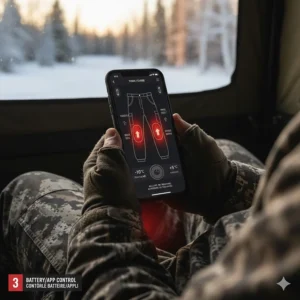
The Bluetooth control system allows temperature adjustments from your smartphone or Apple Watch without removing gloves or disturbing your setup. The built-in flashlight feature in the battery pack has proven surprisingly useful for Canadian hunters navigating dark forest trails during early-morning approaches. The phone charging capability means your GPS unit never dies mid-hunt—a genuine safety feature in remote Canadian wilderness.
✅ Pros:
- Bluetooth smartphone control
- Battery can charge devices
- Built-in flashlight
- Premium 4-way stretch fabric
- Articulated knee design
❌ Cons:
- Highest price point
- Bluetooth can drain battery faster
- Fewer heating zones than some competitors
Target User: Tech-savvy hunters, those who want device charging capability, hunters investing in top-tier gear, bow hunters needing quiet stretch fabric.
7. Gobi Heat Silent Hunter Pants – Quietest Operation
Rounding out our list, the Gobi Heat Silent Hunter Pants prioritize stealth above all else. These heated pants for late season hunting feature specially engineered silent fabric that eliminates the swishing noise that can alert game to your presence.
Key Specifications:
- Three heating zones (thighs, knees, lower back)
- Robust battery with 8-hour life expectancy
- Silent operation fabric
- Camouflage pattern suitable for Canadian terrain
Canadian Pricing: $259-$309 CAD through specialty retailers
The rugged construction withstands the abuse of thick Canadian brush, barbed wire fences, and rocky mountain terrain. Heat zones targeting thighs, knees, and lower back address the areas where tree stand hunters lose warmth fastest during extended sits. One Ontario bow hunter specifically praised these for whitetail hunting, noting he could shift position in his stand without creating fabric noise that might alert deer below.
The pants heat quickly, providing comfort within minutes of activating—essential when you’re setting up in pre-dawn darkness and need warmth immediately. The 8-hour battery life covers most Canadian hunting scenarios, from morning sits through evening approaches. The camo pattern, while not branded like Mossy Oak or Realtree, blends effectively in mixed hardwood and conifer environments common across Canada’s hunting regions.
✅ Pros:
- Exceptionally quiet fabric
- Rugged, durable construction
- Three well-placed heating zones
- Solid 8-hour battery
- Good value for performance
❌ Cons:
- Less premium feel than top-tier brands
- Generic camo pattern
- Limited availability in Canada
Target User: Bow hunters needing maximum stealth, hunters in thick brush, those who prioritize quiet operation, hunters wanting good performance without premium pricing.
🔍 Take your cold-weather hunting to the next level with these carefully selected products available in Canada. Click on any highlighted item to check current pricing and availability on Amazon.ca. These heated pants will help you stay focused and comfortable during those critical late-season hunts!
Understanding Heated Hunting Pants Technology
Modern heated hunting pants represent a significant technological leap from the chemical hand warmers and layered wool of previous generations. At their core, these garments use carbon fiber or metal alloy heating elements woven into strategic locations throughout the fabric. When powered by rechargeable lithium-ion batteries, these elements convert electrical energy into consistent, adjustable heat.
The placement of heating zones follows research into thermoregulation and blood flow. Most quality heated hunting pants feature heating elements in the thighs and lower back—areas where large blood vessels run close to the surface. Warming blood in these locations helps distribute heat throughout the entire lower body, improving overall comfort and circulation. Some advanced models add heating at the knees, particularly valuable for hunters who spend time kneeling or who suffer from joint stiffness in cold weather.
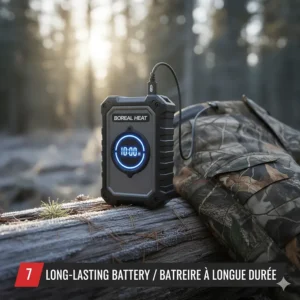
Battery technology has advanced dramatically in recent years. Modern 10,000mAh to 20,000mAh lithium-ion batteries provide sufficient power for full-day hunts while remaining light enough not to burden hunters climbing stands or hiking mountain ridges. Most quality batteries carry UL, FCC, and CE safety certifications—important considerations given Canada’s strict electrical safety standards. The batteries typically mount in dedicated pockets, positioned to minimize bulk and avoid interfering with hunting movements.
Temperature control systems range from simple three-setting buttons to sophisticated smartphone apps with Bluetooth connectivity. Most Canadian hunters find the three-level systems (low, medium, high) perfectly adequate, typically running medium for general use and high for the coldest conditions or when first settling into position. The ability to adjust heat levels helps conserve battery life—running on low can extend operation to 10-15 hours, while high settings typically provide 3-6 hours.
Why Canadian Hunters Need Heated Hunting Pants
Canadian hunting conditions present unique challenges that make heated hunting pants more than just convenient—they’re often essential for safety and success. The Canadian climate creates hunting opportunities across one of the widest temperature ranges on Earth. Alberta elk hunters might face -30°C mountain hunts, while coastal British Columbia deer hunters deal with near-freezing rain and penetrating dampness. Ontario’s late-season deer hunters endure wind chills that can cause frostbite in minutes, and Prairie waterfowl hunters sit motionless in open blinds where wind cuts through conventional insulation.
The physiology of cold-weather hunting makes supplemental heating particularly valuable. When humans remain motionless—as tree stand hunters must—metabolic heat production drops dramatically. Blood flow to extremities decreases as the body prioritizes protecting vital organs. This natural response means that even with excellent passive insulation, hunters lose warmth to their environment faster than their bodies can replace it. Research from Western Hunter magazine shows that hypothermia can begin affecting mental function when core temperature drops just 2-4 degrees Celsius—long before obvious physical symptoms appear.
Canadian hunting regulations in most provinces require blaze orange visibility during firearm seasons. Heated pants allow hunters to wear thinner outer layers while maintaining warmth, making it easier to add that required orange vest or jacket without overheating during hikes to stands. The ability to regulate temperature precisely means less need for bulky insulation that restricts movement and creates noise when stalking.
Late-season hunting—when the biggest bucks move and waterfowl migrations peak—coincides with Canada’s harshest weather. November and December in most Canadian hunting provinces bring temperatures that test the limits of conventional hunting clothing. Heated pants extend hunting time during these crucial periods, keeping hunters comfortable and focused when they’d otherwise be forced to abandon their stands or blinds prematurely. One Saskatchewan outfitter noted that clients using heated gear consistently stayed on stand 2-3 hours longer than those relying solely on traditional insulation, significantly improving their odds of success.
How to Choose Heated Hunting Pants in Canada
Selecting the right heated hunting pants for Canadian conditions involves evaluating several key factors beyond just price and appearance. Start by honestly assessing your typical hunting style and conditions.
1. Determine Your Heat Requirements Consider the coldest temperatures you regularly hunt in and how long you typically remain stationary. Tree stand hunters sitting motionless for 4-6 hours need more heating capacity than stalking hunters who generate body heat through movement. If you hunt in -20°C to -30°C conditions, prioritize models with three heating zones and high-capacity batteries.
2. Evaluate Battery Life Needs Match battery capacity to your hunting duration. Morning-only hunters who spend 3-4 hours on stand can use models with 5-7 hour battery life. All-day hunters need 10+ hour capacity. Remember that battery performance degrades in extreme cold, so build in a safety margin. Having a spare battery isn’t just convenient—it’s a safety measure in remote Canadian wilderness.
3. Consider Integration with Existing Gear Decide whether you want standalone heated pants or a base layer system that works under existing hunting pants. Standalone options offer simplicity and complete camouflage coverage. Base layers provide flexibility, allowing you to use heated elements with different outer pants for varying conditions and hunting seasons.
4. Assess Noise Levels For bow hunters or those hunting pressured game, fabric noise matters enormously. Test pants by rubbing fabric together—quality quiet fabrics produce minimal sound. Some manufacturers specifically design “silent” models with specialized fabric treatments. Remember that fabrics become noisier in extreme cold, so what sounds quiet at room temperature might crackle at -20°C.
5. Check Canadian Availability and Support Ensure products can be easily purchased and serviced in Canada. Some brands offer direct Canadian distribution with CAD pricing and fast shipping. Others require US orders with currency conversion and potentially longer delivery times. Verify warranty coverage applies to Canadian purchases and whether you’d need to ship products back to the US for warranty service.
6. Verify Size and Fit Heated pants must fit properly to function effectively. Too tight restricts blood flow (counterproductive for warmth), while too loose allows heat to escape and creates bulk under outer layers. Check whether sizing accommodates layers underneath—many Canadian hunters wear base layers plus heated pants plus outer shell pants in extreme conditions. Read reviews from verified purchasers about whether models run small, large, or true to size.
7. Examine Waterproofing and Weather Resistance Canadian hunting often involves snow, sleet, and freezing rain. Water-resistant finishes keep light precipitation from soaking through, while waterproof models handle heavier weather. Consider whether you’ll be wearing rain pants over heated pants or need them to serve as outer layers. DWR (Durable Water Repellent) treatments help moisture bead and run off but eventually wear away and need reapplication.
Benefits Comparison: Heated vs Traditional Hunting Pants
| Feature | Heated Hunting Pants | Traditional Insulated Pants |
|---|---|---|
| Warmth Duration | Consistent 8-15 hours | Degrades as body heat depletes |
| Weight | Lightweight with battery | Heavy insulation adds bulk |
| Adjustability | Temperature control 3-5 levels | Fixed insulation value |
| Moisture Management | Active heat helps dry dampness | Passive only, holds moisture |
| Mobility | Less bulk, easier movement | Thick insulation restricts motion |
| Initial Cost | $189-$399 CAD | $79-$199 CAD |
| Operating Cost | Rechargeable batteries | None |
| Versatility | Works across temp ranges | Limited to specific conditions |
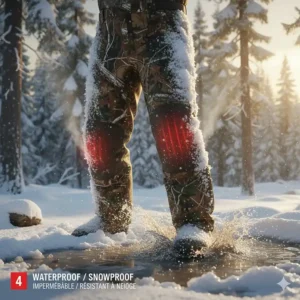
Canadian Climate Considerations for Heated Gear
Canada’s vast geography creates wildly different hunting conditions across provinces and territories. Understanding your regional climate helps select appropriate heated hunting gear.
Prairie Provinces (Alberta, Saskatchewan, Manitoba): Extreme cold with high winds characterize late-season hunting. Temperatures from -15°C to -35°C with wind chills reaching -45°C demand maximum battery capacity and three heating zones. Open terrain means less physical exertion reaching stands, so hunters stay colder longer. Prioritize models with 10+ hour battery life and windproof outer fabrics.
Ontario and Quebec: Variable conditions from moderate cold in southern regions to extreme cold in the north. Hardwood deer hunting often involves moderate cold (-5°C to -15°C) but extended immobility in tree stands. Duck hunting along the Great Lakes adds moisture and wind to the equation. Versatile models with adjustable heating work best, allowing you to dial down settings in milder conditions to extend battery life.
Atlantic Provinces: Coastal influence creates damp, penetrating cold rather than dry prairie cold. Temperatures might only reach -10°C, but high humidity makes it feel much colder. Water-resistant heated pants excel here, preventing moisture from compromising heating elements. Models with good breathability prevent sweat accumulation from hikes through thick cover.
British Columbia: Mountain elevations create extreme cold in alpine zones while coastal areas remain mild but wet. BC hunters need versatile gear spanning the widest temperature range. Consider having two systems—a heavy-duty heated pant for mountain hunts and a lighter base layer for coastal conditions.
Northern Territories: Extreme cold and remote locations make reliability paramount. Battery life becomes a safety issue when you’re far from help. Dual battery systems or the longest-life models make sense. The shorter daylight hours in fall and winter mean even “morning hunts” might occur in sub-zero darkness for extended periods.
Environment Canada weather data shows that wind chill creates the greatest danger for Canadian hunters. A -15°C day with 30 km/h winds creates a wind chill of -26°C—conditions where frostbite can occur in less than 30 minutes on exposed skin. Heated pants help maintain core temperature, allowing your body to better protect extremities. Provincial hunting regulations across Canada emphasize checking weather forecasts before heading out, but heated gear provides a safety margin when conditions deteriorate unexpectedly.
✨ Don’t Miss These Exclusive Deals!
🔍 Take your winter hunting to the next level with these carefully selected products available in Canada. Click on any highlighted item to check current pricing and availability on Amazon.ca. These tools will help you create authentic comfort your hunting partners will envy!
Proper Care and Maintenance for Heated Hunting Pants
Investing in quality heated hunting pants requires proper maintenance to ensure seasons of reliable performance. Canadian conditions—extreme cold, moisture, and rugged terrain—make careful care even more important.
Battery Management: Lithium-ion batteries perform best when maintained properly. Never store batteries completely depleted; charge to 40-60% for off-season storage. Extreme cold reduces battery capacity temporarily—warm batteries to room temperature before charging. Most manufacturers recommend against charging batteries in temperatures below 0°C. Keep spare batteries in internal pockets close to your body during hunts to maintain performance.
Washing Instructions: Always remove batteries before washing. Most heated pants handle machine washing on gentle cycles with cold water, but check specific manufacturer guidance. Use mild detergents without fabric softeners, which can damage water-resistant coatings. Air dry or tumble on low heat—never high heat, which can damage heating elements. Manufacturers typically guarantee heating elements through 50-100 wash cycles when care instructions are followed.
Storage Between Seasons: Clean pants thoroughly before storage to prevent mold and odours. Store in cool, dry locations away from direct sunlight. Avoid compressing pants in tight spaces, which can damage heating wires. Hang or store flat if possible. Check batteries periodically during off-season, charging to recommended levels every 2-3 months.
Field Repairs: Carry basic repair supplies for multi-day hunts. Duct tape can temporarily seal small tears, preventing heat loss. If heating elements fail in one zone, the pants often remain functional in other zones—enough to get you safely back. Know your battery’s charge indicators and bring spares for extended backcountry hunts.
DWR Reapplication: Water-resistant coatings wear off with use and washing. Reapply DWR treatments annually or when you notice water no longer beads on fabric surfaces. Clean pants thoroughly first, then apply spray-on or wash-in treatments following product directions. Proper DWR maintenance keeps Canadian snow and sleet from soaking through.
Layering Strategies for Maximum Warmth
Heated hunting pants work best as part of comprehensive layering systems designed for Canadian conditions. Understanding proper layering multiplies the effectiveness of heated elements while providing safety margins if batteries fail.
Base Layer: Start with moisture-wicking base layers that move sweat away from skin. Merino wool or synthetic fabrics work well. Avoid cotton, which holds moisture and accelerates heat loss. For extreme cold, consider lightweight long underwear under heated pants, creating trapped air layers that boost insulation. The heated elements warm this trapped air, creating a microclimate around your legs.
Heated Pants as Mid-Layer: When using heated pants as base layers or mid-layers, top with windproof, waterproof outer pants. This approach protects heating elements from damage while providing scent control (if outer pants are treated) and camouflage flexibility. The combination of heated mid-layer plus wind-blocking outer shell works exceptionally well in windy prairie conditions.
Heated Pants as Outer Layer: Standalone heated hunting pants in camouflage patterns can serve as outer layers in less severe conditions or when mobility matters most. Pair with heavyweight base layers underneath for adjustability—you can remove base layers if temperatures warm during the day.
Extremity Protection: Don’t forget that warm legs and core allow your body to better protect hands and feet. Pair heated pants with quality insulated boots rated for Canadian temperatures, wool or synthetic socks, and insulated gloves or mittens. Some hunters add heated gloves or boot insoles for complete warmth coverage, creating a comprehensive heated system powered by multiple batteries.
Adaptability: Canadian weather changes rapidly. Build layering systems you can adjust in the field. Being able to add or remove layers prevents both overheating during hikes (which creates dampness) and insufficient warmth during long sits. Heated pants with adjustable settings provide fine-tuning capability, letting you match output to current conditions without adding or removing physical layers.
Price Range and Value Analysis
| Price Range | Expected Features | Best For | Example Models |
|---|---|---|---|
| Budget ($189-$249 CAD) | Basic 3 heat settings, 8-10 hour battery, standard camo | Entry-level hunters, occasional use, trying heated gear | TIDEWE, NEW VIEW |
| Mid-Range ($250-$319 CAD) | Premium camo patterns, longer battery, quiet fabrics, better build quality | Regular hunters, multiple hunts per season, reliable performance | KEMIMOTO, Gobi Heat |
| Premium ($320-$399+ CAD) | Advanced features, smartphone control, longest battery, best materials, brand-name camo | Serious hunters, daily/professional use, maximum performance | ororo, Mobile Warming APX |
Value assessment depends on frequency of use. A hunter going out 3-4 times per season might find budget models perfectly adequate—$189 divided by four seasons equals roughly $47 annually, reasonable for comfort and extended hunting time. A guide or outfitter using heated pants 50+ days per season justifies premium $399 models—the superior durability, reliability, and comfort pay dividends over years of hard use.
Consider cost-per-use rather than absolute price. That $399 premium model used 40 times per season for five seasons equals roughly $2 per use—exceptional value for equipment that might make the difference between success and going home early. Budget models at $189 used 10 times might cost $19 per use, potentially higher than the premium option when considering longevity.
Canadian shipping and warranty support add hidden value. A $199 product from a Canadian retailer with fast shipping and easy returns offers better value than a $179 US product requiring currency conversion, slower shipping, and potential cross-border warranty headaches. Factor these considerations into your value assessment.
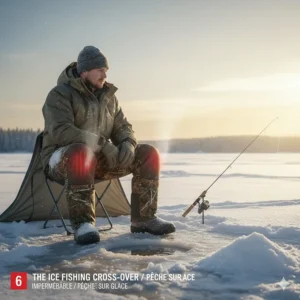
Safety Considerations for Heated Hunting Gear
While heated hunting pants provide significant benefits, Canadian hunters must understand and manage associated risks to hunt safely.
Battery Safety: Quality lithium-ion batteries from reputable manufacturers pose minimal risk when used properly. Avoid purchasing unnamed Chinese batteries without proper certifications. Look for UL, CE, FCC, and RoHS certifications proving safety testing. Never use damaged batteries showing swelling, leaking, or case damage. In extremely rare cases, lithium batteries can catch fire—carrying batteries in external pockets provides quick access to remove them if problems occur.
Overreliance on Technology: Heated pants should enhance your cold-weather clothing system, not replace it. Always pack sufficient traditional insulation to remain safe if batteries die. Canadian wilderness doesn’t forgive being unprepared. Treat heated pants as a comfort and performance enhancer with traditional gear as your safety backup.
Moisture and Electrical Elements: Quality heated pants feature waterproof or water-resistant construction protecting electrical components. However, submerging heating elements in water can cause shorts and damage. If pants become soaked crossing creeks or in heavy rain, turn off heating, remove batteries, and switch to backup clothing if available. Most heating elements tolerate dampness from snow or light rain, but complete saturation requires caution.
Hypothermia Awareness: Heated pants prevent hypothermia better than traditional gear, but hunters must still recognize warning signs. According to the Ontario Ministry of Natural Resources, shivering, confusion, slurred speech, and drowsiness indicate developing hypothermia requiring immediate action. Having warm gear prevents hypothermia but doesn’t eliminate the need for vigilance, especially when hunting alone in remote areas.
Fire Safety: Never activate heated pants near open flames, gasoline, or other flammable materials. While the heating elements reach only 45-65°C (well below combustion temperatures), damaged elements could potentially malfunction. Use common sense when warming up near camp stoves or cabin fireplaces.
First Aid Preparedness: Canadian hunters should carry basic first aid knowledge and supplies. Know how to recognize and treat cold injuries. Programs like the Canadian Red Cross wilderness first aid courses teach invaluable skills for remote hunting situations. Heated gear reduces cold injury risks but can’t eliminate them entirely.
FAQ
❓ Are heated hunting pants worth it for Canadian hunters?
❓ How long do heated hunting pants batteries last in Canadian cold?
❓ Can you wear heated hunting pants in the rain or snow?
❓ What's the best heated hunting pants for tree stand hunting in Canada?
❓ Are heated pants better than heated jackets for hunting?
Conclusion
Heated hunting pants have revolutionized late-season hunting across Canada, transforming brutal cold from a limiting factor into a manageable challenge. Whether you’re a Prairie whitetail hunter enduring -30°C wind chills, a Quebec duck hunter sitting in freezing rain, or an Alberta elk hunter glassing mountain slopes at dawn, the right heated hunting pants extend your effective season and dramatically improve your comfort and focus.
The seven models reviewed here represent the best heated hunting pants available to Canadian hunters in 2026, spanning budgets from $189 to $399 CAD. Budget-conscious hunters will find excellent value in the TIDEWE Heated Hunting Pants, while those wanting premium performance and features should consider the ororo Mossy Oak DNA or Mobile Warming APX models. For maximum battery life, the KEMIMOTO Heated Camo Pants lead the field with up to 15 hours of operation.
Remember that heated pants work best as part of comprehensive cold-weather strategies including proper layering, high-quality boots, and emergency preparedness. Technology enhances your hunting experience but doesn’t replace common sense and preparation. Always inform someone of your hunting plans, check weather forecasts, and carry backup warmth sources when hunting remote Canadian wilderness.
As Canada’s hunting seasons extend later into winter and early-season opportunities come earlier in fall, heated hunting pants transition from luxury to essential gear for serious hunters. The investment in quality heated gear pays dividends in extended hunting time, improved success rates, and most importantly, safety in conditions that would otherwise send you home early. Choose wisely, maintain properly, and enjoy countless additional hours pursuing your passion across Canada’s incredible hunting landscapes.
Recommended for You
- 7 Best Heated Ski Pants in 2026: Stay Toasty on Canada’s Slopes
- 7 Best Heated Work Pants for Construction Workers Canada 2026
- 7 Best Heated Jacket Accessories Canada 2026
Disclaimer: This article contains affiliate links to Amazon.ca. If you purchase products through these links, we may earn a small commission at no additional cost to you.
✨ Found this helpful? Share it with your hunting buddies! 💬🤗
