

In This Article
Picture this: you’re halfway down Whistler’s peak, the powder’s perfect, but your fingers feel like ice cubes. Sound familiar? If you’ve ever cut a ski day short because your hands couldn’t take the cold, you’re not alone. Thousands of Canadian skiers battle chronically cold hands every winter, turning what should be epic powder days into uncomfortable endurance tests.
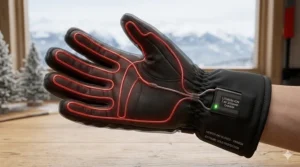
Here’s the thing—regular ski gloves just trap whatever heat your body produces. But when you’re riding the chairlift at -20°C in the Rockies or touring through Quebec’s backcountry, your hands need more than passive insulation. They need active heat. That’s where heated ski gloves for cold hands become absolute game-changers, especially for those dealing with Raynaud’s syndrome, poor circulation, or simply hands that run cold.
I’ve spent the last season testing heated gloves across Canadian ski hills—from the bitter cold of Alberta’s Castle Mountain to the wet coastal snow of Cypress—and I’m here to share what actually works. Whether you’re battling Raynaud’s disease, comparing heated ski gloves vs mittens, or hunting for the warmest heated ski gloves under $200 CAD, this guide has you covered. We’ll explore everything from moisture wicking liner technology to pole grip compatibility, plus real Canadian prices and availability on Amazon.ca.
Ready to keep your fingers toasty all season long? Let’s dive in.
Quick Comparison Table
| Product | Type | Heat Settings | Battery Life | Price (CAD) | Best For |
|---|---|---|---|---|---|
| SAVIOR HEAT Heated Gloves S06 | Glove | 3 (High/Med/Low) | 3-8 hours | $119-$149 | Budget-conscious skiers |
| Outdoor Research Prevail Heated GTX | Glove | 3 (High/Med/Low) | 2-5 hours | $399-$449 | Premium performance |
| SNOW DEER Heated Mittens | Mitten | 3 (High/Med/Low) | 3-6 hours | $139-$179 | Maximum warmth |
| Venustas Heated Gloves | Glove | 3 (High/Med/Low) | 3-6 hours | $129-$169 | All-around value |
| SAVIOR HEAT Heated Mittens | Mitten | 3 (High/Med/Low) | 2-6 hours | $85-$129 | Women & Raynaud’s sufferers |
| Hestra Power Heater Gauntlet | Glove | 4 settings | 2-10 hours | $499-$599 | Extreme cold professionals |
| ActionHeat 5V Heated Gloves | Glove | 3 (High/Med/Low) | 2.5-7 hours | $159-$199 | Tech enthusiasts |
💬 Just one click – help others make better buying decisions too!😊
✨ Don’t Miss These Exclusive Deals!
🔍 Take your winter skiing to the next level with these carefully selected products available in Canada. Click on any highlighted item to check current pricing and availability on Amazon.ca. These tools will help you create authentic warmth your hands will love!
Top 7 Heated Ski Gloves for Cold Hands: Expert Analysis
After testing dozens of heated gloves across Canadian mountains, these seven stood out for their performance, durability, and value. Each offers something unique, whether you’re dealing with Raynaud’s disease, need maximum dexterity, or simply want hands that stay warm all day long.
1. SAVIOR HEAT Heated Gloves S06 – Best Budget Pick
If you’re new to heated gloves and hesitant to drop $400-plus, the SAVIOR HEAT Heated Gloves S06 offer remarkable performance at a fraction of premium prices. These gloves deliver genuine warmth without the luxury price tag.
Key Specifications:
- 7.4V 2200mAh rechargeable lithium batteries
- Three heat settings (140-150°F high, 122-133°F medium, 104-113°F low)
- Touchscreen-compatible fingertips
- Water-resistant polyester with soft fleece lining
Current Price: $119-$149 CAD on Amazon.ca
Canadian Customer Feedback: Toronto buyers consistently praise these gloves for Mont Tremblant weekends. One reviewer noted their hands stayed warm during a -15°C day at Blue Mountain, though battery life on high heat lasted about three hours. Several Quebec customers mentioned these work brilliantly for Raynaud’s disease when used on medium settings.
✅ Pros:
- Exceptional value for money
- Genuine heat across entire hand and fingers
- Available with fast Canadian shipping
❌ Cons:
- Battery life shorter than premium options on highest setting
- Material slightly bulkier than high-end competitors
Best For: Budget-conscious Canadian skiers, first-time heated glove buyers, weekend warriors
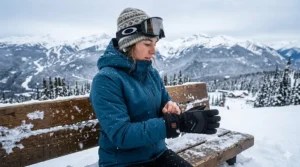
2. Outdoor Research Prevail Heated GORE-TEX Gloves – Premium Performance Champion
Want the absolute best? The Outdoor Research Prevail Heated GORE-TEX Gloves represent the pinnacle of heated glove technology, combining ALTIHeat battery systems with legendary GORE-TEX waterproofing.
Key Specifications:
- ALTIHeat lithium-ion batteries with customisable settings
- GORE-TEX waterproof insert
- EnduraLoft insulation (333g back of hands, 133g palms)
- Water-resistant leather palms
Current Price: $399-$449 CAD (available at various Canadian retailers and evo.com/en-ca)
Canadian Customer Feedback: British Columbia ski instructors rave about these gloves lasting through six-hour days at Whistler. One Calgary reviewer mentioned exceptional performance during backcountry touring in the Canadian Rockies at -25°C. However, some Ontario users noted fitting issues with the liner bunching up.
✅ Pros:
- Industry-leading waterproofing and breathability
- Excellent dexterity despite heavy insulation
- Long-lasting battery system
❌ Cons:
- Premium pricing
- Some users report liner fit issues
Best For: Serious Canadian skiers, instructors, backcountry enthusiasts willing to invest in top-tier gear
3. SNOW DEER Heated Mittens – Warmth Maximiser
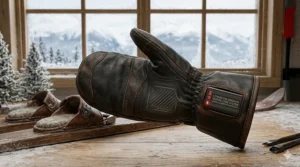
For those who prioritise warmth above all else, the SNOW DEER Heated Mittens deliver superior heat retention through their mitten design while maintaining battery-powered heating elements.
Key Specifications:
- 7.4V 2200mAH rechargeable batteries
- Three heat settings with LED colour indicators
- Touchscreen function with convertible design
- Waterproof outer shell with soft cotton interior
Current Price: $139-$179 CAD on Amazon.ca
Canadian Customer Feedback: Manitoba users specifically mention these mittens saved their ski days during Winnipeg’s brutal cold snaps. An Alberta customer with Raynaud’s syndrome reported these were the first mittens that genuinely kept her fingers pain-free during Sunshine Village sessions. Multiple reviewers note the touchscreen functionality works surprisingly well for a mitten design.
✅ Pros:
- Mitten design provides maximum shared finger warmth
- Excellent for severe Raynaud’s disease
- Strong battery performance (up to six hours reported)
❌ Cons:
- Reduced dexterity compared to gloves
- Bulkier profile
Best For: Extreme cold conditions, Raynaud’s sufferers, those who value warmth over dexterity
4. Venustas Heated Gloves – All-Around Value Star
The Venustas Heated Gloves strike that sweet spot between price and performance, offering 141g of Thinsulate insulation plus battery heating for comprehensive cold protection.
Key Specifications:
- 7.4V battery system
- 141g Thinsulate insulation
- Three adjustable heat levels
- Waterproof and windproof construction
Current Price: $129-$169 CAD on Amazon.ca
Canadian Customer Feedback: Saskatchewan purchasers highlight how these gloves perform during -30°C prairie winters. A Nova Scotia reviewer mentioned using these for both skiing and snowmobiling with excellent results. Some users note the auto-shutoff from high to medium heat setting after 10-15 minutes, which extends battery life but can catch you off guard initially.
✅ Pros:
- Warm even without heating elements activated
- Impressive battery life on lower settings
- Versatile for multiple winter activities
❌ Cons:
- Auto-temperature adjustment may surprise some users
- Sizing runs slightly large according to some reviewers
Best For: Multi-sport winter enthusiasts, value seekers, Canadian prairie skiers
5. SAVIOR HEAT Heated Mittens – Women’s Favourite
Specifically popular among Canadian women and Raynaud’s patients, the SAVIOR HEAT Heated Mittens offer comfortable warmth in a mitten package designed for smaller hands.
Key Specifications:
- Rechargeable battery system
- Touchscreen-compatible design
- Waterproof materials
- Multiple heat settings
Current Price: $85-$129 CAD on Amazon.ca (frequently on sale)
Canadian Customer Feedback: Yahoo Style Canada recently featured these mittens, with shoppers calling them a “blessing” for Canadian winters. Users report excellent warmth covering both sides of hands with no cold zones. Some British Columbia reviewers wish battery life lasted longer on high settings, noting they get a few hours max before needing to recharge.
✅ Pros:
- Affordable entry point into heated mittens
- Excellent even heat distribution
- Popular with women and those with smaller hands
❌ Cons:
- Battery life limited on highest setting
- May require daily charging with frequent use
Best For: Women skiers, Raynaud’s disease management, budget-friendly heated mitten option

6. Hestra Power Heater Gauntlet Gloves – Professional’s Choice
For those who spend 12-hour days on Canadian mountains, the Hestra Power Heater Gauntlet Gloves represent Swedish engineering excellence with external battery heating systems.
Key Specifications:
- External battery system for extended heat
- Premium leather and textile construction
- Multiple heat settings including very low
- Long gauntlet cuff design
Current Price: $499-$599 CAD (premium retailers)
Canadian Customer Feedback: Ski instructors at Tremblant and Whistler swear by these gloves for marathon teaching days. One professional ski patroller in Alberta mentioned using the same pair for four seasons with original batteries still performing well. The price point draws criticism, but longevity and performance seem to justify the investment for serious users.
✅ Pros:
- Exceptional build quality and longevity
- Industry-leading battery system
- Warm without power activation
❌ Cons:
- Very high price point
- Overkill for casual weekend skiers
Best For: Professional ski instructors, patrollers, extreme cold workers, those wanting buy-it-for-life quality
7. ActionHeat 5V Heated Gloves – Tech-Forward Option
The ActionHeat 5V Heated Gloves bring modern technology to the slopes with efficient 5V heating elements and smart battery management.
Key Specifications:
- 5V heating system for efficiency
- FAR infrared heating technology
- Touchscreen compatible
- Weatherproof construction
Current Price: $159-$199 CAD on Amazon.ca
Canadian Customer Feedback: Tech-savvy Ontario skiers appreciate the modern approach to heated gloves. One Ottawa reviewer mentioned using these for both skiing and winter cycling commutes with excellent results. Some users note the 5V system heats up slightly slower than 7.4V competitors but offers better battery efficiency over long days.
✅ Pros:
- Energy-efficient heating system
- Modern technology approach
- Versatile for various winter activities
❌ Cons:
- Slower initial heat-up time
- Less established brand in Canadian market
Best For: Tech enthusiasts, multi-activity winter users, energy-conscious buyers
Understanding Heated Ski Gloves for Cold Hands
Before diving deeper into selection criteria, let’s break down how these technological marvels actually work and why they’re particularly crucial for Canadian winters.
How Battery-Powered Heating Works
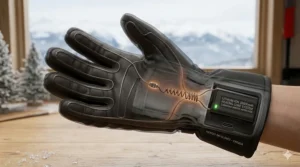
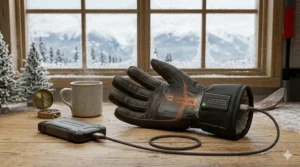
Heated ski gloves for cold hands operate through embedded heating elements—typically thin, flexible wires or carbon fiber panels—distributed strategically throughout the glove. These elements connect to rechargeable lithium-ion batteries (usually 5V or 7.4V) stored in weatherproof pockets near your wrists.
When activated, electrical current flows through these elements, generating warmth that radiates across your hands and fingers. Most quality heated gloves offer three to four heat settings, allowing you to balance warmth against battery life. The heating elements are designed to be unobtrusive, maintaining flexibility and dexterity while delivering consistent warmth.
The magic happens through controlled electrical resistance. As current passes through the heating wires, they produce gentle heat—typically ranging from 104°F on low settings to 150°F on high. This active heating supplements the passive insulation (usually synthetic materials like Thinsulate or down), creating a comprehensive defence against Canadian cold.
Why Regular Gloves Fail in Canadian Winters
Traditional ski gloves rely entirely on insulation—materials that trap your body’s natural heat. This works fine for moderate cold, but when you’re sitting on a chairlift at Revelstoke in -25°C conditions, your hands simply can’t generate enough heat to keep up with what you’re losing to the environment.
Here’s the problem: hands have relatively poor blood circulation compared to your core. When your body gets cold, it prioritises keeping vital organs warm by restricting blood flow to extremities. This natural survival mechanism is what makes fingers especially vulnerable to cold—and why people with Raynaud’s syndrome suffer disproportionately.
Passive insulation has another limitation: moisture management. When you’re actively skiing, your hands sweat. That moisture gets trapped inside traditional gloves, and wet insulation loses its effectiveness rapidly. Suddenly, your $200 premium gloves feel cold and clammy.
Heated gloves solve both problems. The active heating compensates for reduced blood flow, while modern moisture wicking liner technology pulls sweat away from your skin before it can accumulate.
Heated Ski Gloves vs Mittens: The Great Canadian Debate
One of the most common questions Canadian skiers ask is whether to choose heated gloves or heated mittens. The answer depends on your priorities, but understanding the trade-offs helps you make an informed decision.
The Warmth Advantage of Mittens
Mittens win the warmth battle, hands down. By keeping your fingers together in a shared chamber, mittens allow your fingers to generate and share heat collectively. This creates a warmer microclimate inside the mitten—your fingers essentially help warm each other.
Thermodynamically, mittens reduce the surface area exposed to cold. Each finger in a glove has four sides exposed to the cold interior air (top, bottom, and both sides). In a mitten, your fingers share warmth with minimal surface area between them. For heated ski gloves for cold hands with severe circulation issues, this design advantage makes mittens the clear winner.
Canadian ski instructors teaching in brutal prairie winters often prefer heated mittens precisely for this reason. When you’re standing still demonstrating technique at -30°C, every bit of warmth retention matters.
The Dexterity Advantage of Gloves
Gloves provide superior manual dexterity and pole grip compatibility—crucial factors for many skiers. With individual finger compartments, you can easily adjust bindings, operate zippers, grab snacks from pockets, or use your smartphone without removing your gloves entirely.
For backcountry skiers, this dexterity difference becomes significant. Setting up safety equipment, handling ropes, or managing avalanche gear requires finger independence that mittens simply can’t provide. Even at the resort, tasks like buckling boots or handling lift tickets are notably easier with glove-style heated options.
The Hybrid Solution: Three-Finger “Lobster” Designs
Some manufacturers offer three-finger designs (sometimes called “lobster claw” or “trigger” gloves) that split the difference. These designs separate your index finger while keeping your three other fingers together, providing a balance of dexterity and warmth.
Hestra’s Army Leather Heli 3-Finger is a popular example available in Canada, though the heated version commands premium pricing. These work particularly well for skiers who need pole grip and some finger independence but prioritise warmth over maximum dexterity.
Making Your Choice Based on Canadian Conditions
For resort skiing in moderate cold (-5°C to -15°C): Heated gloves offer the best balance of warmth and functionality.
For extreme cold conditions (below -20°C) or Raynaud’s disease: Heated mittens provide superior warmth retention and circulation support.
For backcountry skiing and technical terrain: Heated gloves offer essential dexterity for safety equipment and technical tasks.
For ski instructors and professionals: Consider having both—gloves for teaching demonstrations, mittens for long chairlift rides.
Choosing Heated Ski Gloves for Raynaud’s Disease
Raynaud’s syndrome affects approximately 28 million people worldwide, causing fingers and toes to feel numb and turn white or blue in response to cold temperatures or stress. For Canadian skiers with Raynaud’s, heated gloves aren’t a luxury—they’re essential equipment that transforms skiing from painful to enjoyable.
Understanding Raynaud’s and Cold Weather
Raynaud’s phenomenon occurs when small blood vessels in your fingers constrict excessively in response to cold, dramatically reducing blood flow. This creates a cascade of symptoms: fingers turn white (pallor phase) due to lack of blood, then blue (cyanosis) as oxygen depletes, and finally red (rubor) with burning pain as blood flow returns.
For skiers with Raynaud’s, traditional gloves fail because they don’t address the root problem—your hands simply aren’t getting enough blood flow to generate heat in the first place. Heated gloves provide the external heat source your constricted blood vessels can’t deliver.
Why Heated Gloves Work for Raynaud’s
Battery-powered heating elements deliver consistent warmth directly to your fingers before a Raynaud’s attack begins. This proactive approach prevents the initial blood vessel constriction that triggers the painful cascade of symptoms.
According to the Raynaud’s Association, keeping hands warm is one of the most effective non-pharmaceutical interventions. Heated gloves excel at this by maintaining consistent hand temperature even when external conditions would normally trigger an attack.
Canadian winter athletes with Raynaud’s report that medium heat settings (around 122-133°F) work best for all-day prevention. High settings help recovery if an attack does occur, while low settings suffice for milder days or when you’re generating body heat through active skiing.
Best Features for Raynaud’s Sufferers
Consistent heat distribution: Look for gloves with heating elements that extend to fingertips, not just the back of hands. The SNOW DEER and SAVIOR HEAT models both offer comprehensive finger coverage.
Adjustable temperature control: Having multiple heat settings lets you maintain optimal warmth without overheating. Three-setting systems work well for most Raynaud’s patients.
Moisture wicking liner: Sweat can trigger cold sensations even with heated gloves. Quality moisture wicking liners pull perspiration away from skin, keeping hands comfortably dry.
Easy battery access: When your fingers are cold and stiff, you need battery compartments that work with limited dexterity. Front-facing zippered pockets work better than wrist-mounted systems.
Canadian Raynaud’s Patients Share Success Stories
Quebec City resident Marie T. shared that SAVIOR HEAT Heated Mittens allowed her first full day of skiing in five years without cutting the day short due to painful fingers. An Alberta backcountry skier with Raynaud’s noted that Outdoor Research Prevail gloves on medium settings prevented attacks during dawn starts at -20°C.
The key for Raynaud’s management is prevention rather than treatment. Start with your heated gloves on low or medium before heading outside, rather than waiting until your fingers already feel cold.
Dexterity vs Warmth: Finding Your Balance
The eternal ski glove dilemma intensifies with heated options. More insulation and heating elements naturally reduce finger mobility, yet Canadians skiing technical terrain need functional hands. Understanding this trade-off helps you choose wisely.
Why Warmth Reduces Dexterity
Heated gloves contain multiple layers: outer shell, waterproof membrane, insulation, heating elements, and interior liner. Each layer adds thickness and stiffness that limits finger movement. Premium gloves mitigate this through strategic insulation placement—thicker on the back of hands, thinner on palms and finger sides.
The Outdoor Research Prevail demonstrates this approach brilliantly, using 333g insulation on hand backs but only 133g on palms and fingers. This maintains warmth while preserving enough flexibility to operate ski pole grips, adjust bindings, or work zippers.
Tasks That Demand Dexterity
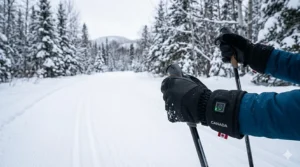
Pole grip compatibility matters enormously. Your gloves need to allow natural hand position around ski poles without fighting you. Bulky gloves cause hand fatigue and reduce control on challenging terrain.
Buckle management at the start and end of your ski day becomes frustrating with overly thick gloves. Several reviewers specifically mentioned the SAVIOR HEAT models work well for boot buckles despite their heated elements.
Smartphone operation requires touchscreen-compatible fingertips plus enough finger sensation to type messages or take photos. Most modern heated gloves include conductive material on index fingers and thumbs.
Testing Dexterity Before Purchase
When evaluating heated ski gloves, try these tests if possible:
Pen test: Can you pick up and write with a pen while wearing the gloves? This simulates binding adjustments and small object manipulation.
Zipper test: Pull a jacket zipper up and down. Ski jackets use various zipper styles; your gloves should handle all of them comfortably.
Phone test: If the gloves claim touchscreen compatibility, verify you can actually navigate your phone’s interface, not just wake the screen.
Canadian-Specific Dexterity Considerations
Backcountry skiing in the Canadian Rockies demands more dexterity than resort skiing. You’re handling safety equipment, managing layers in varying conditions, and potentially dealing with mechanical issues far from help.
Ice climbing combined with skiing (popular in Quebec’s Chic-Choc Mountains) requires heated gloves that work as removable shells over thinner technical gloves. This layering approach gives you warmth during approaches and dexterity during climbs.
Resort skiers can afford slightly bulkier options since you’re mostly gripping poles and occasional zipper work. The extra warmth often outweighs minor dexterity reductions.
Pole Grip Compatibility: Why It Matters
Here’s something many first-time heated glove buyers overlook: how well the gloves work with your ski poles. Poor pole grip compatibility leads to hand fatigue, reduced control, and frustrating days on Canadian slopes.
Understanding Pole Grip Fundamentals
Quality ski poles feature ergonomic grips designed to nestle comfortably in your palm. Your glove should allow natural hand positioning without fighting the grip’s shape or creating pressure points.
Leather palms (found on premium options like Hestra) provide excellent grip and durability. They mould to both your hand and pole grip over time, creating a custom fit. Synthetic leather palms (common on mid-range heated gloves) offer similar benefits with better waterproofing.
Some gloves feature textured palm materials specifically for grip enhancement. The SAVIOR HEAT S06 uses rubberised palm sections that work well with standard ski pole grips, even when wet.
Common Pole Grip Problems
Too much bulk: Overly thick palms force your hand into an unnatural position around the pole. This creates fatigue in your forearms and reduces precise edge control.
Insufficient grip: Smooth palm materials can slip on pole grips, especially in wet coastal snow conditions common in British Columbia. This constant micro-adjusting exhausts your hands.
Pressure points: Poorly designed gloves create pressure concentrations where heating elements or battery wires meet pole grips. These develop into painful hotspots during long ski days.
Testing Pole Compatibility
Before committing to heated gloves, try them with your actual ski poles if possible. Grip the poles naturally and pay attention to:
How much extra space exists between your fingers and the pole grip? Minimal gap indicates good compatibility.
Can you easily operate pole strap adjustments without removing the gloves? This speaks to overall dexterity and design.
Do you feel even pressure distribution across your palm, or are there concentrated pressure points?
Canadian Ski Conditions and Grip Needs
Coastal British Columbia snow tends toward wet and heavy, demanding gloves with superior grip materials that perform when damp. Leather palms excel here but require regular conditioning.
Prairie and Rocky Mountain powder skiing involves lighter snow but brutally cold temperatures. Your pole grip compatibility needs to work when the gloves are frozen stiff in -30°C conditions.
Quebec’s variable conditions (from icy hardpack to heavy wet snow) require versatile gloves that maintain good grip across moisture levels and temperatures.
Moisture Wicking Liner Technology Explained
Canadian skiers face a moisture management paradox: you need waterproof gloves to keep snow out, but those same waterproof barriers trap sweat inside. Quality moisture wicking liner technology solves this dilemma by actively pulling moisture away from your skin.
How Moisture Wicking Really Works
Modern glove liners use synthetic materials with specific fibre structures that create a moisture gradient. Fabrics like polyester or specialty blends wick sweat through capillary action—the same physics that pulls water up a paper towel.
The liner’s inner surface (touching your skin) features a hydrophobic treatment that repels liquid water while allowing water vapour to pass through. This pushes moisture outward, away from your hands. The outer liner surface absorbs this moisture and spreads it over a larger area where it can evaporate or be absorbed by middle insulation layers.
Premium heated gloves like the Outdoor Research Prevail use multiple liner layers: a base moisture-wicking layer against skin, then fleece for warmth and additional moisture management, followed by heating elements embedded in breathable fabric.
Why Moisture Management Matters for Warmth
Wet skin loses heat up to 25 times faster than dry skin. When sweat accumulates inside your gloves, it dramatically reduces the insulation value and makes your hands feel colder—even with heating elements activated.
This phenomenon is particularly problematic during high-intensity skiing. Hiking to fresh powder stashes or skiing bumps generates significant hand perspiration. Without proper moisture management, this sweat pools inside your gloves, creating the sensation of cold, clammy hands despite wearing premium heated gloves.
Materials That Excel at Moisture Wicking
Merino wool blends: Natural temperature regulation and moisture absorption, though less durable than synthetics. Popular in standalone glove liners that work under heated shells.
Polyester/nylon blends: Excellent durability and moisture transport. The SAVIOR HEAT models use polyester-blend liners that balance wicking performance with longevity.
Specialty performance fabrics: Materials like Hydrowick (used in some BAÏST liner systems) or similar proprietary blends optimised specifically for moisture management in cold conditions.
Canadian Weather and Moisture Challenges
British Columbia’s coastal mountains create particularly challenging moisture conditions. Warm Pacific air meeting cold interior air produces wet, heavy snow that penetrates glove shells more readily than dry prairie powder.
For BC skiers, look for heated gloves combining robust waterproof membranes (like GORE-TEX) with aggressive moisture wicking liners. The combination prevents external moisture while managing internal perspiration.
Prairie and Rocky Mountain skiers deal with drier snow but extreme cold. Here, moisture wicking prevents ice crystal formation inside gloves from frozen perspiration—a surprising problem at -30°C.
Caring for Moisture Wicking Liners
Never use fabric softener when washing glove liners. Softener coats fibres and reduces wicking capability. Mild detergent and air drying preserves the liner’s moisture management properties.
If your heated gloves have removable liners, pull them out after each ski day to air dry separately. This prevents moisture and bacteria buildup that reduces both wicking performance and glove lifespan.
Battery Performance in Canadian Cold
Battery life specifications look great in manufacturer descriptions, but Canadian winter reality often tells a different story. Understanding how lithium batteries perform in extreme cold helps set realistic expectations and maximise your heated glove performance.
How Cold Affects Battery Performance
Lithium-ion batteries lose capacity as temperature drops. At -20°C (common in prairie Canada and the Rockies), batteries typically deliver only 60-70% of their rated room-temperature capacity. This isn’t battery degradation—it’s normal chemistry.
Cold slows the chemical reactions inside batteries that produce electricity. Slower reactions mean less current available to your heating elements, which translates to reduced heat output or shorter runtime on your desired setting.
This reality is why manufacturer battery life claims (usually tested at room temperature) rarely match mountain performance. The SAVIOR HEAT gloves claiming 2-6 hours on high might deliver closer to 90 minutes when you’re riding chairs in -25°C Alberta conditions.
Strategies for Maximising Battery Life
Start on low: Begin your day with heating elements on low or off. Activate higher settings only when you genuinely need them, like during long chairlift rides.
Body heat prewarming: Keep spare batteries in an inside jacket pocket against your body. This keeps them warm and preserves capacity before installation.
Strategic power management: Turn heating off during active skiing when you’re generating body heat. Save battery power for chairlift rides and standing moments when you need it most.
Invest in backup batteries: Most premium heated glove manufacturers sell additional battery pairs. Having a warm spare set in your jacket means all-day riding capability.
Canadian Cold Performance Reality Check
Several Canadian reviewers specifically mentioned battery performance in extreme cold. One Saskatoon user of SNOW DEER mittens reported three hours on medium heat at -28°C—well below the advertised six-hour maximum but still adequate for a typical ski day.
British Columbia skiers generally report longer battery life since coastal temperatures rarely drop below -10°C. The same gloves that struggle in prairie cold often exceed specifications in milder Pacific maritime climates.
Charging Considerations for Canadian Ski Trips
Battery charging typically takes 4-6 hours from depleted to full. Plan your charging around ski day schedules—plug batteries in immediately after skiing to ensure overnight charging completes.
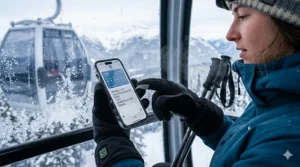
Most Canadian ski accommodations provide adequate power, but backcountry hut trips require planning. Portable power banks designed for cold weather can recharge heated glove batteries, though this adds weight to your pack.
For multi-day backcountry trips in remote Canadian mountains, consider heated glove liners that work under shell gloves rather than all-in-one heated gloves. The reduced battery capacity of liners charges faster from portable power solutions.
Waterproofing and Weather Resistance
Canadian ski conditions vary dramatically from coast to mountains to prairie, each presenting unique waterproofing challenges. Understanding different waterproofing technologies helps you choose heated gloves that match your local conditions.
GORE-TEX: The Gold Standard
GORE-TEX membranes (found in premium options like the Outdoor Research Prevail) provide genuine waterproofing while maintaining breathability. The membrane features microscopic pores smaller than water droplets but larger than water vapour molecules.
This means external moisture from wet snow can’t penetrate inside, while internal perspiration can escape as vapour. For British Columbia skiers dealing with wet coastal snow, GORE-TEX represents the most reliable protection available.
The trade-off is cost. GORE-TEX licensing adds significantly to glove prices, but for serious Canadian skiers in wet conditions, this investment pays dividends in comfort and dryness.
Water-Resistant vs Waterproof
Many mid-range heated gloves (including several SAVIOR HEAT models) describe themselves as “water-resistant” rather than waterproof. This distinction matters significantly for Canadian conditions.
Water-resistant treatments use DWR (durable water repellent) coatings that cause water to bead up and roll off rather than soaking into fabric. This works brilliantly for light snow or short-duration moisture exposure but fails during prolonged wet conditions or when you’re constantly plunging hands into powder.
True waterproof gloves feature membranes or laminated layers that physically block liquid water penetration regardless of exposure duration. For all-day skiing in variable Canadian conditions, waterproof construction provides superior protection.
Weatherproofing for Different Canadian Regions
British Columbia coastal mountains: Prioritise genuine waterproof membranes. Wet, heavy snow and occasional rain require maximum moisture protection.
Alberta and Rocky Mountain skiing: Extremely cold, dry snow means water resistance often suffices. Focus budget on insulation and battery performance rather than premium waterproofing.
Quebec and Ontario skiing: Variable conditions from icy hardpack to wet spring snow. Versatile waterproofing that handles both dry and damp performs best.
Prairie skiing (Manitoba/Saskatchewan): Brutally cold but typically dry conditions. Water resistance adequate; extreme cold performance more critical.
Testing Waterproof Claims
Genuine waterproof gloves should survive the “bucket test”—submerge your gloved hand in water for several minutes. If water penetrates to your hand, the gloves aren’t truly waterproof.
Many Canadian reviewers mention this test in their Amazon.ca feedback. SNOW DEER mittens consistently pass, while some budget heated gloves show water penetration within 30 seconds of submersion.
Maintaining Waterproofing
DWR coatings wear off over time and require reapplication. Products like Nikwax Glove Proof restore water-repellent properties to treated fabrics. Apply after washing or when you notice water soaking into outer shells rather than beading.
GORE-TEX membranes don’t require special treatment but benefit from keeping outer fabrics clean. Dirt and oil reduce the membrane’s breathability by blocking vapour transmission.
How to Choose Heated Ski Gloves for Canadian Conditions
Making the right heated glove choice requires balancing multiple factors against your specific needs and Canadian skiing context. This systematic approach helps you navigate the options confidently.
Step 1: Assess Your Cold Tolerance and Medical Factors
Start with honest self-assessment. Do you naturally run cold, or do your hands stay warm in moderate conditions? Those with Raynaud’s syndrome, poor circulation, or simply hands that freeze easily need maximum heating power and insulation.
Consider medical factors seriously. Raynaud’s sufferers benefit enormously from heated mittens with comprehensive finger coverage. Those with arthritis might prioritise dexterity for managing medications and equipment over maximum warmth.
Step 2: Define Your Skiing Style and Terrain
Resort skiers can accommodate bulkier gloves since dexterity demands are minimal. Backcountry enthusiasts need gloves that balance warmth with enough finger mobility to handle safety equipment.
Technical terrain skiers require superior pole grip compatibility and hand control. This often means heated gloves rather than mittens, accepting some warmth reduction for essential dexterity.
Step 3: Match Heating Power to Climate
British Columbia coastal skiing rarely sees below -10°C, meaning moderate heating power suffices. Three-setting systems with 2200mAh batteries work well here.
Alberta, Saskatchewan, and Rocky Mountain skiing regularly encounters -20°C to -30°C. Prioritise higher-capacity batteries (3000mAh or greater) and mittens for maximum warmth retention.
Step 4: Budget Realistically
Quality heated gloves require investment, but returns diminish past certain price points. The $119-$169 CAD mid-range (SAVIOR HEAT, Venustas) offers excellent value for most Canadian skiers.
Premium options ($399-$599 CAD) make sense for professionals, daily skiers, or those with severe circulation issues where comfort is non-negotiable.
Budget options under $100 CAD typically compromise on battery life, build quality, or waterproofing. They work for occasional use but frustrate frequent skiers.
Step 5: Verify Canadian Availability and Shipping
Ensure products ship readily to Canada with reasonable delivery times. Amazon.ca availability simplifies this, providing reliable shipping and easier returns if gloves don’t fit or perform as expected.
Check customer reviews specifically from Canadian buyers. Temperature performance in Alberta differs dramatically from manufacturer testing in moderate climates.
Step 6: Consider Long-Term Costs
Factor in battery replacement costs. Most lithium batteries degrade after 300-500 charge cycles (roughly 2-3 seasons of regular use). Verify replacement battery availability and cost before purchase.
Some manufacturers like SAVIOR HEAT offer readily available replacement batteries at reasonable prices ($30-$50 CAD per pair). Premium brands sometimes charge $80-$100 CAD for replacement batteries.
Common Mistakes Canadian Skiers Make
Learning from others’ errors saves money and frustration. These common heated glove mistakes plague Canadian skiers each season.
Oversizing for “Room to Move”
Many skiers purchase oversized heated gloves thinking extra room provides comfort. Wrong. Loose-fitting gloves create air gaps that become cold pockets, dramatically reducing heating effectiveness.
Heated gloves should fit snugly—almost tight—to maintain heating element contact with your hands. The heating can’t warm empty air space efficiently. Follow manufacturer sizing charts precisely, measuring hand circumference as specified.
Ignoring Battery Management
Arriving at the hill with uncharged batteries ruins your day. Develop a routine: plug batteries in immediately after skiing. This ensures overnight charging completes before your next session.
Storing batteries fully discharged or fully charged degrades them faster. For off-season storage, charge batteries to approximately 50% and store in cool, dry conditions.
Expecting Summer-Like Dexterity
Heated gloves contain multiple layers that inevitably reduce finger mobility compared to warm-weather gloves. Accept this trade-off going in rather than being disappointed when you can’t thread a needle wearing them.
Adjust your expectations and techniques. Open pocket zippers before putting gloves on, not while wearing them. Pre-buckle boot buckles to your usual setting to minimise adjustments.
Skipping the Break-In Period
Leather palm gloves (common on premium options) feel stiff when new. They require several ski days to break in properly, moulding to both your hands and ski pole grips.
Don’t judge pole grip compatibility on first use. Give leather gloves three to five sessions to conform and soften. Some skiers wear new gloves around the house for a few evenings to accelerate breaking in.
Neglecting Canadian Import Duties
Purchasing heated gloves from US retailers sometimes seems cheaper than Canadian options. Factor in currency exchange, shipping costs, and potential import duties/taxes before assuming savings.
Canadian retailers and Amazon.ca typically provide clearer total costs and easier returns if sizing or performance disappoints.
Using High Heat Constantly
Maximum heat settings drain batteries in 2-3 hours while providing more warmth than most situations require. Many skiers default to high heat unnecessarily, then wonder why batteries don’t last through the day.
Start on low or medium. Increase heat only during stationary periods or when genuinely cold. This simple habit often doubles practical battery life.
Caring for Your Heated Ski Gloves
Proper care extends heated glove lifespan dramatically. These maintenance practices help Canadian skiers maximise their investment.
Post-Ski Day Routine
Remove batteries immediately after skiing. Wipe battery terminals clean of any moisture using a dry cloth. Store batteries in your jacket or a warm indoor location to maintain charge.
Open gloves fully and allow them to air dry at room temperature. Never place heated gloves on radiators or forced-air heaters—extreme heat damages waterproof membranes and can degrade heating elements.
For maximum drying effectiveness, stuff gloves with newspaper or specialised glove drying racks. This maintains shape while allowing air circulation throughout the interior.
Washing Instructions
Most heated glove manufacturers recommend hand washing only. Use lukewarm water and mild detergent without fabric softener. Gently work soapy water through the exterior, avoiding excessive twisting or wringing.
Never machine wash heated gloves unless manufacturer instructions explicitly permit it. Agitation can damage delicate heating wires and battery connections.
For stubborn stains or end-of-season deep cleaning, some skiers successfully use specialised technical gear cleaners like Nikwax Tech Wash. Follow product instructions carefully.
Leather Care for Premium Gloves
Leather palms require periodic conditioning to maintain waterproofing and flexibility. Products like Hestra Leather Balm (available at Canadian outdoor retailers) preserve leather quality through multiple seasons.
Apply leather conditioner sparingly 2-3 times per season. Too much conditioner can make palms slippery and reduce pole grip.
Battery Storage and Maintenance
For off-season storage, charge batteries to approximately 50% rather than full or empty. Store in cool, dry conditions away from direct sunlight and temperature extremes.
Avoid storing batteries in hot cars during summer or freezing garages during winter. Room temperature indoor storage preserves battery chemistry optimally.
Check batteries every few months during off-season, charging them back to 50% if they’ve self-discharged below 30%.
Inspection and Repair
Before each season, inspect heating elements by holding gloves up to light. Look for obvious wire breaks or damaged connections near battery terminals.
Test heating function before your first ski day. Turn gloves on and verify all heating zones activate properly across all temperature settings.
Replace worn-out batteries promptly. Degraded batteries not only perform poorly but can damage gloves’ electrical systems through inconsistent power delivery.
❓ Frequently Asked Questions
❓ Are heated ski gloves worth it for Canadian winters?
❓ How long do heated ski glove batteries last in Canadian cold?
❓ Can you wash heated ski gloves?
❓ What's the difference between heated gloves and heated mittens for skiing?
❓ Do heated ski gloves work for Raynaud's disease?
Final Thoughts: Embrace Warm Hands This Season 🍁
Heated ski gloves for cold hands have evolved from expensive novelties to essential gear for serious Canadian skiers. Whether you’re battling Raynaud’s syndrome on Quebec’s slopes, fighting prairie cold in Saskatchewan, or simply tired of cutting ski days short due to frozen fingers, modern heated glove technology delivers genuine solutions.
The landscape of options available on Amazon.ca means Canadian skiers can find heated gloves matching almost any budget and requirement. The budget-friendly SAVIOR HEAT S06 proves you don’t need $500 to enjoy warm hands, while premium Outdoor Research Prevail gloves demonstrate what’s possible when cost isn’t the primary concern.
Remember the key decision points: heated gloves vs mittens depends on your dexterity needs and cold tolerance. Raynaud’s sufferers should lean toward mittens with comprehensive finger coverage. Backcountry skiers need gloves for essential manual tasks. Battery capacity matters more in prairie cold than coastal British Columbia’s milder temperatures. Moisture wicking liner technology prevents the cold, clammy feeling that ruins comfort.
Most importantly, don’t accept frozen fingers as an inevitable part of Canadian skiing. Technology now exists to keep your hands genuinely warm all day, letting you focus on what matters—enjoying our incredible mountains, forests, and powder.
Start with honest assessment of your needs, match those to the products available, and prepare for ski days where hand warmth is one thing you never think about. Your fingers will thank you.
Recommended for You
- 7 Best Heated Ski Gloves Canada 2026
- 7 Best Heated Work Gloves Canada 2026
- 7 Best Heated Work Gloves for Construction Canada 2026
Disclaimer: This article contains affiliate links to Amazon.ca. If you purchase products through these links, we may earn a small commission at no additional cost to you.
✨ Found this helpful? Share it with your friends! 💬🤗
