
In This Article
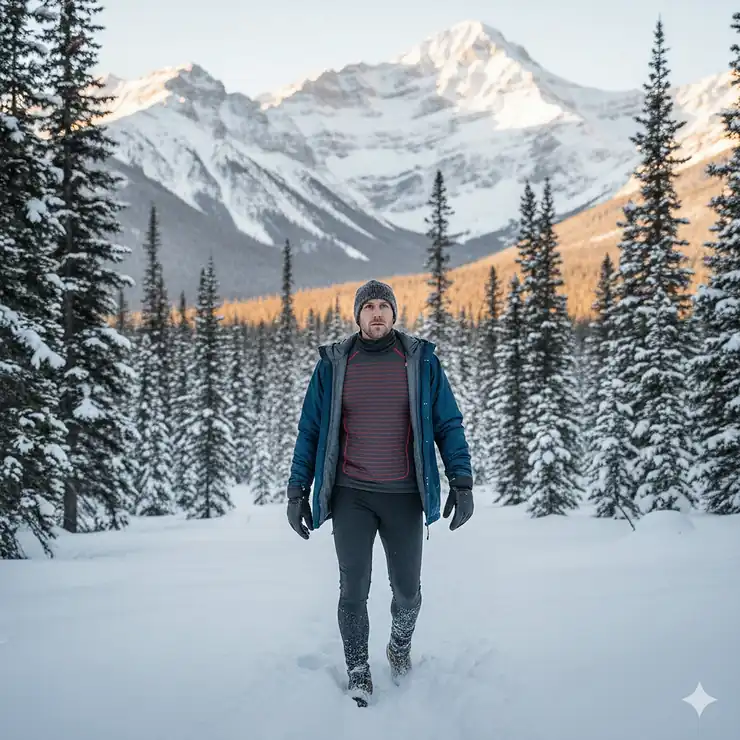
Canadian winters aren’t for the faint of heart. Whether you’re braving a -30°C prairie windstorm in Saskatchewan, ice fishing on Georgian Bay, or skiing Whistler’s backcountry, staying warm isn’t just about comfort—it’s about safety. Traditional thermal underwear has served us well for decades, but let’s face it: sometimes wool and synthetics just don’t cut it when you’re spending hours in the elements.
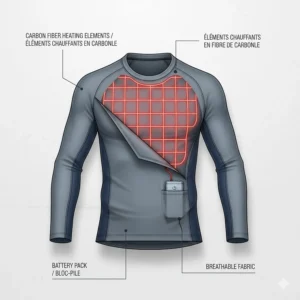
Enter the heated base layer—a game-changing innovation that combines active heating technology with moisture-wicking fabrics. Unlike your grandfather’s long johns that simply trapped body heat, today’s heated base layer systems generate warmth through integrated carbon fiber heating elements powered by rechargeable lithium-ion batteries. Think of it as wearing a personal heating system next to your skin, delivering consistent warmth exactly where you need it most.
What makes a heated base layer different from regular thermal underwear? The secret lies in strategically placed heating zones across your chest, back, and core. These panels deliver targeted warmth for 2-10 hours depending on your heat setting, keeping your core temperature regulated without the bulk of multiple layers. For Canadians who work outdoors, pursue winter sports, or simply refuse to let winter dictate their activities, heated base layers have become essential gear.
In this comprehensive guide, I’ll walk you through everything you need to know about choosing the perfect heated base layer system for Canadian conditions. We’ll compare the top 7 products available on Amazon.ca, break down features that matter most, and help you understand which heating technology delivers the best performance for your specific needs.
Quick Comparison Table
| Product | Heat Zones | Battery Life | Price Range (CAD) | Best For |
|---|---|---|---|---|
| ActionHeat 5V Base Layer Set | 3 zones | 2-4.5 hours | $109-$159 | Active outdoor activities |
| AMOVO Heated Thermal Shirt | 3 zones | 3-6 hours | $65-$98 | Budget-conscious buyers |
| Fieldsheer Merino Heated Base | 3 zones | 2-10 hours | $180-$250 | Premium performance seekers |
| Volt Resistance Tactical Base | 5V system | 4-8 hours | $120-$175 | Motorcycle & cycling |
| USB Heated Thermal Set 22-Zone | 22 zones | 4-8 hours | $75-$115 | Maximum coverage |
| FNDN Heated Skin-Fit Layer | Multi-zone | 4-6 hours | $140-$195 | Slim-fit preference |
| Gobi Heat Basecamp Layer | 4 zones | 3-8 hours | $125-$185 | Versatile layering |
💬 Just one click – help others make better buying decisions too! 😊
Top 7 Heated Base Layers: Expert Analysis for Canada
1. ActionHeat 5V Battery Heated Base Layer Set
The ActionHeat 5V system has become a Canadian favourite for good reason. This American-made heated base layer features three strategically placed heating panels on the chest and back, delivering consistent warmth through FAR infrared technology. What sets ActionHeat apart is their ActionWave heat reflective technology that maximizes efficiency while maintaining a slim profile.
Key Specifications:
- Three heat zones (chest and back)
- 5V 6000mAh power bank included
- Three temperature settings: High (150°F/65°C), Medium (130°F/54°C), Low (110°F/43°C)
Canadian Price: $109-$159 CAD depending on size and configuration
Canadian buyers consistently praise the durability and fast heating time. One Alberta hunter reported using his ActionHeat base layer through three seasons without any degradation in performance. The carbon fiber elements heat up in under 30 seconds, perfect for those frigid morning commutes.
✅ Pros:
- Machine washable (remove battery first)
- Compatible with any 5V USB power bank
- Ships fast from Ohio to Canada
❌ Cons:
- Battery pocket can feel bulky under tight clothing
- Higher heat setting drains battery quickly
2. AMOVO Heated Thermal Shirt
For Canadians watching their budget without sacrificing performance, the AMOVO Heated Thermal Shirt delivers impressive value. This fleece-lined base layer provides three heating zones and comes at nearly half the price of premium options. Don’t let the lower price fool you—this heated compression shirt punches well above its weight class.
Key Specifications:
- Three heating zones across core
- Fleece-lined for added insulation
- USB rechargeable design
Canadian Price: $65-$98 CAD (often with coupon discounts)
Over 108 Canadian reviewers gave this heated thermal underwear canada option a 4.3-star rating, with many noting it holds up well through multiple wash cycles. One Ontario construction worker mentioned wearing it daily through winter 2025 with excellent results.
✅ Pros:
- Excellent value for money
- Soft fleece lining adds comfort
- Ships free within Canada on qualifying orders
❌ Cons:
- Battery not always included (check listing)
- Thicker than some competitors
3. Fieldsheer Mobile Warming Merino Heated Base Layer
When you want the absolute best, the Fieldsheer Merino Heated Base Layer represents the pinnacle of heated base layer system technology. This Canadian-available product combines premium merino wool with Mobile Warming’s Powersheer 7.4V lithium-ion battery system. The natural merino provides breathability and odour resistance while the heating elements deliver up to 10 hours of warmth.
Key Specifications:
- 7.4V Powersheer battery system
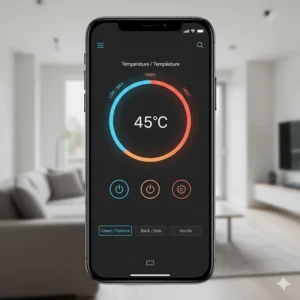
- Bluetooth MW Connect app control
- Four distinct heat settings
- Merino wool construction
Canadian Price: $180-$250 CAD (varies by model)
This is the heated long johns equivalent for serious Canadian outdoor enthusiasts. The Bluetooth connectivity means you can adjust temperatures without fumbling under layers—a game-changer when you’re deep in the backcountry. Quebec backcountry skiers consistently rate this among the best layering heated clothing options available.
✅ Pros:
- Premium merino wool naturally regulates temperature
- Ten-hour battery life on low setting
- Thumb holes keep hands warm
- Available through Canadian retailers
❌ Cons:
- Premium price point
- Requires specific care for merino wool
4. Volt Resistance Tactical Heated Base Layer
The Volt Resistance Tactical Base Layer brings Pacific Northwest engineering to Canadian winters. This electric thermal shirt features their proprietary Zero Layer Heat System, designed to fit discreetly under tactical gear or everyday clothing. The brushed fleece lining provides immediate comfort while the 5V heating system delivers reliable warmth.
Key Specifications:
- Zero Layer Heat System technology
- 5V USB battery powered
- Poly-spandex stretch material
- Three heating panels
Canadian Price: $120-$175 CAD
Motorcycle riders across British Columbia swear by Volt Resistance for those early season rides. The slim profile means it layers perfectly under motorcycle gear without restriction. Canadian reviews highlight the excellent durability—one Vancouver rider reported 200+ uses over two winters with zero issues.
✅ Pros:
- Lifetime warranty from manufacturer
- Made in Volt’s own factory
- Excellent for motorcycling and cycling
❌ Cons:
- Limited Canadian retail presence
- Battery sold separately on some models
5. USB Heated Thermal Underwear Set with 22 Heating Zones
For Canadians who want maximum coverage, this 22-zone heated thermal underwear set provides heating across shoulders, back, elbows, waist, abdomen, buttocks, calves, and knees. It’s like having a full-body heating system. The APP control via Bluetooth lets you manage three temperature levels (40-60°C) directly from your smartphone.
Key Specifications:
- 22 carbon fiber heating elements
- Smartphone app control
- Three temperature levels (40-60°C)
- Complete top and bottom set
Canadian Price: $75-$115 CAD for the complete set
This heated compression shirt and pants combo works brilliantly for ice fishing, winter construction work, or anyone spending extended periods in extreme cold. Manitoba ice anglers particularly appreciate the leg heating—something most heated base layers don’t offer. The velvet inner lining adds surprising comfort for all-day wear.
✅ Pros:
- Most comprehensive heating coverage
- Affordable set price
- App control is user-friendly
❌ Cons:
- Requires two power banks (not included)
- Slightly bulkier than minimal designs
6. FNDN Heated Skin-Fit Base Layer
The FNDN Heated Skin-Fit Base Layer revolutionized heated clothing with its next-to-skin design. This heated thermal shirt uses BEGO battery technology and features heating in the hands, back of neck, upper and center back regions. The skin-tight fit (similar to Nike Dri-FIT compression) ensures maximum heat transfer without bulk.
Key Specifications:
- Multiple heated zones with hand warmers
- 4-6 hour battery life with included batteries
- Ability to add 2 more batteries for 8-12 hours
- Hooded design with thumb hole cuffs
Canadian Price: $140-$195 CAD
Canadian airport workers, outdoor guides, and winter sports enthusiasts love this electric thermal shirt. One night manager at a small Northern Ontario airport called it “life-saving” for 6-8 hour outdoor shifts. The hand-warming feature built into the sleeves is brilliant—you get warmth without gloves’ bulk.
✅ Pros:
- Innovative hand-warming system
- Two batteries included
- Machine washable (exceptional durability reported)
❌ Cons:
- Very fitted—size up if you prefer looser fit
- Hood may not fit everyone’s preference
7. Gobi Heat Basecamp Heated Base Layer
Rounding out our list, Gobi Heat’s Basecamp series delivers excellent middle-ground performance. Their conductive thread heating technology targets key muscle groups in the thighs, glutes, abdomen, and back. The polyester-spandex blend moves naturally with your body while providing up to 8 hours of heat per charge.
Key Specifications:
- Four strategic heating zones
- Conductive thread technology
- Three adjustable heat settings
- Rechargeable lithium-polymer battery included
Canadian Price: $125-$185 CAD
This heated base layer system includes the battery and washing bag free—a nice touch that saves you $30-50. Canadian hunters and winter hikers appreciate the targeted muscle warming, which seems to reduce fatigue and soreness during long days outdoors. The one-touch LED controller makes adjustments simple even with gloves on.
✅ Pros:
- Battery and washing bag included
- Excellent for active pursuits
- Recharges in just a few hours
❌ Cons:
- Limited Canadian retail options
- Some users want more heat zones
Understanding Heated Base Layer Technology
Modern heated base layers represent a fascinating marriage of textile engineering and electronics. At their core, these garments use ultra-thin carbon fiber or conductive thread heating elements embedded within moisture-wicking fabrics. When electricity from a rechargeable lithium-ion battery flows through these elements, they generate FAR infrared heat—the same type of gentle, penetrating warmth you feel from sunlight.
The science behind effective base layering is straightforward: your body loses heat through radiation, convection, and evaporation. Traditional base layers address convection by trapping air (a poor heat conductor) between clothing layers. They manage evaporation through moisture-wicking properties that move sweat away from skin. However, they can’t add heat—only preserve what your body generates.
Heated base layers change this equation entirely. By actively generating warmth at your core, they allow your body to maintain healthy temperature without burning excess calories. Your cardiovascular system doesn’t need to work overtime pumping warm blood to extremities. This physiological advantage explains why hunters, workers, and athletes report being able to stay out longer with less fatigue when wearing quality heated thermal underwear canada offers.
According to research from cold-weather gear manufacturers, maintaining your core body temperature between 36-37°C (96.8-98.6°F) significantly reduces the risk of cold-related injuries like frostbite and hypothermia. Heated base layers with smart temperature controls help you stay within this optimal range regardless of external conditions.
How to Choose Your Perfect Heated Base Layer in Canada
Step 1: Define Your Primary Use Case
Different activities demand different features. Ice fishing requires maximum heat duration on low settings. Skiing needs quick-heating capability that you can dial back during intense runs. Construction workers need durability and all-day comfort. Be honest about how you’ll actually use the gear.
Step 2: Assess Your Typical Temperature Range
Southern Ontario winters hover around -5 to -15°C. Northern Manitoba regularly sees -30°C or colder. Prairie provinces add brutal windchill. Match your heated base layer’s heat output to your actual conditions. A system with 150°F maximum might be overkill for Vancouver but essential for Yellowknife.
Step 3: Calculate Required Battery Life
Morning duck hunt? You need 3-4 hours. Full day ice fishing? Look for 8+ hours or bring backup batteries. Night shift outdoors? Plan for 10-12 hours with spare battery packs. Don’t forget that high heat settings drain batteries 3-4 times faster than low settings.
Step 4: Consider Layering Compatibility
Will you wear this heated compression shirt under snowboarding gear? Hunting camo? Business casual? The base layer should be thin enough not to restrict movement or create bulk under your outer layers. Skin-tight designs work best for athletic pursuits, while slightly looser cuts suit casual use.
Step 5: Evaluate Heating Zone Placement
Core-focused heating (chest and back) works great for general warmth. Hand and neck zones add convenience. Full-body coverage with 22+ zones provides maximum comfort but requires multiple batteries. Think about where you personally feel cold first—that’s where you need heating coverage.
Step 6: Review Power System Compatibility
Can you use standard USB power banks or does it require proprietary batteries? Standard 5V systems offer flexibility—you can grab any compatible power bank at Canadian Tire if needed. Proprietary 7.4V systems often perform better but lock you into specific (sometimes expensive) replacement batteries.
Step 7: Check Care Requirements
Machine washable heated long johns save time and hassle. Hand-wash-only merino models require more effort but often last longer. Always remove batteries before washing. Check if the heating elements can handle your washing machine’s spin cycle or if hand-washing is recommended.
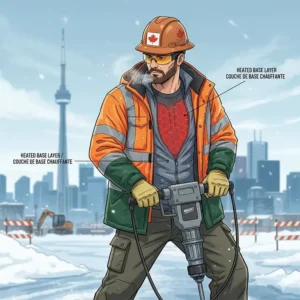
Heated Base Layers vs Traditional Thermal Underwear
Let’s address the elephant in the room: are heated base layers worth the investment compared to quality traditional thermals? After testing both extensively through Canadian winters, here’s my honest assessment.
Traditional Thermal Underwear Regular thermals like Merino wool or synthetic base layers work through passive insulation. They trap air and wick moisture effectively. Quality sets from brands like Icebreaker or Smartwool run $80-150 CAD and provide excellent warmth for moderate activity in temperatures down to -15°C or so.
The limitation? They can only preserve heat your body generates. When you’re sitting still in a tree stand at -25°C, or riding a snowmobile where windchill compounds the cold, even the best traditional base layers struggle. Your body must work harder, burning calories to maintain temperature, leading to fatigue.
Heated Base Layer Systems Electric thermal shirts actively generate warmth. You control the temperature precisely via multi-level settings. This means you can dial in perfect comfort whether you’re sitting still or hiking uphill. The added 100-150°F of heat makes a dramatic difference in extreme conditions.
The trade-offs include higher upfront cost ($100-250 CAD), battery management, and slightly more complex care requirements. You’re also adding 200-400 grams of weight from batteries.
The Verdict for Canadian Conditions For casual winter activities in moderate temperatures (-5 to -10°C), traditional thermals remain the practical choice. For extended exposure to harsh cold, stationary activities like ice fishing, or work requiring all-day outdoor presence, heated base layers deliver unmatched comfort and safety. Many Canadians now own both, choosing based on the day’s activities.
Think of traditional thermals as your everyday winter underwear. Heated base layers are specialized tools for extreme conditions—like comparing a regular coat to a Canada Goose expedition parka. Different tools for different jobs.
Battery Life & Heat Settings Explained
Understanding battery performance helps you avoid that sinking feeling when your heated base layer goes cold mid-activity. Here’s what you need to know about managing power in Canadian conditions.
Temperature Settings Breakdown:
- High (140-150°F/60-65°C): Maximum warmth, typically 2-3 hours runtime. Use when standing still in extreme cold or for initial warm-up
- Medium (120-135°F/49-57°C): Sweet spot for most conditions, typically 4-5 hours. Balances warmth with efficiency
- Low (100-115°F/38-46°C): Gentle warmth, 6-10+ hours. Perfect for mild cold or when active
Battery Capacity Guide:
- 5000-6000mAh: Standard capacity, 2-6 hours depending on setting
- 10000mAh: Extended use, 4-10 hours
- Dual battery systems: 8-16+ hours with proper management
Cold Weather Battery Tips: Lithium batteries lose approximately 20% capacity at -20°C compared to room temperature. Keep spare batteries in inner pockets warmed by body heat. Charge batteries fully before heading out—partial charges perform poorly in extreme cold. Consider investing in a second battery set so you always have charged backup ready.
Real-World Canadian Usage: A typical day ice fishing on Lake Simcoe: Start on high for 30 minutes to warm up (uses ~15% battery), switch to medium for fishing (4-5 hours, ~70% battery), reserve 15% for high heat on the ride home. Total coverage: 6-7 hours from a 6000mAh battery.
For Aurora watching in Yellowknife at -35°C: High setting throughout, swap batteries every 2 hours, bring three fully-charged packs for a 5-6 hour excursion.
Maintenance & Care for Maximum Longevity
Proper care extends your heated base layer investment from a couple seasons to 5+ years. Canadian conditions make this even more important—salt, ice, sweat, and temperature extremes test durability.
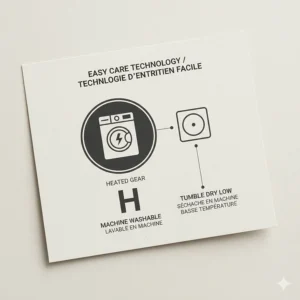
Washing Instructions: Always remove batteries and secure all connection points before washing. Most heated base layers handle machine washing on gentle cycle with cold water. Use mild detergent—harsh chemicals can degrade heating elements over time. Avoid fabric softeners which coat fabrics and reduce moisture-wicking performance.
Air dry completely before storing. Never put heating elements in the dryer—high heat can damage carbon fiber panels. Hang in a warm room; Canadian winter air drying works great.
Battery Maintenance: Store lithium batteries at 40-60% charge for long-term health. Fully draining or leaving fully charged for months degrades capacity. If you won’t use your heated thermal underwear canada for 2+ months, charge batteries to half capacity and store in a cool, dry place (10-20°C ideal).
Charge batteries after each use rather than waiting until next outing. Cycle batteries monthly even during off-season—charge to 100%, use briefly, drain to 40-50%.
Storage Tips: Fold heating panels along natural seams, never crease heating zones sharply. Store in breathable bags (cotton pillow cases work great) rather than plastic which can trap moisture. Keep away from direct sunlight which degrades elastic components.
Troubleshooting Common Issues:
- Uneven heating: Check connections are fully seated. Dirt or moisture in connectors causes resistance.
- Shortened battery life: Replace batteries after 300-400 charge cycles (typically 2-3 seasons heavy use).
- Weak heat output: Wash the garment—sweat buildup insulates heating panels from your skin.
Canadian owners report 3-5 years average lifespan with proper care. Budget $60-100 CAD every 2-3 years for replacement batteries to maintain peak performance.
Layering Strategies for Canadian Conditions
Mastering the art of layering heated clothing creates versatile systems that perform across temperature ranges and activity levels. Here’s how Canadians optimize their heated base layer systems.
The Three-Layer Foundation:
- Base Layer (Heated): Your electric thermal shirt directly on skin, responsible for moisture management and active warming
- Mid Layer: Fleece or synthetic insulation that traps warm air, adds bulk insulation
- Outer Layer: Windproof, waterproof shell protecting from elements
Mild Cold (-5 to 5°C): Heated base layer on low + light fleece + windbreaker. Most active Canadians find this perfect for winter hiking, snowshoeing, or urban commuting. The heated base layer takes the edge off without overheating during exertion.
Moderate Cold (-15 to -5°C): Heated base layer on medium + midweight fleece + insulated jacket. Ideal for ice fishing (stationary), snowmobiling, or ski lift rides. Adjust base layer heat as activity level changes.
Extreme Cold (-25°C and below): Heated base layer on high + heavyweight fleece or wool mid-layer + expedition-grade parka. Consider heated socks and glove liners too. This setup handles prairie winters, northern work camps, and backcountry winter camping.
Activity-Based Adjustments: For aerobic activities like cross-country skiing or snowshoeing, start with heated base layer off or on low. Your body generates significant heat through exertion. Turn heating up during rest breaks or descents when you cool rapidly.
For stationary pursuits like deer hunting or ice fishing, run higher heat settings continuously. Your body generates minimal warmth sitting still in a blind at -20°C.
Pro Tip for Variable Days: Bring a packable down vest as an adjustable mid-layer. When your heated compression shirt runs low on battery late in the day, adding the vest maintains warmth without needing to carry heavy extra batteries.
Safety Considerations & Canadian Standards
While heated base layers have excellent safety records, understanding proper use prevents the rare issues that do occur. Canadian winter conditions add unique considerations.
Electrical Safety: All heated base layers sold in Canada should meet CSA (Canadian Standards Association) electrical safety standards. Look for CSA certification or equivalent UL/CE markings. Reputable brands include overcurrent protection, preventing batteries from delivering excessive power that could damage heating elements or cause overheating.
Modern lithium-ion batteries include safety circuits preventing overcharge, overdischarge, and short circuits. Still, never use damaged batteries showing swelling, leaking, or deformation. One Saskatchewan user reported his battery pack swelled after being left in -40°C cold—he safely disposed of it rather than risk thermal runaway.
Heat-Related Precautions: Don’t sleep in heated base layers on high settings. Your body’s temperature regulation works differently during sleep, and excessive heat can cause discomfort or skin irritation. If you must sleep in heated gear (winter camping), use low settings only.
Those with diabetes, circulatory issues, or reduced sensation should consult physicians before using heated clothing. Inability to feel excessive heat could lead to burns.
Battery Transport: Lithium batteries under 100Wh are generally permitted on Canadian flights in carry-on luggage. Most heated base layer batteries fall in the 18-40Wh range, well within limits. Always carry batteries in protective cases preventing short circuits from contact with metal objects.
Moisture Management: Never wear heated base layers wet. Water conducts electricity and compromises insulation. If you break through ice or get soaked in rain, turn off heating immediately and change to dry layers. The risk isn’t electrocution (voltages are too low), but rather the heating elements working inefficiently or potentially developing hotspots.
Fire Regulations: Some workplaces in oil and gas, mining, or chemical industries restrict battery-powered electronics due to explosion risks in certain environments. Check workplace safety regulations before wearing heated base layers in industrial settings.
Canadian heated base layer manufacturers ship products that meet or exceed safety standards, but user responsibility in proper care and usage completes the safety picture.
Best Activities for Heated Base Layers in Canada
Different winter activities benefit from heated base layers in unique ways. Here’s where they truly excel across our diverse Canadian landscape.
Ice Fishing ⛸️ The ultimate heated base layer use case. Sitting stationary on frozen lakes for hours tests even the toughest Canadians. Heated thermal underwear canada enthusiasts report ice fishing sessions extending from 3-4 hours to full 8-10 hour days. The ability to stay comfortable without wearing bulky layers that restrict movement when landing fish makes heated base layers game-changing.
Hunting 🦌 Tree stand hunters in Manitoba, Saskatchewan, and Alberta face similar challenges to ice fishers—long periods of stillness in extreme cold. Heated long johns and tops provide warmth without the bulk that interferes with shooting positions or makes quiet movement impossible. The stealth mode on some models (turning off LED indicators) prevents spooking game.
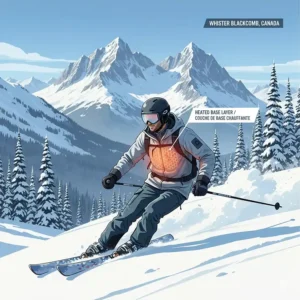
Skiing & Snowboarding 🎿 Heated compression shirts work brilliantly on chairlifts, providing warmth during the cold ride up without overheating during runs. The ability to adjust temperature between runs optimizes comfort. British Columbia and Alberta resort-goers increasingly pack heated base layers for full-day skiing.
Winter Construction & Outdoor Work 👷 From Alberta oil fields to Northern Ontario mining sites, workers spending 10-12 hour shifts outdoors find heated base layer systems essential safety equipment. They reduce cold-related injury risk while maintaining mobility needed for physical labour. Many companies now provide heated gear as standard PPE.
Snowmobiling 🛷 Wind chill while riding creates brutal cold even on moderately cold days. Heated electric thermal shirts combat this, letting riders enjoy longer trips across Quebec trails or Northern Manitoba wilderness. The extra warmth lets you wear less bulky layering, improving comfort on long rides.
Winter Camping ❄️ Backcountry winter camping in places like Algonquin Park or the Yukon benefits enormously from heated base layers. They provide critical warmth during setup/breakdown when you’re not moving enough to generate body heat but can’t climb into a sleeping bag yet. Battery management becomes crucial—bring solar chargers or extra battery packs.
Dog Walking & Daily Life 🐕 Not every use needs to be extreme. Many Canadians wear heated base layers for daily winter dog walks, commuting, or watching kids’ hockey games. The comfort during routine winter exposure to cold adds up over months, making winter more enjoyable rather than something to endure.
Cost vs Value Analysis for Canadian Buyers
Let’s talk money. Heated base layers represent a significant investment compared to traditional thermal underwear. Are they worth it for Canadian conditions?
Initial Investment: Budget options: $65-100 CAD Mid-range quality: $120-180 CAD
Premium systems: $200-250 CAD
Compare this to quality traditional base layers at $80-150 CAD. You’re paying $50-100 more for heating technology.
Operating Costs: Electricity for charging: ~$0.50 per season (negligible) Replacement batteries: $40-80 CAD every 2-3 years Total 5-year ownership: $140-330 CAD for heated vs $80-150 for traditional
Value Calculation: The real value comes from extended comfort and safety. Can you put a price on being able to enjoy winter activities 2-3x longer? On avoiding cold-related discomfort or injury? On productivity during outdoor work?
For someone who ice fishes 20 days per winter, spending $150 on a quality heated base layer works out to $7.50 per day over one season, $3.75 per day over two seasons. That’s less than a Tim Hortons coffee for hours of additional comfort.
For northern workers or winter sports enthusiasts using heated gear 50-100+ days per winter, the cost per use drops to $1-3 CAD within the first year. That’s remarkable value for specialized equipment.
Break-Even Analysis: If you currently cut outdoor activities short due to cold 10+ times per winter, or if you work outdoors regularly, heated base layers pay for themselves through improved experience and safety within one season. For occasional users facing mild conditions, traditional thermals remain more economical.
Canadian Pricing Notes: Watch for Amazon.ca sales around Boxing Day, Black Friday, and end-of-winter clearances. Canadians report saving 20-40% buying previous year’s models in March. Some brands offer direct Canadian shipping from their websites with better pricing than Amazon.
Don’t forget GST/HST varies by province (5-15%) on top of listed prices, and shipping costs within Canada can add $10-30 unless you qualify for free shipping.
Frequently Asked Questions (FAQs)
❓ How long does a heated base layer battery last in Canadian cold?
❓ Can you wash heated base layers in a washing machine?
❓ Are heated base layers safe to wear all day?
❓ What is the best heated base layer for extreme Canadian cold?
❓ Do heated base layers work under regular clothes?
Conclusion: Finding Your Perfect Heated Base Layer Match
After comparing the top heated base layer options available to Canadians, one thing becomes clear: there’s no single “best” choice for everyone. Your ideal heated thermal underwear canada solution depends entirely on your specific needs, budget, and typical use cases.
For budget-conscious buyers or those testing heated technology for the first time, the AMOVO Heated Thermal Shirt ($65-98 CAD) delivers surprising performance at an accessible price point. It’s perfect for casual winter activities and occasional outdoor exposure.
Serious outdoor enthusiasts pursuing activities like backcountry skiing, extended hunting trips, or winter camping should invest in the Fieldsheer Merino Heated Base Layer ($180-250 CAD). The premium merino construction, 10-hour battery life, and Bluetooth controls justify the higher cost for frequent users.
Those seeking maximum coverage will appreciate the 22-Zone USB Heated Set ($75-115 CAD), offering comprehensive warmth from shoulders to calves at a remarkably affordable set price.
For active pursuits requiring slim profiles and mobility, the FNDN Heated Skin-Fit Layer ($140-195 CAD) combines innovative hand-warming with ultra-fitted design ideal for high-intensity winter sports.
Remember that heated base layers work best as part of a complete layering system. Even the best electric thermal shirt can’t compensate for inadequate mid-layers or outer shells. Think of heated base layers as the foundation of your winter comfort strategy, not a standalone solution.
Canadian winters present unique challenges—from the dry, brutal cold of prairie provinces to the damp chill of coastal British Columbia. Heated base layer technology has matured to the point where reliable warmth is now accessible at various price points. Whether you’re commuting in Calgary, ice fishing in Northern Ontario, or working on an Alberta construction site, there’s a heated base layer system engineered for your specific needs.
The investment in quality heated gear pays dividends through improved comfort, extended outdoor time, and enhanced safety during our long Canadian winters. Choose wisely, maintain properly, and you’ll wonder how you ever survived winter without this game-changing technology.
Recommended for You
- 7 Best Heated Parkas That Crush Canadian Winters (2026 Guide)
- 7 Best Heated Vest Options in Canada 2026
- 7 Best Heated Jackets for Hockey Parents in Canada 2026: Stay Warm
Disclaimer: This article contains affiliate links to Amazon.ca. If you purchase products through these links, we may earn a small commission at no additional cost to you.
✨ Found this helpful? Share it with your friends! 💬🤗
