
In This Article
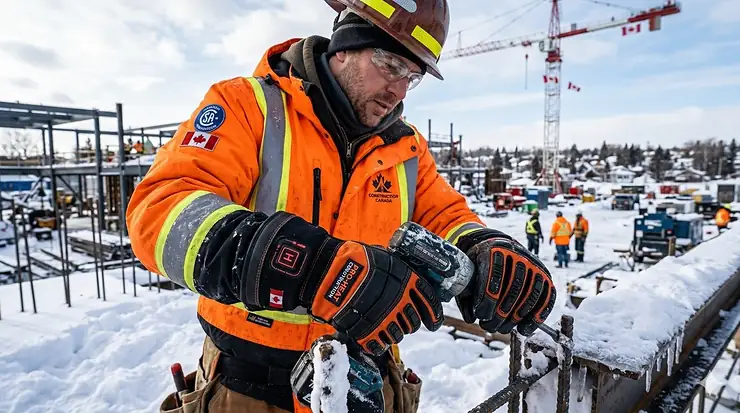
Picture this: it’s 6:30 AM on a January morning in Edmonton, the temperature reads -28°C, and you’re about to spend the next eight hours framing a commercial building. Your regular work gloves? They’ll keep you warm for maybe twenty minutes before your fingers start going numb. This scenario plays out across Canadian construction sites every winter, from Vancouver Island to Newfoundland.
When I first started working construction in Winnipeg, I learned the hard way that frozen fingers aren’t just uncomfortable—they’re dangerous. You lose dexterity, drop tools, and make mistakes that could cost you more than a sore thumb. That’s where heated work gloves for construction become genuine lifesavers rather than luxury items.
According to the Canadian Centre for Occupational Health and Safety, work environments with wind chill temperatures at or below -7°C require protective measures and heated warming shelters. But what about your hands? Traditional insulated gloves only trap body heat, and once they get damp from sweat or snow, that protection vanishes. Battery-powered heated work gloves solve this problem by generating consistent warmth regardless of external conditions or moisture levels.
The Canadian construction industry faces unique challenges. We’re not just dealing with occasional cold snaps—we’re talking sustained periods of extreme cold, often combined with wind, precipitation, and the physical demands of manual labour. You need gloves that can handle -30C temperatures, resist abrasion from rough materials, maintain grip on slippery surfaces, and still provide enough dexterity to operate power tools safely.
This comprehensive guide examines seven top-rated heated work gloves specifically suited for Canadian construction workers. We’ve researched products available on Amazon.ca, verified Canadian pricing, analyzed customer feedback from fellow tradespeople across the country, and consulted safety standards to help you make an informed decision. Whether you’re pouring concrete in Calgary or installing roofing in Toronto, you’ll find the perfect pair to keep your hands warm and productive all winter long.
Quick Comparison Table
| Product | Battery Life | Temperature Rating | Price (CAD) | Best For |
|---|---|---|---|---|
| Milwaukee REDLITHIUM USB | 2-6 hours | Up to -30°C | $249 | Professional tradespeople |
| SAVIOR HEAT S01 Heated Gloves | 3-8 hours | Up to -25°C | $110-140 | All-around construction use |
| SNOW DEER Heated Work Gloves | 2.5-6 hours | Up to -20°C | $85-120 | Budget-conscious workers |
| ActionHeat AA Battery Gloves | 5+ hours | Up to -15°C | $65 | Entry-level heated gloves |
| MATKAO Heated Work Gloves | 2-7 hours | Up to -25°C | $95-130 | Cold weather specialists |
| ABXMAS 3200mAh Heated Gloves | 4-6 hours | Up to -30°C | $100-135 | Extended battery life |
| Volt Heat 7V Leather Work Gloves | 3-8 hours | Up to -35°C | $180-220 | Premium performance |
💬 Just one click – help others make better buying decisions too! 😊
Top 7 Heated Work Gloves for Construction: Expert Analysis
1. Milwaukee REDLITHIUM USB Heated Gloves – The Professional’s Choice
If you’re serious about construction work in Canadian winters, the Milwaukee REDLITHIUM USB Heated Gloves represent the gold standard. These aren’t your average battery-powered gloves—they’re engineered specifically for tradespeople who demand durability and performance.
Key Specifications:
- 7.4V rechargeable lithium-ion battery system
- GRIDIRON Ripstop polyester shell (3X more durable than cotton duck)
- 100% leather palms and fingers
- Up to 6 hours runtime on low setting
- Three heat settings with quick-heat function
- SMARTSWIPE touchscreen-compatible fingertips
Canadian Pricing: CAD $249 at The Home Depot Canada
These heated gloves feature GRIDIRON Ripstop polyester that protects against abrasion and tearing while 100% leather palms and fingers provide durability and dexterity. One Toronto-based carpenter shared that after using them through an entire winter season of exterior framing, the gloves showed minimal wear despite daily abuse.
Canadian construction workers particularly appreciate the extended cuff design, which seals out wind and snow when working overhead. The battery pockets sit flat against the glove, reducing snagging hazards around jobsite equipment.
Pros:
✅ Industrial-grade durability designed for construction abuse
✅ Quick-heat function reaches temperature 3X faster than competitors
✅ Long battery life suitable for full shifts
Cons:
❌ Higher price point may deter budget-conscious workers
❌ Replacement batteries not widely available at Canadian retailers
Canadian Customer Feedback: Workers in Alberta reported these gloves performed exceptionally well in -30°C conditions, maintaining warmth during concrete pours and steel installations. One reviewer noted using them through an entire winter working on a freezer warehouse construction project.
2. SAVIOR HEAT S01 Heated Gloves – Best Value for Money
The SAVIOR HEAT S01 Heated Gloves deliver professional-grade performance at a mid-range price point, making them incredibly popular among Canadian construction crews from coast to coast.
Key Specifications:
- 7.4V 2200mAh rechargeable battery (included)
- Seven-layer fabric construction with 3M Thinsulate
- Carbon fiber heating elements
- Waterproof and breathable DWR coating
- Three heat settings (140-150°F high, 122-133°F medium, 104-113°F low)
Canadian Pricing: CAD $110-140 on Amazon.ca
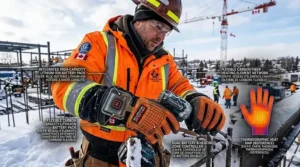
The 7.4-volt battery is the most common type of heated clothing battery system and may be rechargeable, with most garments powering for around 2-8 hours depending on heat setting and outside conditions. These gloves hit that sweet spot perfectly, providing reliable warmth without breaking the bank.
Construction workers in Vancouver particularly value the waterproof membrane—essential when working in BC’s wet winter conditions. The gloves maintain heating efficiency even when damp, unlike traditional insulated gloves that lose effectiveness once moisture penetrates.
Pros:
✅ Excellent price-to-performance ratio for construction budgets
✅ Touchscreen-compatible for using smartphones on break
✅ Quick charging time (3-4 hours for full charge)
Cons:
❌ Sizing runs slightly small—order one size up
❌ Battery life decreases noticeably in extreme cold below -25°C
Canadian Customer Feedback: A Saskatchewan roofer mentioned these gloves lasted three full winter seasons with regular use, impressive considering the demanding nature of roofing work. Multiple Canadian buyers noted the gloves arrived quickly from Amazon.ca with excellent customer service support.
3. SNOW DEER Heated Work Gloves – Budget-Friendly Reliability
For construction workers seeking dependable heated gloves without the premium price tag, the SNOW DEER Heated Work Gloves represent an excellent entry point into battery-powered hand warmth.
Key Specifications:
- 7.4V 2200mAh lithium polymer batteries
- Sheep leather and polyester construction
- Far infrared heating elements covering full hand and fingers
- Waterproof and windproof design
- Adjustable wrist closure with wind-resistant cuff
Canadian Pricing: CAD $85-120 on Amazon.ca
These gloves feature heating coverage that extends all the way to fingertips—a critical feature when you’re handling small fasteners or operating precision tools in cold weather. The sheep leather provides natural water resistance while maintaining flexibility for detailed work.
One Manitoba electrician shared that he appreciates how the gloves allow him to manipulate wire connections without removing them, maintaining both warmth and safety compliance. The heating elements warm up within 30 seconds of activation, providing immediate relief when stepping out of a heated vehicle into frigid morning conditions.
Pros:
✅ Affordable pricing makes them accessible for apprentices and helpers
✅ Fast heat-up time provides immediate warmth
✅ Good dexterity for detailed construction tasks
Cons:
❌ Build quality slightly less robust than premium options
❌ Batteries may need replacement after one season of heavy use
Canadian Customer Feedback: Ontario construction workers noted these gloves perform admirably in temperatures down to -20°C, though they recommend wearing thin liner gloves underneath for extreme cold conditions. The value proposition makes them popular among workers who need multiple pairs for different jobsite conditions.
4. ActionHeat AA Battery Heated Gloves – The Convenient Option
The ActionHeat AA Battery Heated Snow Gloves take a different approach to heated gloves, using standard AA batteries instead of proprietary rechargeable packs—a feature Canadian construction workers find incredibly convenient.
Key Specifications:
- Powered by standard AA batteries (not included)
- ActionWave heat reflective technology
- Action-Flex material for flexibility
- Soft-shell exterior with fleece lining
- Reaches 130°F temperature
Canadian Pricing: CAD $64.98 at The Home Depot Canada
These heated gloves feature strategically placed heating elements located on the back of the hand and can reach a comfortable 130°F lasting up to 5+ hours. The real advantage? When your batteries die on a remote jobsite, you can grab replacements from any hardware store, gas station, or even the site trailer’s emergency supplies.
British Columbia construction workers particularly value this feature when working on projects in remote locations where charging stations aren’t readily available. One Vancouver Island carpenter keeps spare AA batteries in his truck, ensuring he’s never caught without heat during long days on residential builds.
Pros:
✅ Uses readily available AA batteries—no specialized chargers needed
✅ Lowest upfront cost makes them accessible for trying heated gloves
✅ Lightweight design reduces hand fatigue during extended wear
Cons:
❌ Ongoing battery costs add up over a full winter season
❌ Less robust construction compared to premium work gloves
❌ Not ideal for heavy-duty construction applications
Canadian Customer Feedback: Workers appreciate the convenience factor, though some noted that rechargeable AA batteries (purchased separately) make these gloves more economical long-term while maintaining the convenience of swappable power sources.
5. MATKAO Heated Work Gloves – Cold Weather Specialists
The MATKAO Heated Work Gloves specifically target construction workers who regularly face extreme Canadian winter conditions, with design features focused on maximum warmth and durability.
Key Specifications:
- 7.4V 2500mAh FCC/CE certified battery
- Composite fiber heating wire with high-temperature silicone coating
- Velvet inner lining with moisture-wicking properties
- Non-slip silicone palm surface
- Three temperature adjustment levels
- Up to 7 hours battery life
Canadian Pricing: CAD $95-130 on Amazon.ca
What sets these gloves apart is the heating wire technology—composite fiber material with silicone coating provides uniform heat distribution without creating hot spots. Construction workers handling metal components in extreme cold particularly appreciate this feature, as uneven heating can actually feel uncomfortable against frozen steel.
An Alberta pipefitter shared that these gloves maintained consistent warmth during a -35°C cold snap while he was welding outdoor pipeline sections. The moisture-wicking velvet lining prevented the sweat buildup that typically occurs when working hard in insulated gloves, keeping hands both warm and dry throughout his shift.
Pros:
✅ Excellent battery life covers full eight-hour construction shifts
✅ Uniform heating prevents uncomfortable hot spots
✅ Moisture-wicking lining ideal for physically demanding work
Cons:
❌ Availability on Amazon.ca can be inconsistent
❌ Sizing chart uses measurements some find confusing
Canadian Customer Feedback: Multiple Quebec construction workers praised these gloves for maintaining warmth during foundation work in deep winter, with several noting the gloves held up well to the abrasion from handling rough concrete forms and rebar.
6. ABXMAS 3200mAh Heated Gloves – Extended Runtime Champion
For construction workers who need reliable heat throughout extremely long shifts, the ABXMAS 3200mAh Heated Gloves offer the longest battery life in our comparison, making them ideal for demanding jobsite conditions.
Key Specifications:
- 7.4V 3200mAh lithium-ion batteries
- Four to six hours runtime (setting-dependent)
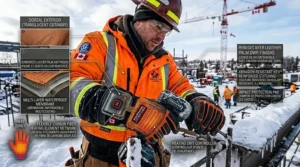
- Far-infrared fiber heating elements
- 35% artificial sheepskin and 65% twill fabric exterior
- 3M insulation cotton with velvet inner lining
- Waterproof and breathable construction
Canadian Pricing: CAD $100-135 on Amazon.ca
These gloves feature two extra insulation layers compared to standard heated gloves, providing excellent passive warmth even when the heating elements aren’t activated. This dual-approach to warmth helps conserve battery power—you can run them on low settings in moderate cold and still maintain comfortable hand temperature.
A Saskatchewan scaffolder mentioned using these gloves during a three-week commercial project in December, appreciating how the large battery capacity meant he rarely needed to swap batteries during his shift. The heating elements cover the entire back of hand and extend through all fingers to the fingertips, addressing the common complaint about cold fingertips in lesser gloves.
Pros:
✅ Largest battery capacity provides longest continuous heating
✅ Dual insulation approach conserves power while maintaining warmth
✅ CE/FCC safety certification provides peace of mind
Cons:
❌ Slightly bulkier due to extra insulation layers
❌ Higher price point than budget options
Canadian Customer Feedback: Ontario construction workers noted these gloves excel during multi-day cold weather construction projects where consistent performance matters more than initial cost. Several buyers mentioned the included storage bag and user manual made organization easier in work trucks.
7. Volt Heat 7V Leather Work Gloves – Premium Performance
The Volt Heat 7V Leather Work Gloves represent the premium tier of heated work gloves, designed for Canadian construction professionals who demand the absolute best in cold weather hand protection.
Key Specifications:
- 7.4V 2600mAh rechargeable batteries (dual included)
- Full-grain yellow leather construction
- Breathable waterproof membrane
- 120 grams of insulation
- Four-level microprocessor temperature control
- Extra leather palm reinforcement
Canadian Pricing: CAD $180-220 (varies by retailer and size)
These heated leather work gloves feature full-grain yellow leather construction with durable nylon shell and soft tricot fleece lining, including a breathable waterproof membrane and 120 grams of insulation. The yellow leather makes them highly visible on construction sites—an important safety feature in low-light winter conditions common across Canadian jobsites.
What justifies the premium price? Build quality. These gloves are constructed to withstand years of heavy construction use. The extra leather reinforcement on palms addresses the high-wear areas that typically fail first on work gloves. The four-level temperature control provides precise heat management—you can fine-tune warmth to match activity level and ambient conditions.
A Nova Scotia construction foreman reported his crew members who invested in these gloves were still using them three winters later, while cheaper alternatives needed replacement each season. When you calculate cost per season, the premium price becomes more reasonable.
Pros:
✅ Exceptional build quality designed for multi-season use
✅ High-visibility yellow leather improves jobsite safety
✅ Precise four-level temperature control
Cons:
❌ Highest price point in our comparison
❌ Availability in Canada can be limited for certain sizes
Canadian Customer Feedback: Workers across Canada consistently praise the durability and comfort, with many noting these gloves maintain heating performance even after extensive jobsite abuse. The extended cuff design effectively seals out wind and snow during Canadian winter conditions.
Understanding Heated Work Gloves Technology
Before investing in heated work gloves for construction, understanding the underlying technology helps you make informed decisions about which features matter most for your specific jobsite needs.
How Battery-Powered Heated Gloves Work
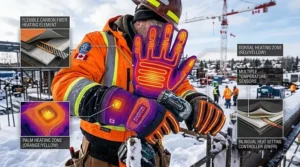
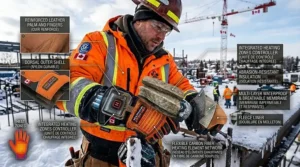
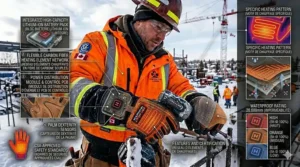
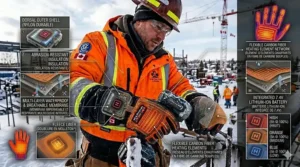
Heated clothing has tiny wires sewn into a layer of the fabric, typically made of carbon fiber or a metal composite like nickel-chromium that performs well under repeated heating and cooling cycles. These heating elements, powered by rechargeable lithium-ion batteries, generate consistent warmth across the hand and fingers.
The batteries typically nestle in pockets on the back of the glove or gauntlet, connected to the heating elements through waterproof wiring. A controller button allows you to adjust temperature levels, usually offering three to four heat settings ranging from approximately 104°F to 150°F.
Modern heated gloves use far-infrared heating technology, which penetrates deeper into tissues than conventional heating methods. This technology not only warms the surface of your hands but also promotes blood circulation—particularly beneficial for construction workers who may already have reduced circulation from repetitive vibration exposure or previous cold injuries.
Battery Life and Runtime Expectations
Understanding battery performance helps set realistic expectations. A 7.4V 2200mAh battery (the most common specification) typically provides 2-3 hours on high heat, 4-5 hours on medium, and 6-8 hours on low settings. However, several factors affect actual runtime:
Temperature Impact: Extreme cold reduces lithium-ion battery efficiency. At -30°C, expect 20-30% less runtime than rated specifications. This reality makes larger capacity batteries (3000mAh or higher) particularly valuable for Canadian construction workers.
Activity Level: Physical labour generates body heat, allowing you to run gloves on lower settings and extend battery life. Conversely, stationary work (like equipment operation) requires higher heat settings and drains batteries faster.
Wind Chill: Wind dramatically increases heat loss. Working on exposed sites (high-rise construction, bridge work, open fields) requires higher heat settings than sheltered locations, reducing battery life accordingly.
Waterproofing and Breathability
Canadian construction sites present challenging conditions—wet snow, freezing rain, and the inevitable moisture from manual labour. Quality heated work gloves incorporate waterproof breathable membranes that keep external moisture out while allowing perspiration to escape.
This breathability prevents the moisture buildup that plagues traditional insulated work gloves. When your hands sweat inside non-breathable gloves, that moisture eventually soaks the insulation, destroying its effectiveness and potentially causing cold injuries as you cool down.
Look for gloves featuring Gore-Tex, Hipora, or similar waterproof breathable technologies. These membranes maintain heating element performance even in wet conditions—critical when working with snow-covered materials or during winter precipitation.
Heating Element Placement
Not all heated gloves distribute warmth equally. Premium construction gloves feature heating elements that extend through fingers to the fingertips—the areas most vulnerable to cold injury. Budget options may only heat the back of the hand, leaving fingers reliant on passive insulation.
For construction work requiring finger dexterity (electrical installations, plumbing connections, carpentry), fingertip heating becomes essential. You simply can’t operate safely when you can’t feel what you’re doing.
Safety Certifications
Reputable heated gloves carry safety certifications like CE (European Conformity) or FCC (Federal Communications Commission) approval. These certifications verify the electrical components meet safety standards and won’t pose shock or fire hazards.
Given that construction sites already present numerous hazards, choosing certified gloves eliminates one potential risk. The batteries should include overcharge protection, short-circuit prevention, and automatic shutoff features to prevent overheating.
Choosing the Right Heated Gloves for Your Construction Work
Selecting heated work gloves for construction requires balancing multiple factors beyond just keeping your hands warm. Different construction trades and jobsite conditions demand different glove characteristics.
Dexterity Requirements
Framers, finish carpenters, and electricians need maximum finger sensitivity and dexterity. Bulky insulation interferes with precision work and increases the risk of tool slippage or mishandling. For these trades, prioritize gloves that maintain flexibility at the expense of some passive insulation—the heating elements compensate for thinner construction.
Conversely, labourers handling heavy materials, concrete workers, or equipment operators can sacrifice some dexterity for added protection and warmth. Thicker gloves with robust palms and extra insulation suit these applications better.
Abrasion Resistance and Durability
Construction work destroys gloves. Handling rough lumber, concrete blocks, rebar, and abrasive materials quickly wears through inferior materials. Look for heated gloves with leather palms and fingers—leather provides superior abrasion resistance compared to synthetic materials.
Some gloves feature Kevlar reinforcement in high-wear areas or double-layer leather on palms. These features significantly extend glove lifespan, justifying higher upfront costs through reduced replacement frequency.
GRIDIRON Ripstop or similar reinforced fabrics on the back of the glove resist tearing from snags on protruding nails, metal edges, or rough building materials. Construction sites offer countless opportunities for gloves to catch on obstacles—reinforced materials survive these encounters.
Grip Performance
Maintaining secure grip on tools and materials becomes more challenging in cold weather, particularly when handling smooth metal or wet surfaces. Quality construction heated gloves incorporate grip-enhancing features like textured palms, silicone patterns, or specialized rubber coatings.
The grip material must remain flexible in extreme cold—some rubber compounds become hard and slippery below -20°C. Leather and silicone-based grip surfaces generally maintain performance across wider temperature ranges.
Impact Protection
Certain construction applications benefit from impact protection over knuckles and finger backs. Heated gloves designed for trades like demolition, concrete breaking, or heavy equipment operation may incorporate padded or reinforced knuckle guards.
However, added protection typically reduces flexibility. Assess whether your specific work truly requires impact protection before sacrificing dexterity for this feature.
Cuff Length and Closure
Extended cuffs that overlap jacket sleeves prevent gaps where cold air and snow can enter. Adjustable cuff closures (drawstrings, hook-and-loop straps, or elastic cinches) secure the seal between glove and jacket.
Short cuffs work fine for indoor construction or mild winter conditions but leave wrists exposed during outdoor work in harsh weather. The few extra centimeters of coverage make substantial differences in overall warmth and comfort.
Touchscreen Compatibility
Modern construction sites increasingly incorporate technology—smartphones for communication, tablets for blueprints, and touchscreen controls on equipment. Touchscreen-compatible fingertips (usually thumb and index finger) allow you to operate devices without exposing hands to cold.
While not essential, this feature significantly improves convenience during breaks and reduces the temptation to remove gloves when checking messages or reviewing plans.
Battery Maintenance and Care Tips
Proper battery care extends both battery lifespan and heating performance, maximizing your investment in heated work gloves.
Initial Charging Protocol
New lithium-ion batteries require conditioning. Before first use, fully charge batteries for the recommended duration (typically 3-4 hours), even if indicator lights suggest they’re already charged. This initial full charge calibrates the battery’s internal circuitry and ensures maximum capacity.
For the first three to five charging cycles, allow batteries to fully discharge before recharging. This process helps establish optimal battery chemistry performance.
Daily Charging Habits
Lithium-ion batteries prefer partial discharge cycles over complete drain-to-zero usage. Try to recharge when batteries reach 20-30% remaining capacity rather than waiting until they’re completely dead.
However, occasionally (every 20-30 charges) allow complete discharge followed by full recharge. This recalibration maintains battery accuracy and prevents capacity drift.
Cold Weather Storage
Never leave batteries in extremely cold vehicles overnight. Lithium-ion cells lose capacity when stored below -20°C and can suffer permanent damage from repeated freezing. Bring batteries inside or store them in insulated containers.
Conversely, avoid leaving batteries on hot dashboards or near heaters. Extreme heat accelerates chemical degradation inside battery cells, reducing overall lifespan.
Off-Season Storage
When storing heated gloves for summer months, charge batteries to approximately 50-60% capacity before storage. Completely discharged batteries may enter deep discharge state and fail to recharge properly. Fully charged batteries gradually self-discharge during storage, potentially dropping to unsafe levels.
Store gloves and batteries in cool, dry locations. Moisture can corrode connections and damage waterproofing seals. Check stored batteries monthly and top up charge if they’ve dropped below 40%.
Cleaning and Maintenance
Most heated gloves can be hand-washed with mild soap and water—always remove batteries first. Avoid machine washing unless manufacturer explicitly approves it, as agitation can damage heating elements or electrical connections.
Allow gloves to air dry completely before storage. Never use heat sources like radiators or hair dryers to accelerate drying, as excessive heat can damage internal components.
Periodically inspect battery connections and charging ports for corrosion or debris. Clean contacts with isopropyl alcohol and cotton swabs to maintain proper electrical connections.
Canadian Safety Standards and Regulations
Understanding Canadian workplace safety requirements helps ensure your heated glove choices meet both legal obligations and practical safety needs.
Occupational Health and Safety Requirements
Canada’s Occupational Health and Safety Acts require employers to take every precaution reasonable to protect worker health and safety, which includes working in cold environments indoors or outdoors. While specific heated glove requirements don’t exist, employers must provide appropriate protective equipment for workers exposed to cold stress.
Some Canadian jurisdictions have adopted ACGIH Threshold Limit Values as occupational exposure limits while others use them as guidelines for conducting risk assessments and creating safe work plans for workers exposed to cold temperatures. These guidelines recommend protective clothing and limit worker exposure time based on wind chill factors.
Construction employers should conduct cold stress risk assessments before winter work begins, identifying hazards and implementing control measures. Heated work gloves represent an engineering control that reduces cold exposure at the source—your hands.
Work-Warming Schedules
Saskatchewan’s work-warming schedule, adopted by many Canadian jurisdictions, specifies break frequencies based on temperature and wind chill. When wind chill reaches -32°C to -37°C, workers performing moderate work should take a warming break every 30 minutes.
Heated work gloves extend safe working duration by maintaining hand temperature above dangerous levels, potentially allowing longer work periods before breaks become necessary. However, they don’t eliminate the need for regular warming breaks—core body temperature still requires monitoring and management.
Cold Stress Recognition
All Canadian construction workers should recognize cold stress symptoms:
Mild Hypothermia: Shivering, numbness, decreased dexterity
Moderate Hypothermia: Intense shivering, difficulty with coordination, confusion
Severe Hypothermia: Shivering stops, loss of consciousness, weak pulse
Frostbite: White or grayish-yellow skin, unusually firm or waxy skin, numbness
Heated gloves primarily prevent frostbite to hands and fingers. However, workers must remain vigilant for whole-body cold stress symptoms that heated gloves cannot address.
CSA Standards for Protective Gloves
While CSA (Canadian Standards Association) hasn’t established specific standards for heated gloves, general protective glove standards still apply. Look for gloves that meet or exceed:
CSA Z195: Protective footwear (relevant for cold weather work requirements)
ANSI/ISEA 105: Hand Protection Selection Criteria (for cut resistance, puncture resistance)
Quality heated work gloves often exceed standard construction glove requirements while adding the thermal protection advantage.
Comparing Heated Gloves to Traditional Winter Work Gloves
Understanding how heated gloves stack up against conventional cold weather work gloves helps justify the investment and set appropriate expectations.
Warmth Retention in Extreme Cold
Traditional insulated work gloves rely entirely on trapping body heat. When ambient temperature drops below -20°C, passive insulation struggles to maintain adequate warmth, particularly during less active work phases like equipment operation or measuring.
Heated gloves actively generate warmth independent of body heat production. This active heating maintains consistent hand temperature even during stationary work or when environmental conditions overwhelm passive insulation capabilities.
Moisture Management
Conventional insulated gloves face a moisture dilemma: thicker insulation provides better warmth but increases perspiration, while breathable construction sacrifices thermal performance. Once moisture saturates insulation, effectiveness plummets.
Heated gloves solve this problem by combining thinner insulation (reducing bulk and perspiration) with active heating (maintaining warmth). The reduced insulation bulk allows better breathability, while heating elements compensate for reduced passive thermal protection.
Dexterity Differences
Achieving adequate warmth with traditional gloves requires thick insulation, inevitably reducing finger sensitivity and dexterity. Construction workers often face the impossible choice between warm hands and functional grip.
Heated gloves maintain warmth with less bulk, preserving dexterity while protecting against cold. This combination particularly benefits trades requiring fine motor control—electricians, finish carpenters, or anyone working with small fasteners and precision tools.
Cost Analysis
Quality insulated work gloves cost CAD $30-60 and typically last one season of hard construction use. Heated gloves cost CAD $65-250 but often survive multiple seasons with proper care.
Consider lifetime value:
- Traditional gloves: $40 × 3 seasons = $120
- Heated gloves: $130 ÷ 3 seasons = $43 per season
Premium heated gloves may actually cost less per season than replacing conventional gloves annually. Factor in improved comfort, reduced cold injury risk, and maintained productivity, and heated gloves deliver excellent value.
Battery Dependency
The obvious limitation: heated gloves require charged batteries. Forgot to charge overnight? Your expensive heated gloves perform like moderately insulated conventional gloves. This dependency requires discipline and routine battery management.
Smart construction workers keep spare charged batteries in work vehicles or site trailers, ensuring backup power availability. Some also maintain conventional backup gloves for battery failure situations.
Real-World Applications by Construction Trade
Different construction specializations present unique challenges and requirements for heated work gloves.
Carpentry and Framing
Carpenters require excellent finger sensitivity for handling nails, measuring precisely, and operating hand tools. Choose heated gloves prioritizing dexterity over maximum insulation. Leather palms provide grip on smooth lumber while resisting splinters.
Framers working on exposed exterior walls benefit from high-visibility gloves—yellow leather models improve safety when working near operating equipment. Extended cuffs prevent sawdust and debris from entering gloves while sealing against cold drafts.
Concrete and Masonry
Concrete workers face particularly harsh conditions: constant moisture exposure, abrasive materials, and often extended periods working in partially completed structures with minimal wind protection. Waterproof heated gloves become essential, as traditional gloves quickly become soaked and useless.
Choose gloves with reinforced palms rated for heavy abrasion. The alkaline nature of wet concrete degrades some materials faster than normal wear—leather construction with sealed seams performs best. Extended battery life matters during long concrete pours where stopping to change batteries isn’t practical.
Electrical Work
Electricians need maximum dexterity for manipulating wires, connectors, and small components. Thin heated glove liners worn under conventional work gloves offer one solution, though not all sites permit this configuration.
Touchscreen compatibility becomes particularly valuable for electricians who frequently reference digital circuit diagrams or building plans on tablets. Choose gloves with precise fingertip heating—cold fingertips make detecting wire striations or connector seating difficult.
Roofing
Roofers face extreme exposure: elevated positions amplify wind chill significantly, while working on frozen roof surfaces conducts heat away from hands. Heated gloves with aggressive grip patterns prevent dangerous slips on icy shingles or metal roofing.
High-heat settings and large battery capacity become priorities when spending full days on exposed roofs. Many roofers prefer mittens-style heated gloves for maximum warmth during non-detail work phases, switching to heated work gloves for precision tasks.
Heavy Equipment Operation
Equipment operators need gloves providing warmth during relatively stationary work while maintaining enough grip for operating controls. Moderate insulation with heating elements allows thinner construction than passive-only gloves would require.
Battery life matters less for equipment operators who can easily swap batteries during operation compared to workers whose hands are constantly occupied. However, touchscreen compatibility helps when operating increasingly common electronic control systems.
Steel Work and Welding
Ironworkers handling frozen steel face unique challenges—metal conducts heat away from hands incredibly efficiently. Heated gloves help but should not replace proper work techniques that minimize direct contact time with frozen metal.
Welders cannot wear heated gloves during actual welding due to fire hazard, but heated gloves excel during preparation, positioning, and finishing work between welds. Choose gloves with flame-resistant outer materials if working near welding operations.
Frequently Asked Questions
❓ How long do heated work gloves last in extreme Canadian cold like -30C?
❓ Can I wash my heated work gloves?
❓ Are heated work gloves safe to use around electrical work?
❓ What's the difference between heated gloves and heated glove liners?
❓ How much do replacement batteries cost in Canada?
Conclusion: Investing in Warm Hands for Canadian Construction
After examining seven top-rated heated work gloves for construction, analyzing technology, exploring real-world applications, and considering Canadian-specific requirements, one conclusion emerges clearly: heated work gloves represent essential equipment rather than luxury items for construction workers facing genuine Canadian winters.
Traditional approaches to keeping hands warm—layering regular gloves, taking frequent warming breaks, or simply toughing it out—compromise either productivity, safety, or both. Battery-powered heated gloves solve this dilemma by actively generating consistent warmth that allows you to maintain dexterity, safety compliance, and productivity even during sustained exposure to extreme cold.
For professional tradespeople building long-term careers, the Milwaukee REDLITHIUM USB Heated Gloves justify their CAD $249 price through exceptional durability and performance. Three seasons of reliable use—commonly reported by Canadian construction workers—reduces the effective annual cost to under $85, competitive with quality conventional work gloves that rarely survive more than one season.
Budget-conscious workers or those trying heated gloves for the first time should consider the SNOW DEER Heated Work Gloves at CAD $85-120 or ActionHeat AA Battery Gloves at CAD $65. Both offer genuine warmth and protection without requiring significant upfront investment, allowing you to experience the benefits before committing to premium options.
The middle ground—the SAVIOR HEAT S01 Heated Gloves at CAD $110-140—delivers professional-grade performance at accessible pricing, explaining their popularity among Canadian construction crews from Vancouver to Halifax. This sweet spot between cost and capability makes them our top recommendation for most construction workers.
Regardless of which heated gloves you choose, remember that they represent one component of comprehensive cold weather protection. Proper cold weather protection requires balanced meals, adequate liquid intake, layered clothing, and regular warming breaks in addition to protective gloves. Heated gloves dramatically improve hand warmth and comfort but don’t eliminate the need for broader cold stress management.
The Canadian construction industry demands workers who can perform safely and productively in conditions that would shut down projects in warmer climates. Heated work gloves empower you to meet those demands while protecting your long-term hand health and maintaining the dexterity essential for quality craftsmanship. Your hands are your livelihood—investing in their protection through quality heated work gloves makes both practical and financial sense.
Stay warm, stay safe, and keep building Canada, one warm hand at a time. 🍁
Recommended for You
- 7 Best USB Heated Gloves for Commuting Canada 2026 Review
- 7 Best USB Heated Gloves Canada 2026 Under $100
- Best Battery Heated Gloves for Extreme Cold Canada 2026
Disclaimer: This article contains affiliate links to Amazon.ca. If you purchase products through these links, we may earn a small commission at no additional cost to you.
✨ Found this helpful? Share it with your crew! 💬🤗
